Christian Fleming is a Manhattan-based scenic designer whose work explores architecture, objects, and visual metaphor to activate the audience's imagination and invite them into the act of storytelling.
I design environments that make interiority visible. My work returns again and again to the architecture of memory — spaces that hold the past inside the present, where a kitchen can glide in like a recollection, a wall can carry the accumulated weight of a town's history, or a room can quietly change meaning as a character's understanding of their own life shifts. I'm drawn to the mechanics of performance and design structures that remind an audience they are inside a performance even as they're moved by it. Across musicals, plays, opera, and dance, the through-line is the same — I build worlds where the emotional and the architectural are the same material, so that what a character can't say, the space says for them.
Gene & Gilda
,
59e59 (Off-Broadway)
,
Joe Brancato, dir.
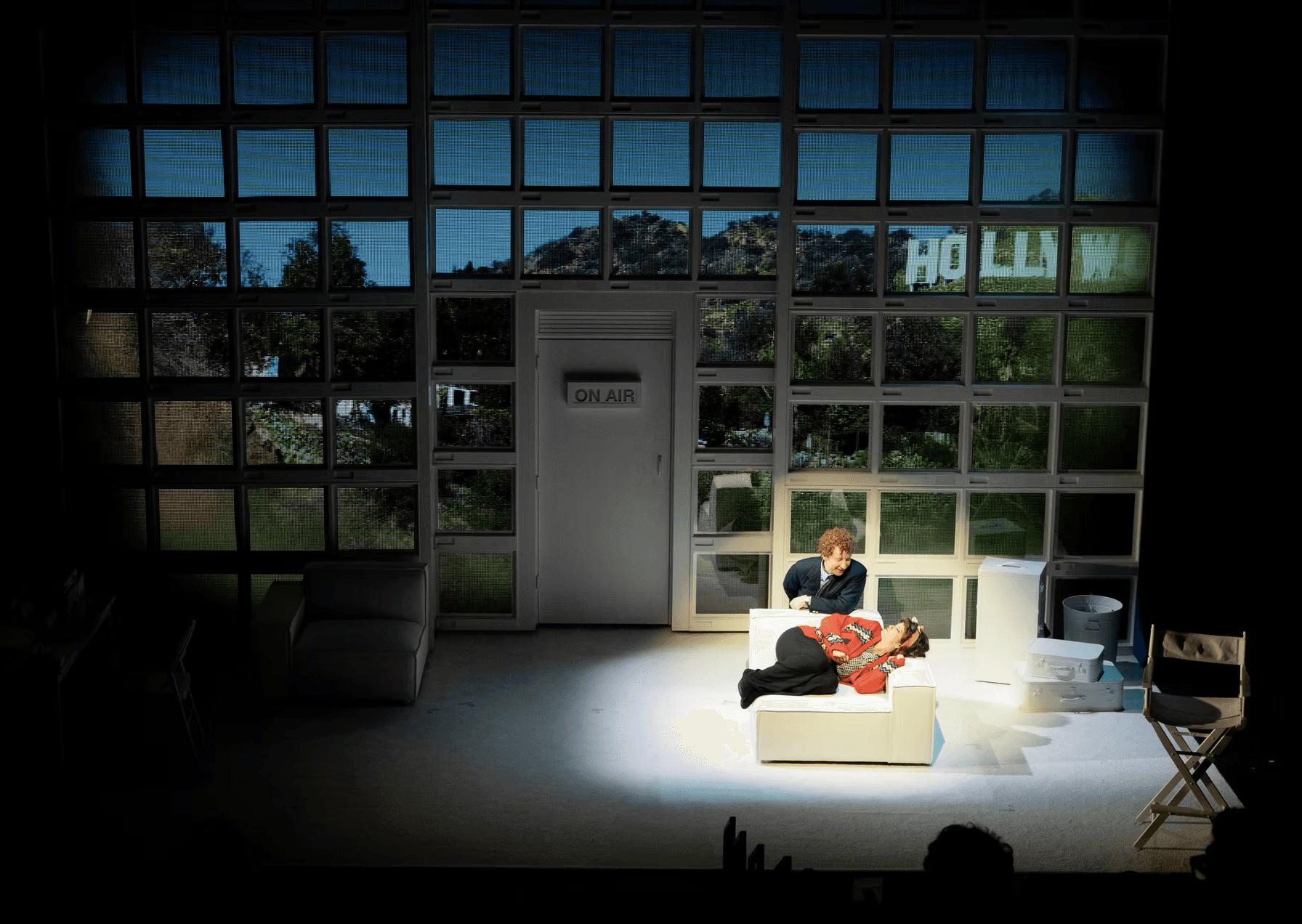
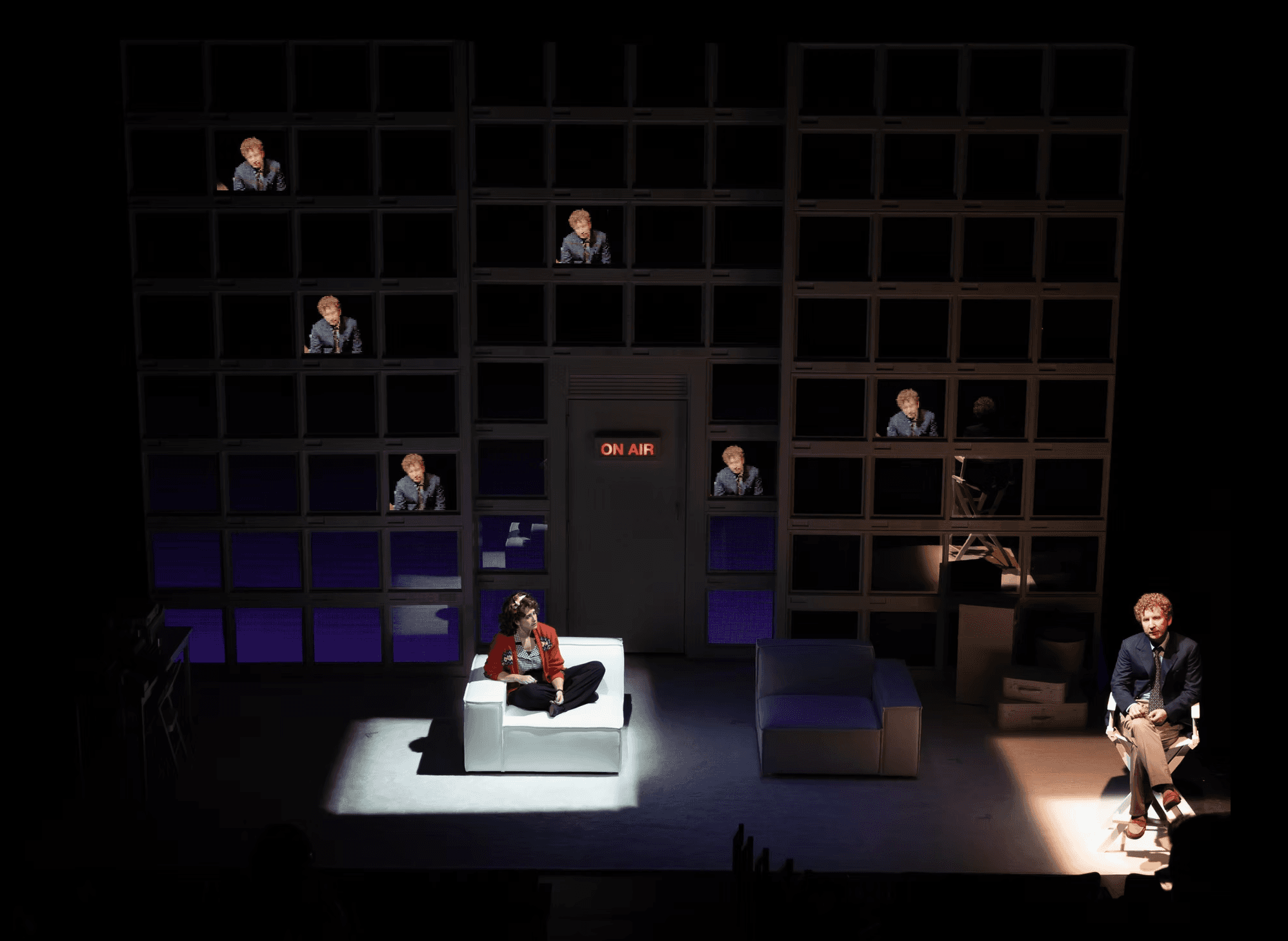
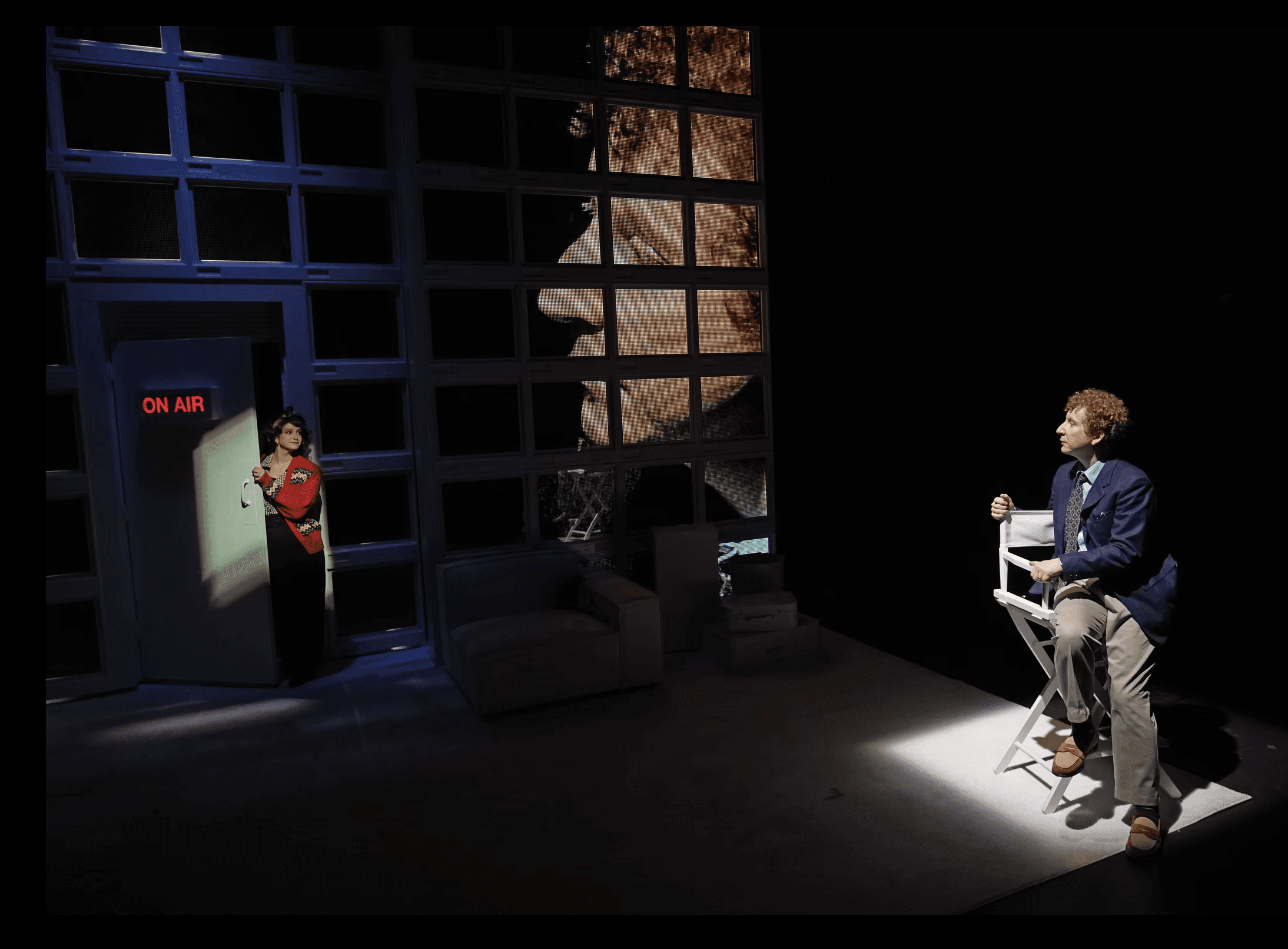
This design bridges the frame of a live interview with Gene Wilder and the vivid, internal world of his memories. Using live video capture and a grid of monitors, the set becomes both a literal and emotional canvas for two iconic personalities—reflecting how memory and media intertwine. As past and present overlap, the design invites the audience into the shared space where imagination and recollection blur.
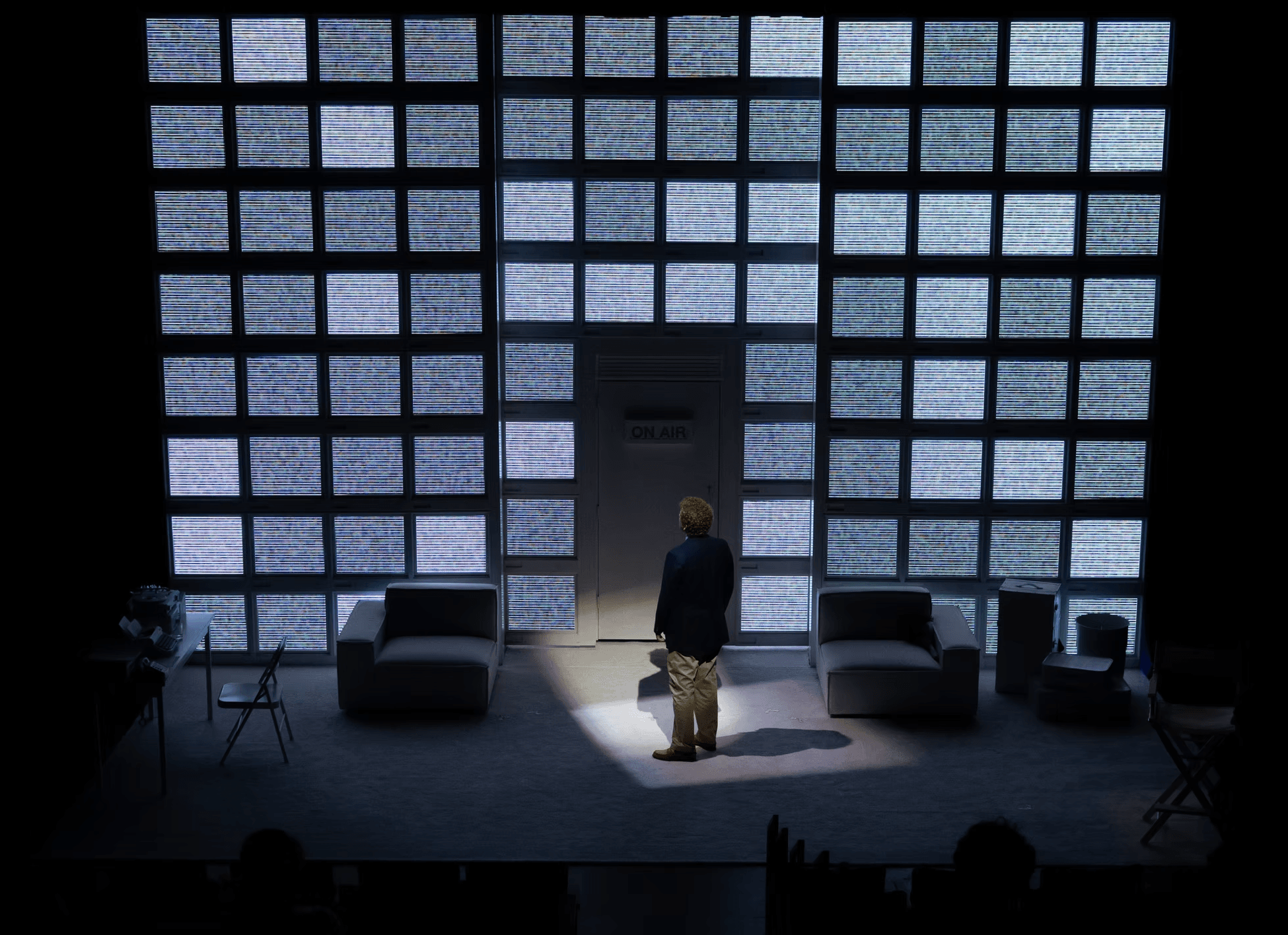
"Set designer Christian Fleming fills the stage with TV monitors and uses tiny cameras to put these familiar faces in the medium where we know them, effectively telling a story we largely don't." - Theatrenews
Lighting Design | José Santiago, Media Design | Brian Pacelli, Costume Design | Gregory Gale, Sound Design | Max Silverman, Prop Design | Robert Lavango
Gene & Gilda
,
59e59 (Off-Broadway)
,
Joe Brancato, dir.
This design bridges the frame of a live interview with Gene Wilder and the vivid, internal world of his memories. Using live video capture and a grid of monitors, the set becomes both a literal and emotional canvas for two iconic personalities—reflecting how memory and media intertwine. As past and present overlap, the design invites the audience into the shared space where imagination and recollection blur.
"Set designer Christian Fleming fills the stage with TV monitors and uses tiny cameras to put these familiar faces in the medium where we know them, effectively telling a story we largely don't." - Theatrenews
Lighting Design | José Santiago, Media Design | Brian Pacelli, Costume Design | Gregory Gale, Sound Design | Max Silverman, Prop Design | Robert Lavango
Carousel
,
The REV
,
Brett Smock, dir.

"Christian Fleming has created an onstage circular platform with posts resembling the supports of a pier where most of the action takes place. Upstage, a cyclorama, a scenic curtain, parts in the center to reveal the 16-piece orchestra on an upper level. The effect is both sumptuous and spare.The approach makes this “Carousel” more presentational than usual. This time around, we aren’t watching a sentimentalized slice of Maine life separated from us by the fourth wall. We’re reminded that we are attending a performance."


Carousel
,
The REV
,
Brett Smock, dir.
"Christian Fleming has created an onstage circular platform with posts resembling the supports of a pier where most of the action takes place. Upstage, a cyclorama, a scenic curtain, parts in the center to reveal the 16-piece orchestra on an upper level. The effect is both sumptuous and spare.The approach makes this “Carousel” more presentational than usual. This time around, we aren’t watching a sentimentalized slice of Maine life separated from us by the fourth wall. We’re reminded that we are attending a performance."
Afterwards
,
Pittsburgh Opera
,
David Paul, dir.
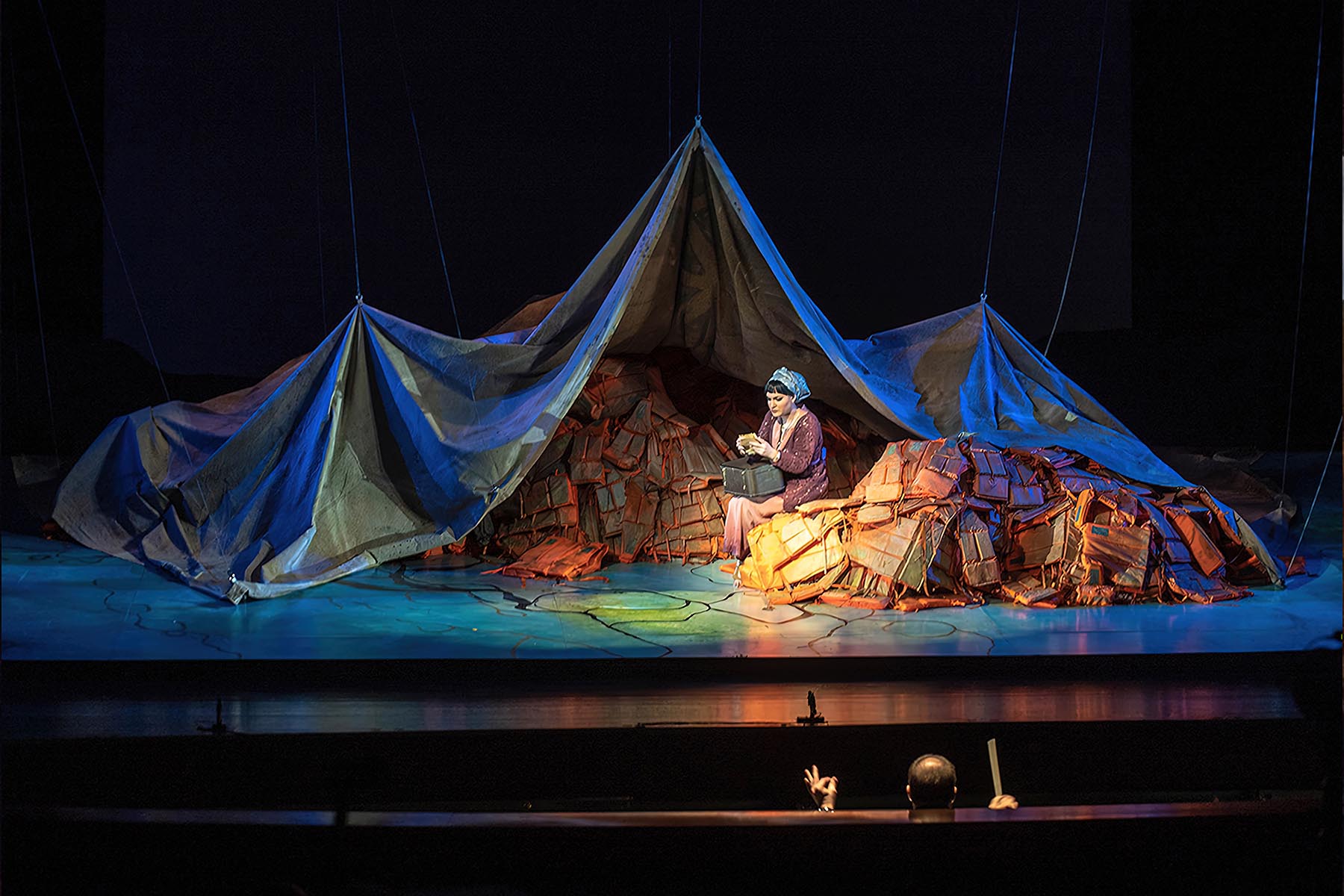
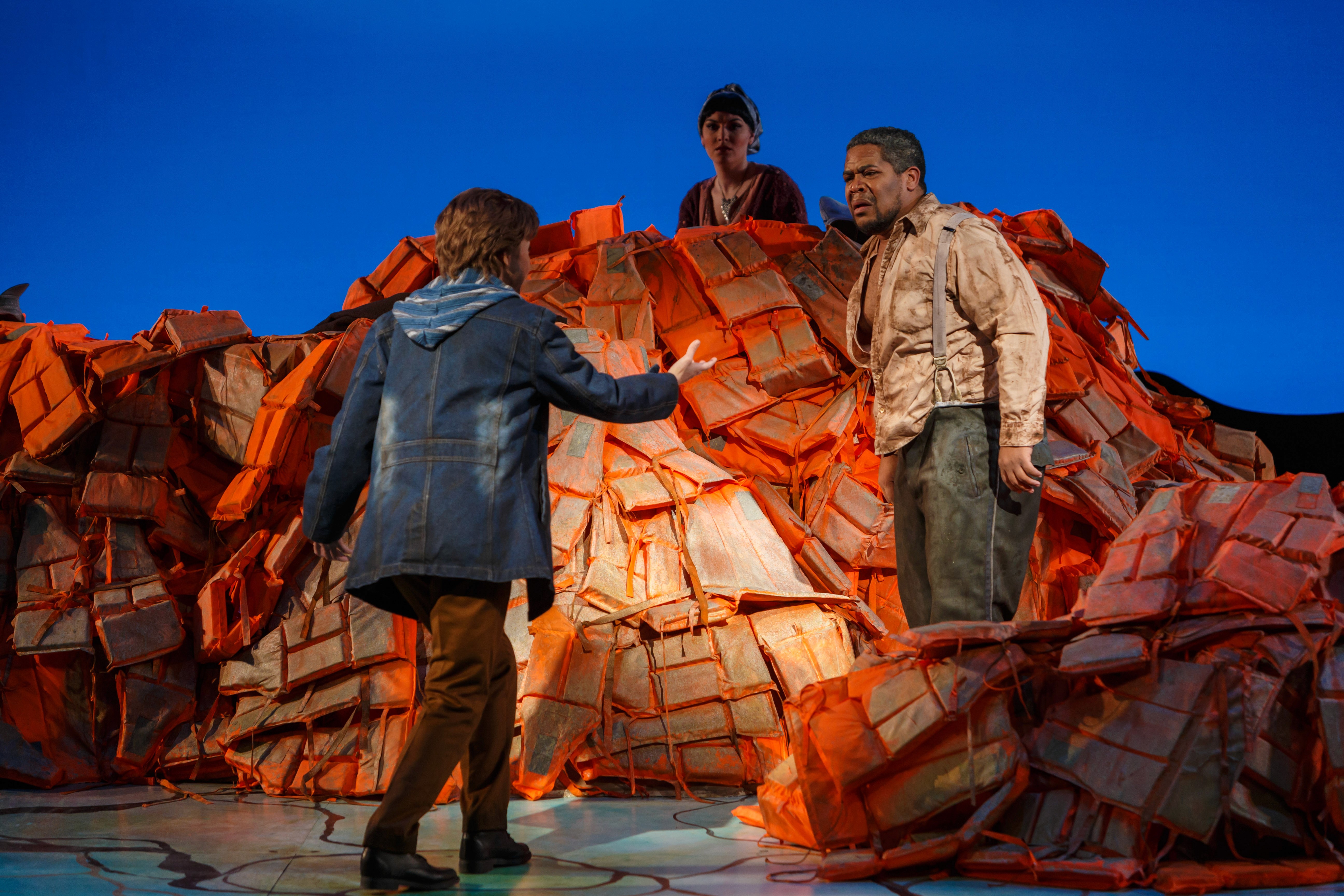
“Afterwards” stripped down Mozart’s “Idomeneo” to focus on the psychological ramifications of war trauma and shed light on our current refugee crises. The design featured the island of Crete engulfed by abandoned refugee lifejackets as a modern symbol the often ignored aftereffect of war contrasted by the archaic mechanism of war, the sail of a Trojan warship, looming overhead.
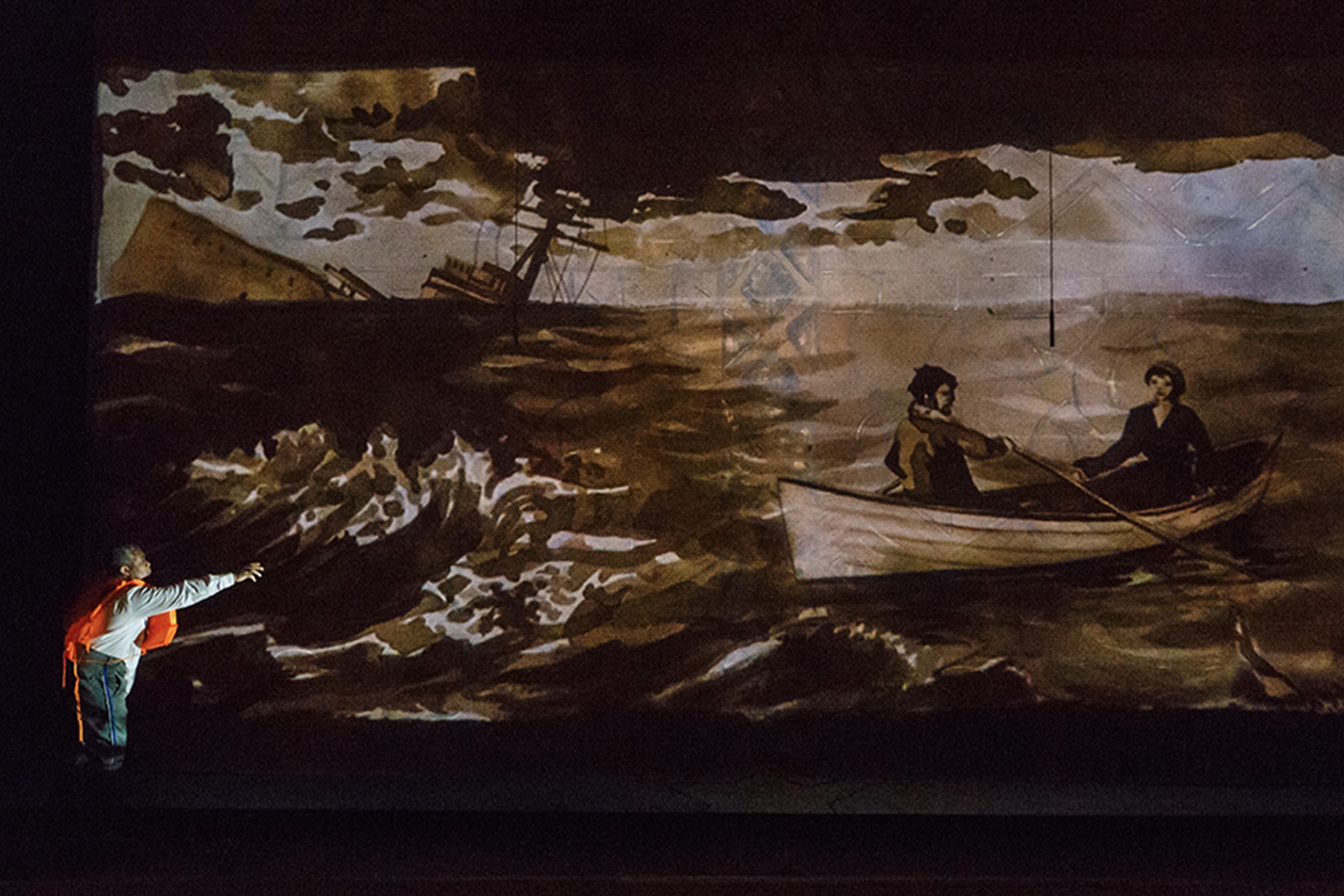
“The production’s design, centered on an island of abandoned lifejackets beneath a contorting warship sail...a technical feat.” — Pittsburgh Post Gazette

Afterwards
,
Pittsburgh Opera
,
David Paul, dir.
“Afterwards” stripped down Mozart’s “Idomeneo” to focus on the psychological ramifications of war trauma and shed light on our current refugee crises. The design featured the island of Crete engulfed by abandoned refugee lifejackets as a modern symbol the often ignored aftereffect of war contrasted by the archaic mechanism of war, the sail of a Trojan warship, looming overhead.
“The production’s design, centered on an island of abandoned lifejackets beneath a contorting warship sail...a technical feat.” — Pittsburgh Post Gazette
Ascend
,
Pittsburgh Playhouse
,
Kiesha Lalama, dir.
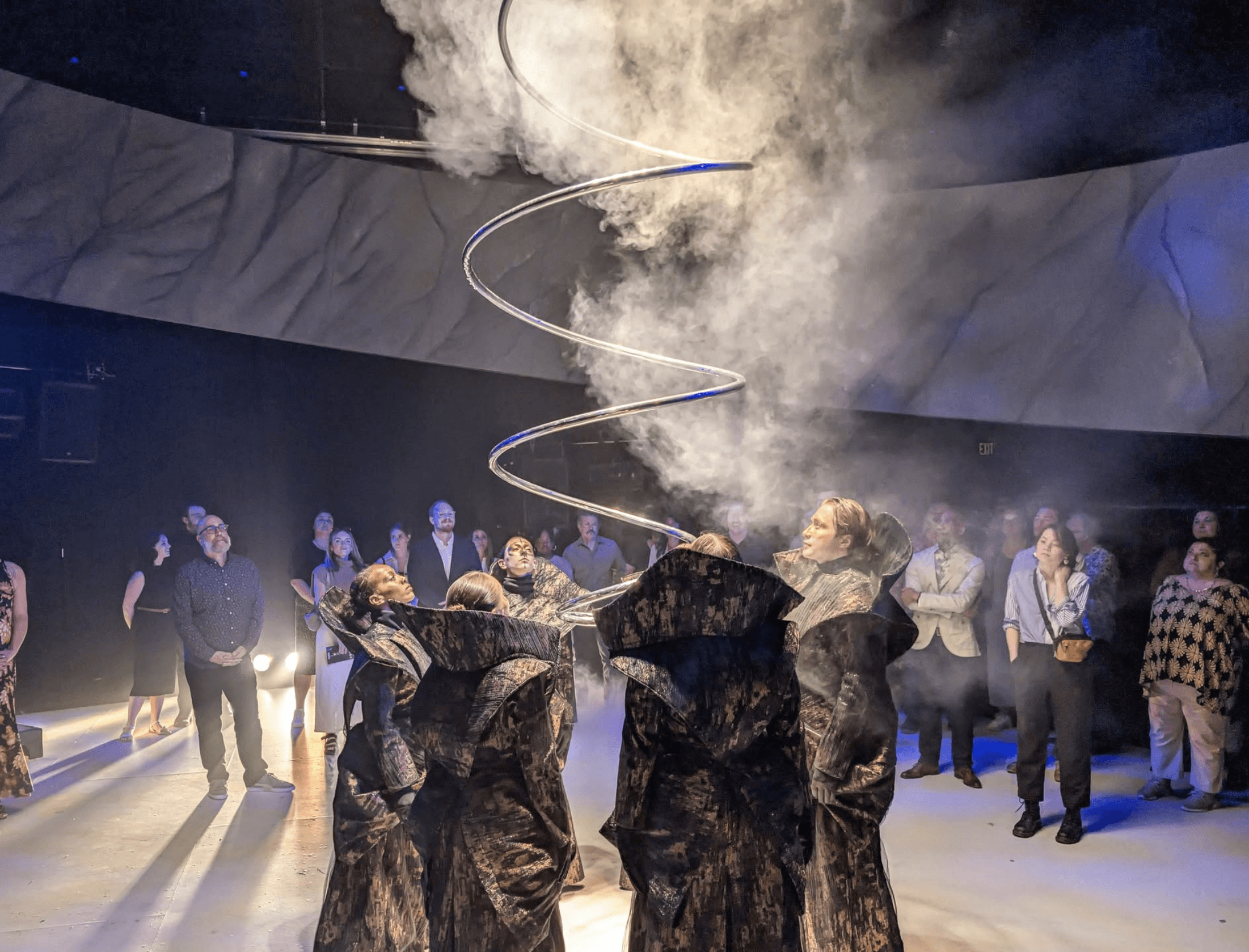
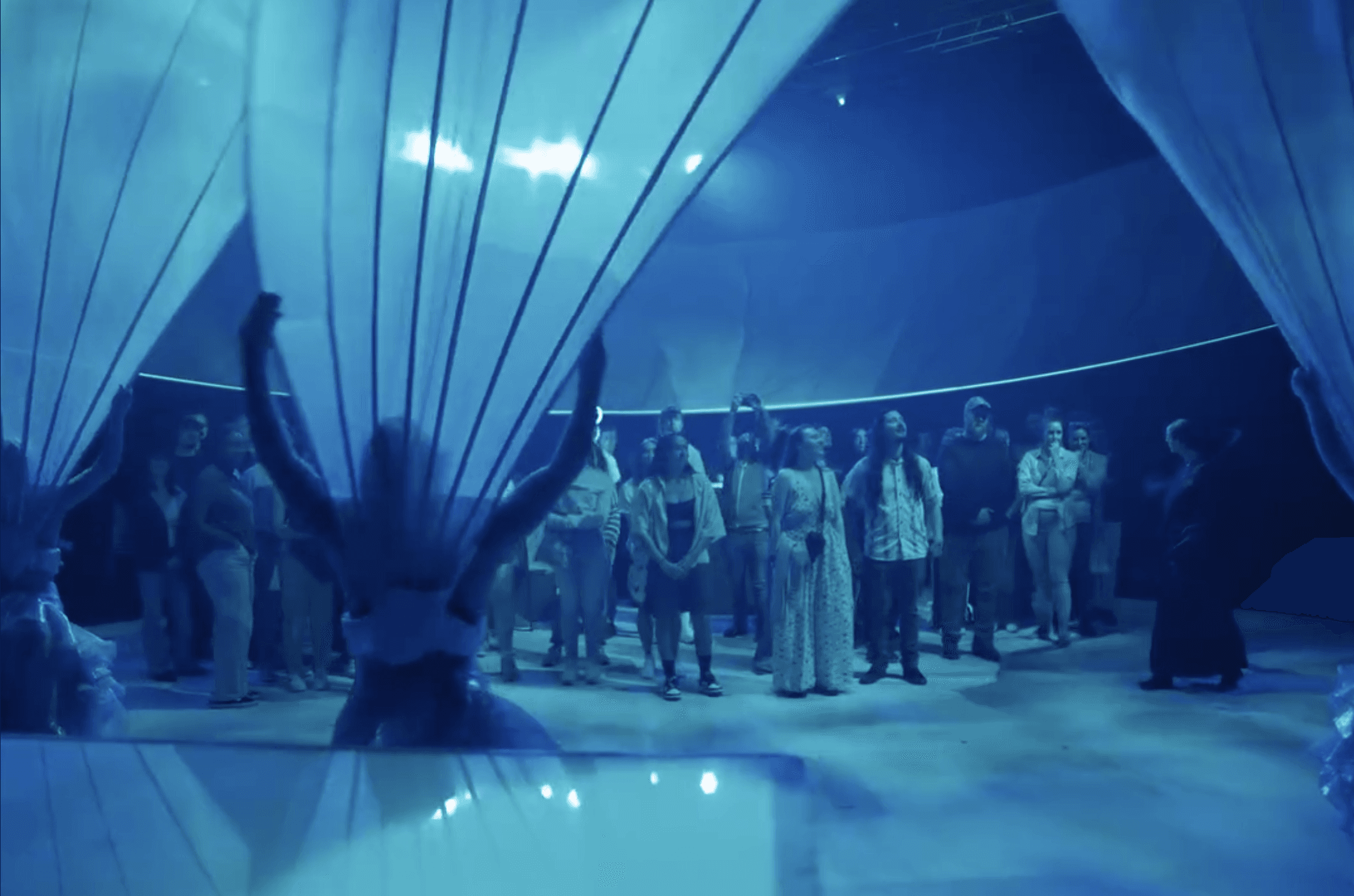
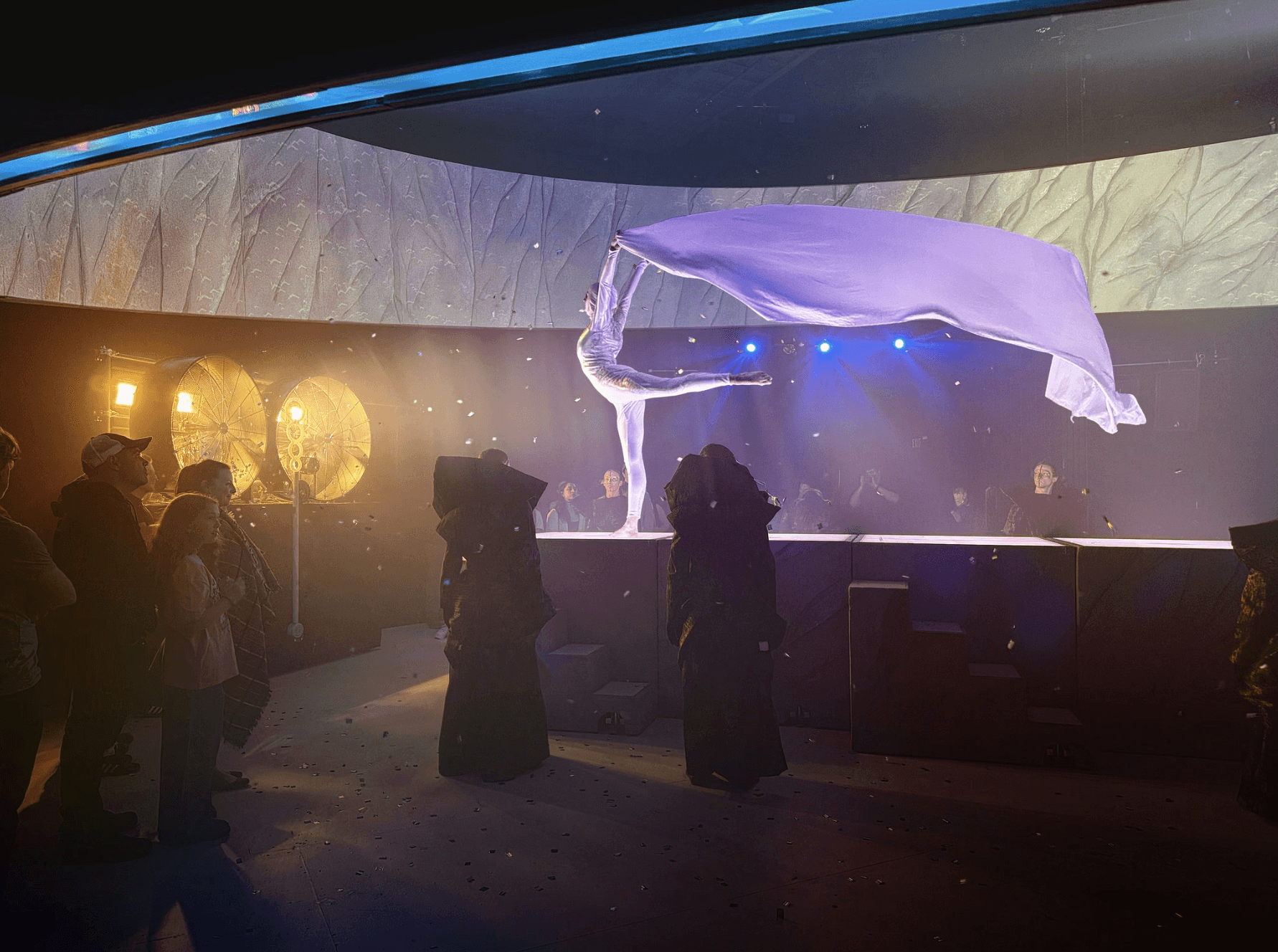
Ascend grounded itself on creating experiential theater for Pittsburgh audiences. Centered on a circle with a tilted monumental stone ring hovering above, the design focused on ritual and our connection to the natural elements. Audiences were guided by dancers which allowed for the relationship to the performance to shift from viewer to participant.
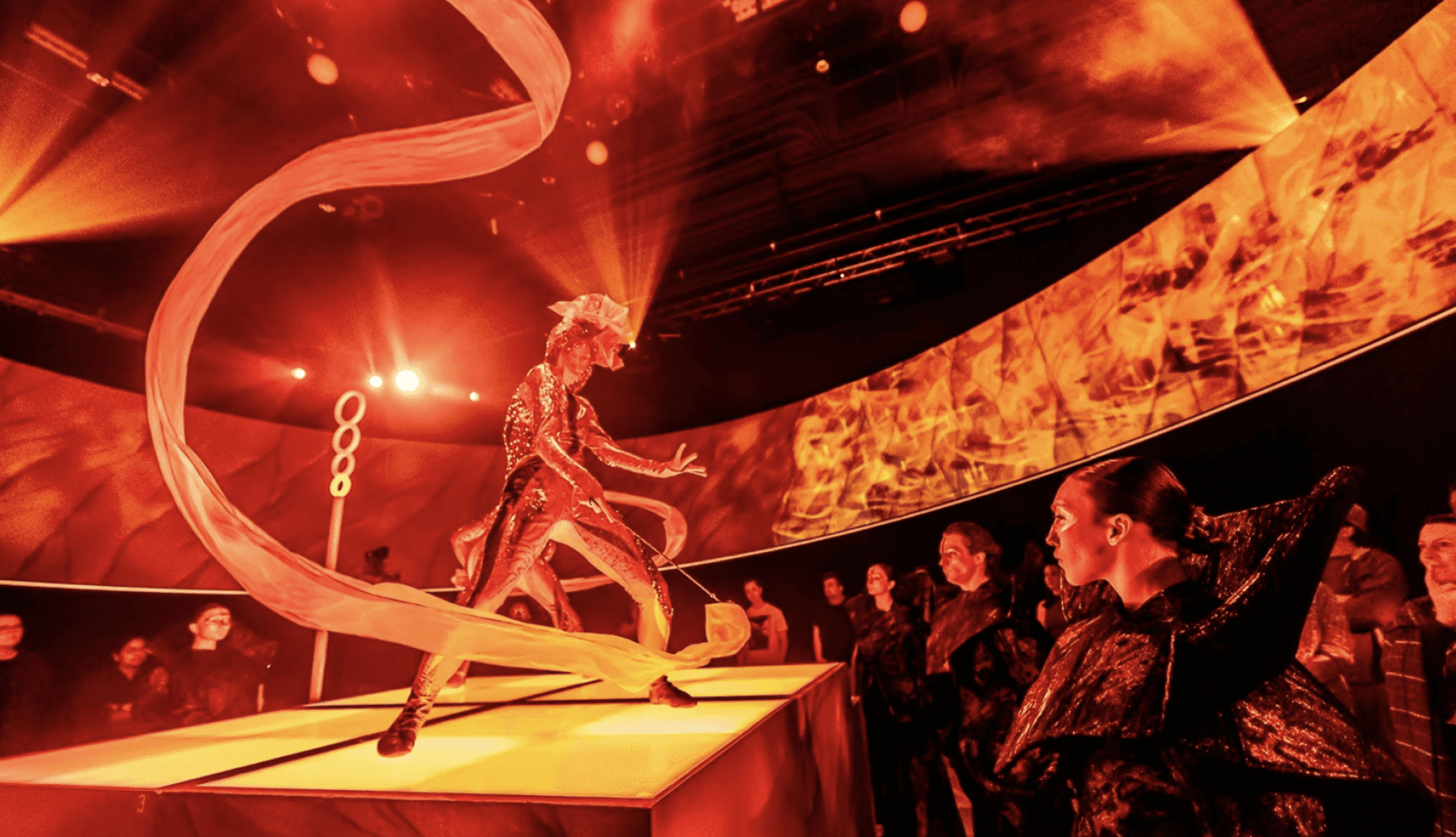
"Audiences experience the 360-degree entertainment – including other-worldly dancers, drummers, magical creatures and an ethereal acrobat within a moving spiral – while standing in the center of a set designed by Christian Fleming" - Onstage Pittsburgh
Ascend
,
Pittsburgh Playhouse
,
Kiesha Lalama, dir.
Ascend grounded itself on creating experiential theater for Pittsburgh audiences. Centered on a circle with a tilted monumental stone ring hovering above, the design focused on ritual and our connection to the natural elements. Audiences were guided by dancers which allowed for the relationship to the performance to shift from viewer to participant.
"Audiences experience the 360-degree entertainment – including other-worldly dancers, drummers, magical creatures and an ethereal acrobat within a moving spiral – while standing in the center of a set designed by Christian Fleming" - Onstage Pittsburgh
The Bridges of Madison County
,
Timber Lake Playhouse
,
Christian Fleming, dir.
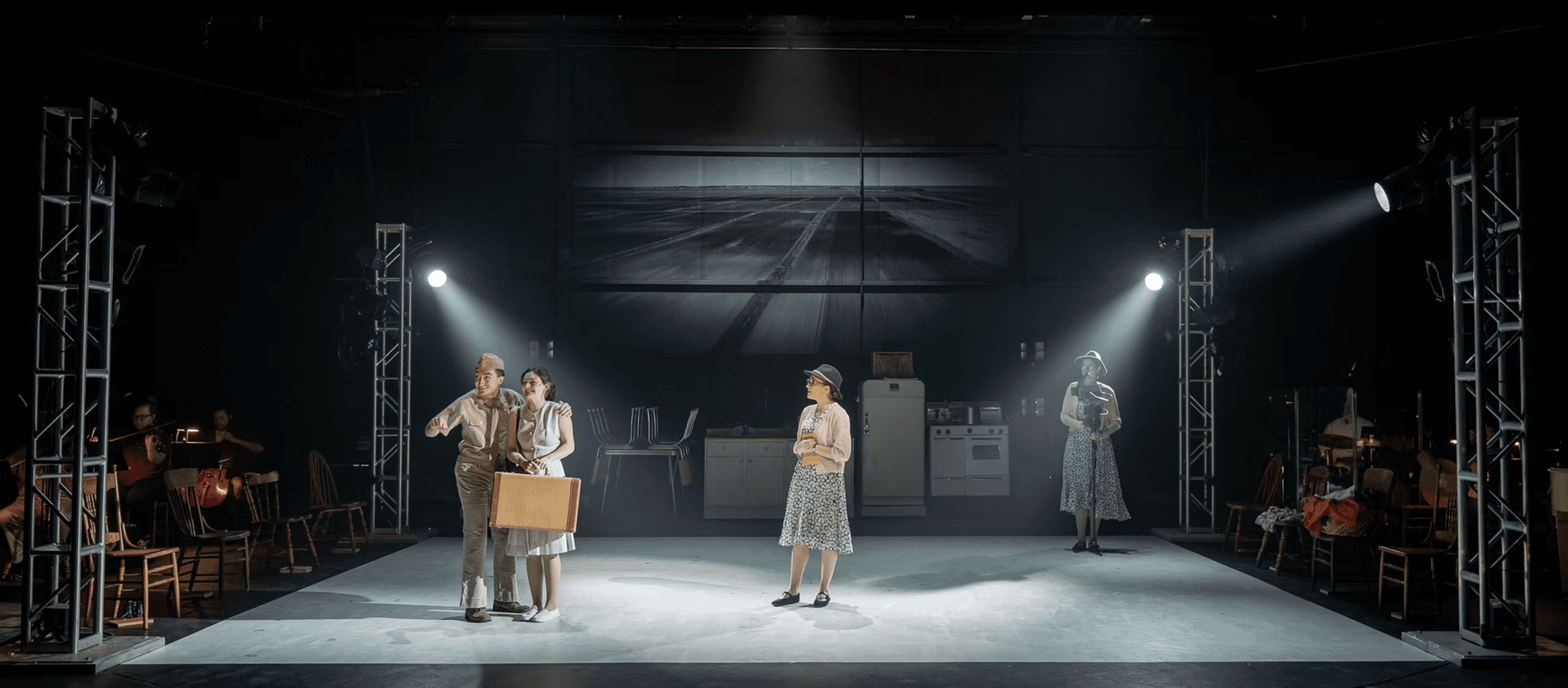
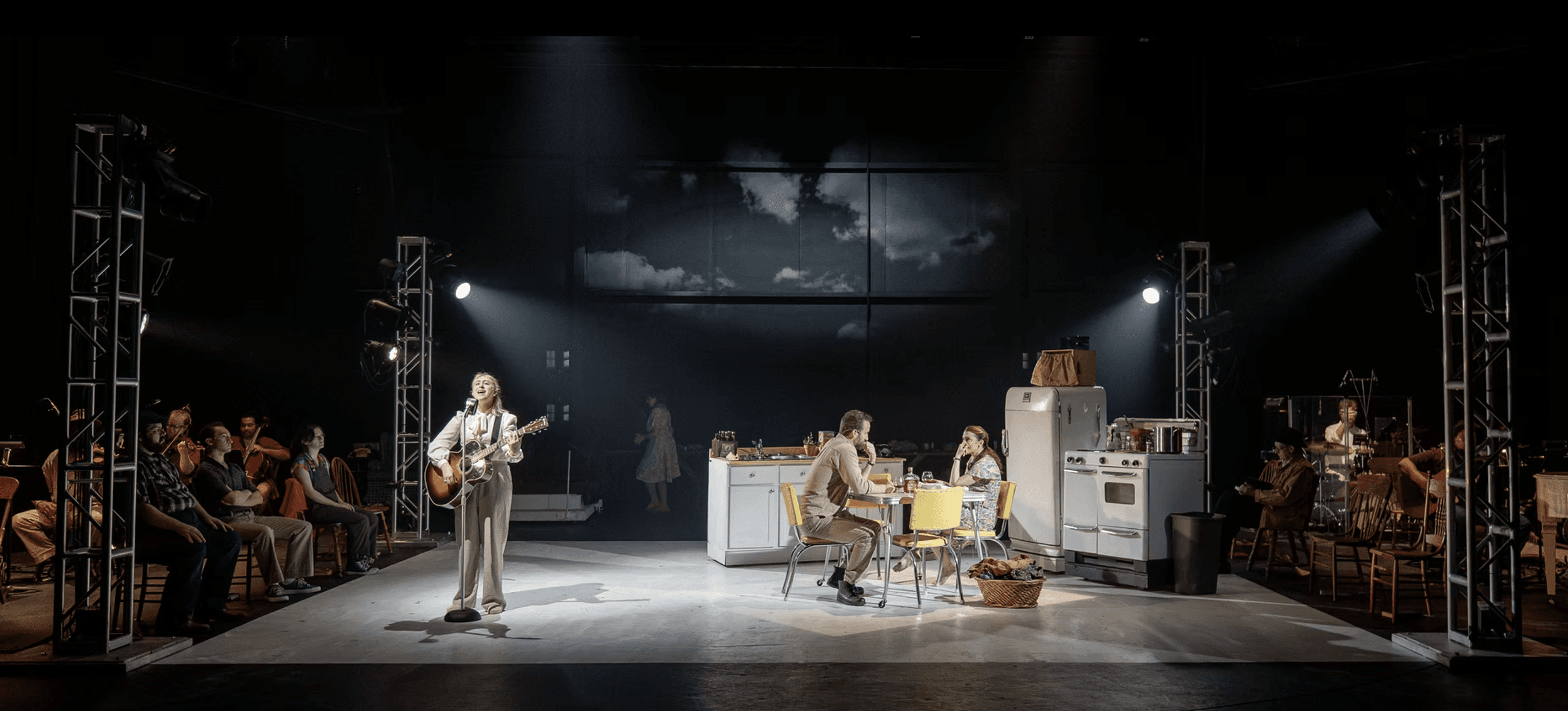
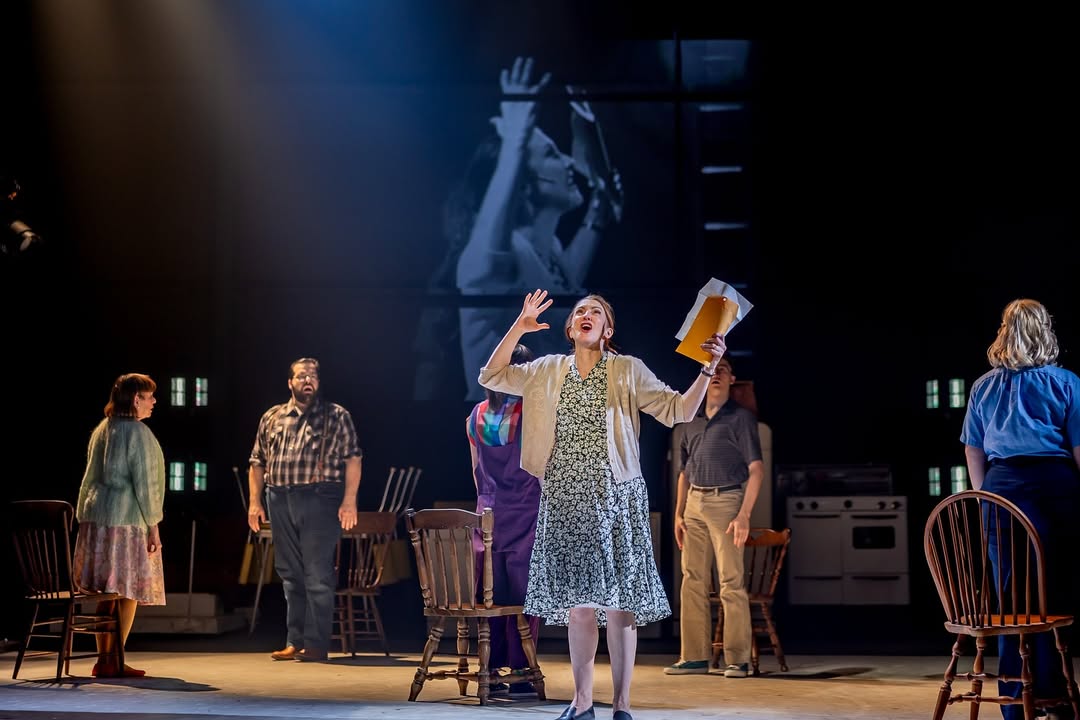
The Bridges of Madison County is, on its surface, a story about a brief, passionate encounter between two strangers in rural Iowa, but underneath it’s a meditation on memory, self-discovery, and the transient nature of love. In this production, we approach the musical as a memory play: years later, Francesca opens an envelope, discovers Robert’s photograph, and the past floods back in fragments—music, images, voices, sensations. Live video and projected photography function as extensions of her memory, capturing fleeting details—a glance, a touch, a shared stillness—and inviting the audience to see not objective reality, but an emotionally heightened, remembered past. Francesca doesn’t relive her story to change it, but to feel it fully one last time and understand how a moment of passion transformed the way she navigates love, identity, and the choices that shaped her life.
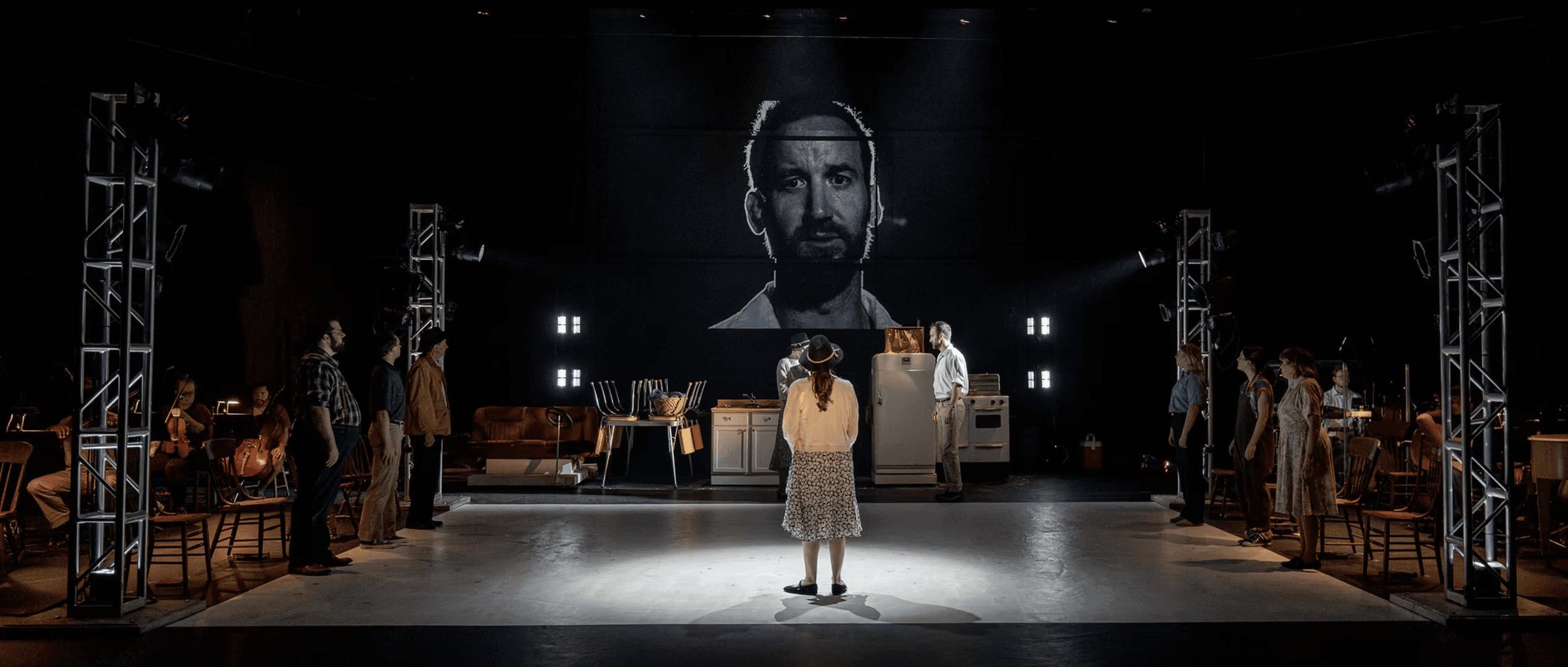
"The set and stage layout are remarkable: a rectangular playing space ringed with watching characters and waiting set pieces, with the kitchen—table, chairs, refrigerator and all—gliding in so smoothly, quickly, and almost magically that its arrival feels like a visual sleight of hand." - River Cities Reader
The Bridges of Madison County
,
Timber Lake Playhouse
,
Christian Fleming, dir.
The Bridges of Madison County is, on its surface, a story about a brief, passionate encounter between two strangers in rural Iowa, but underneath it’s a meditation on memory, self-discovery, and the transient nature of love. In this production, we approach the musical as a memory play: years later, Francesca opens an envelope, discovers Robert’s photograph, and the past floods back in fragments—music, images, voices, sensations. Live video and projected photography function as extensions of her memory, capturing fleeting details—a glance, a touch, a shared stillness—and inviting the audience to see not objective reality, but an emotionally heightened, remembered past. Francesca doesn’t relive her story to change it, but to feel it fully one last time and understand how a moment of passion transformed the way she navigates love, identity, and the choices that shaped her life.
"The set and stage layout are remarkable: a rectangular playing space ringed with watching characters and waiting set pieces, with the kitchen—table, chairs, refrigerator and all—gliding in so smoothly, quickly, and almost magically that its arrival feels like a visual sleight of hand." - River Cities Reader
Little Shop of Horrors
,
Pittsburgh Playhouse
,
Michael Campayno, dir.
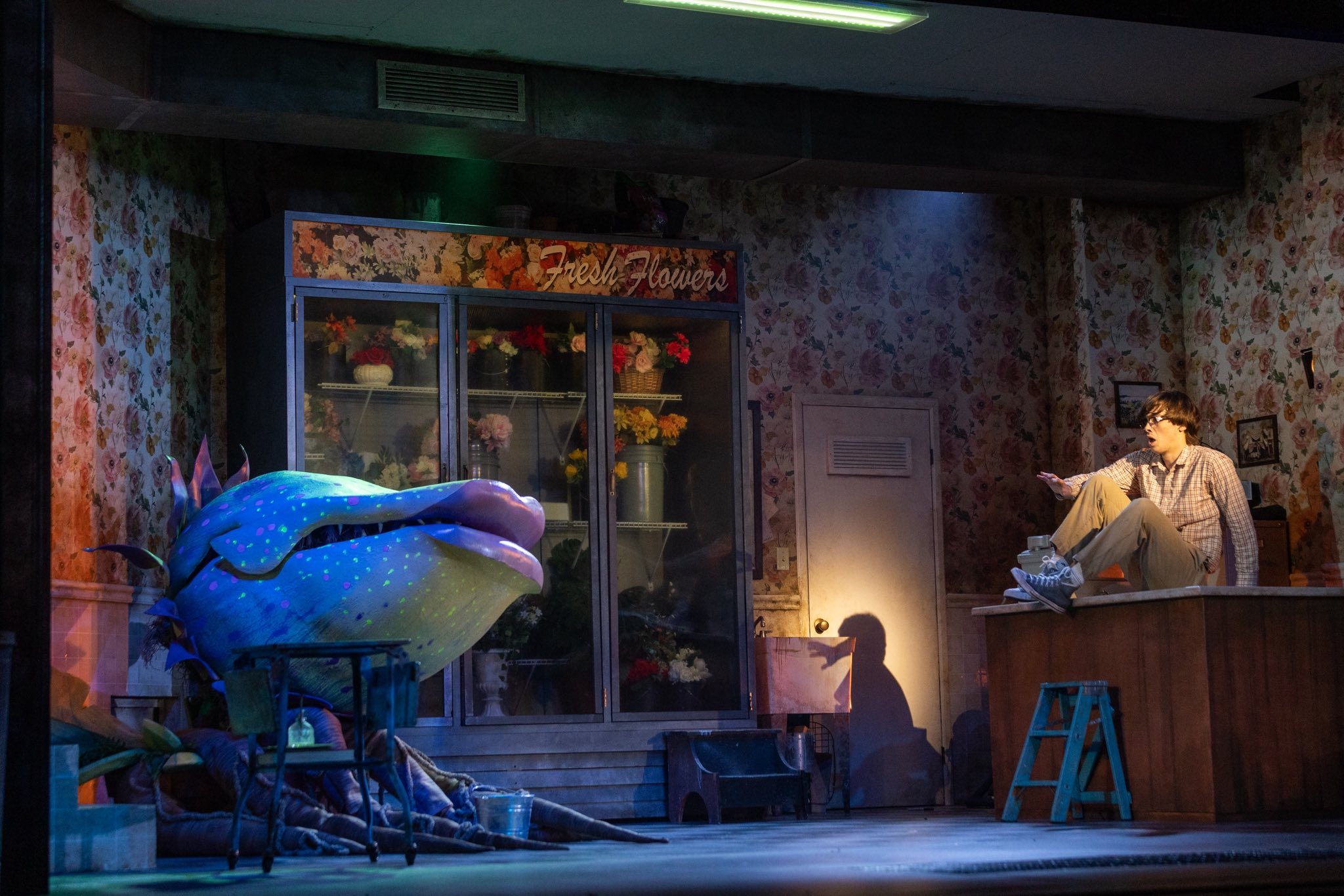
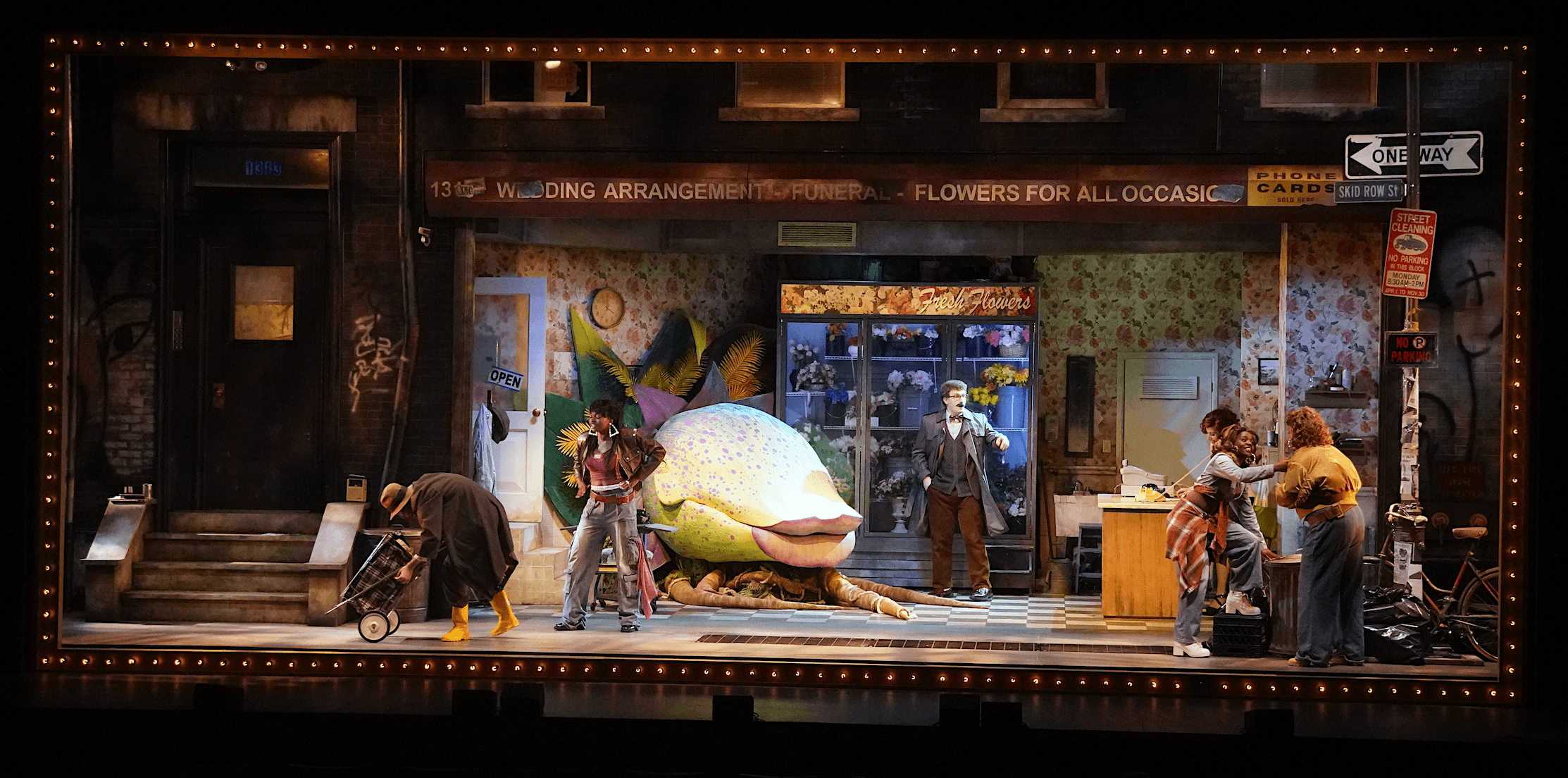
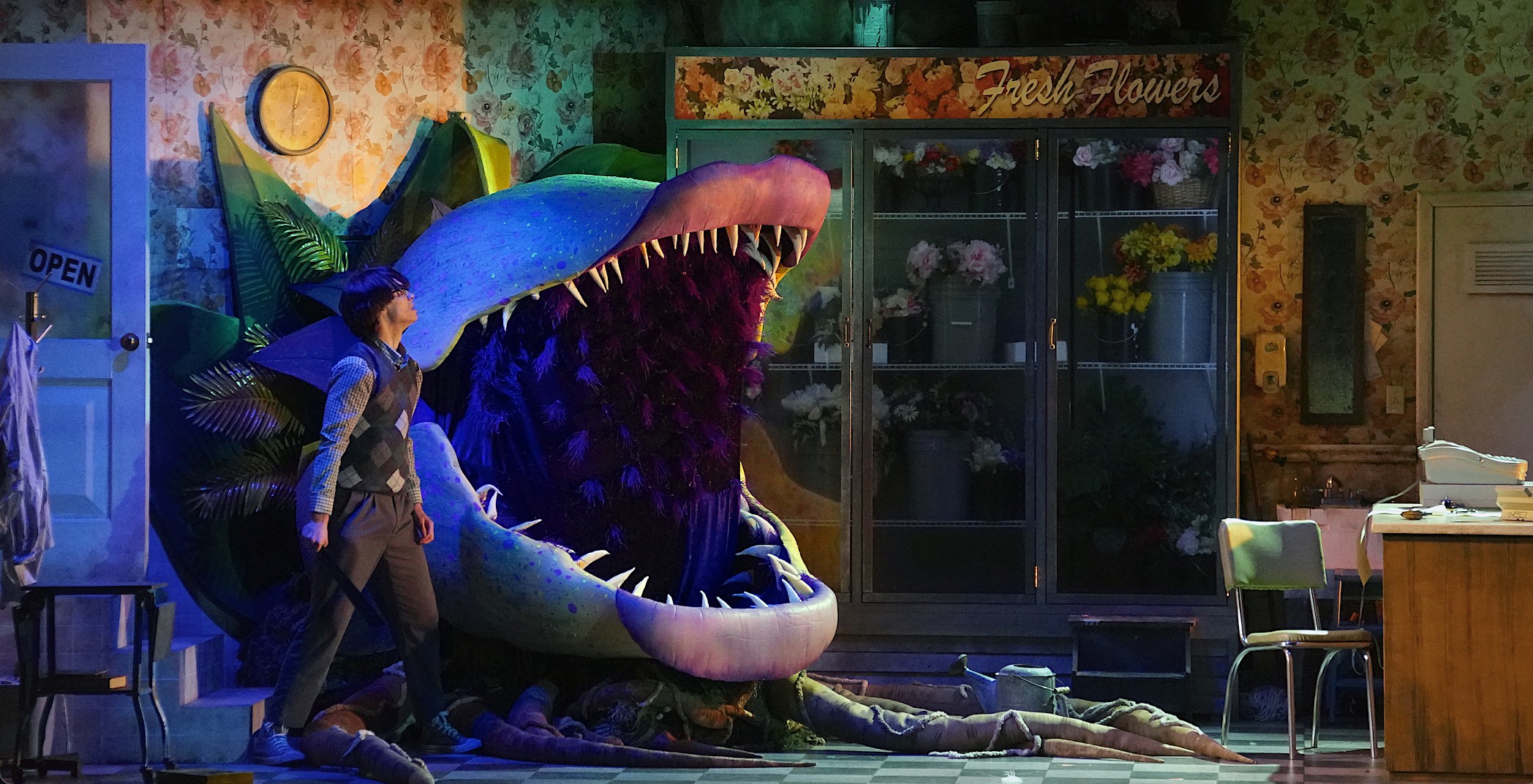
Little Shop of Horrors
,
Pittsburgh Playhouse
,
Michael Campayno, dir.
Into the Woods
,
Yale University
,
Ryan Dobrin, dir.
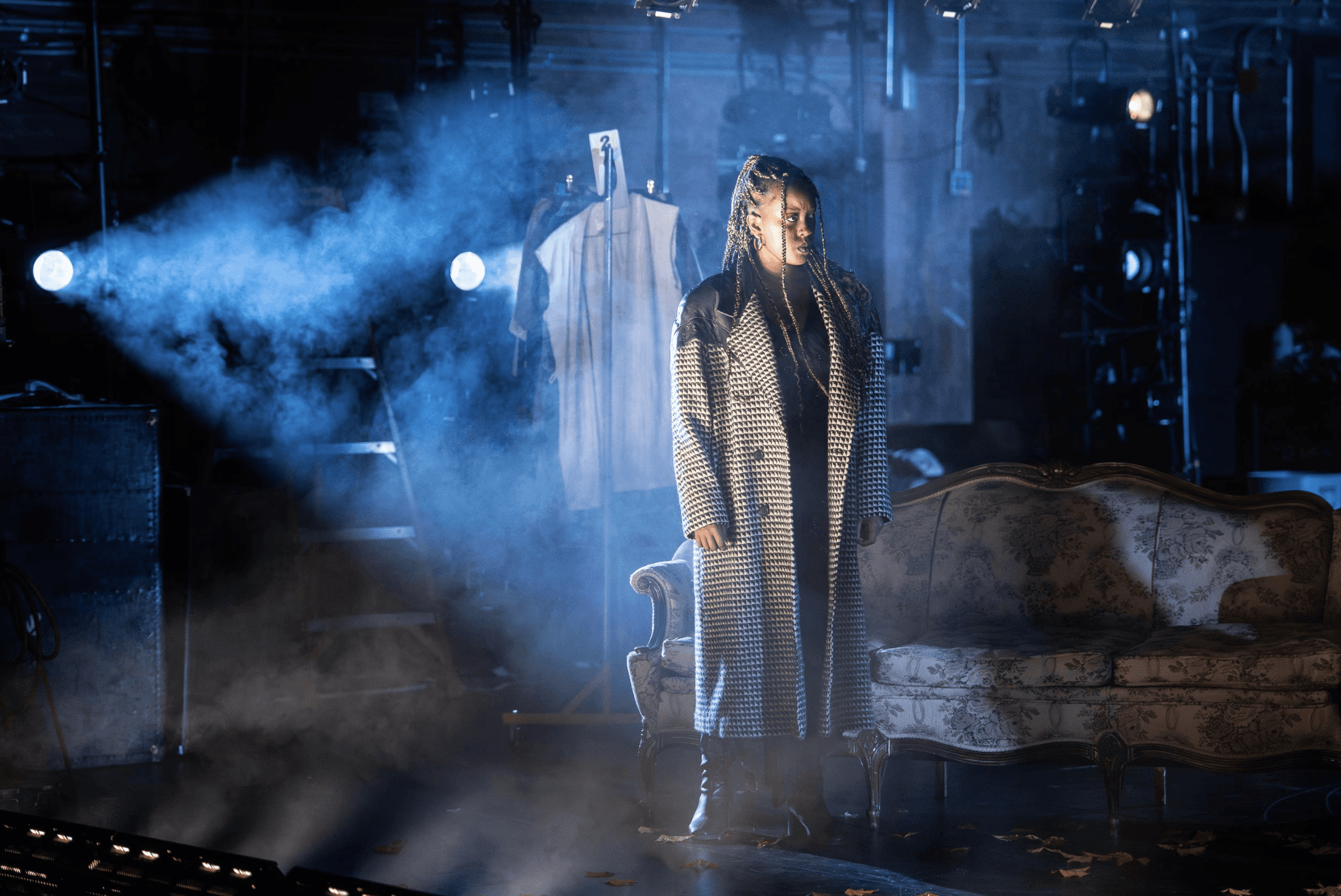
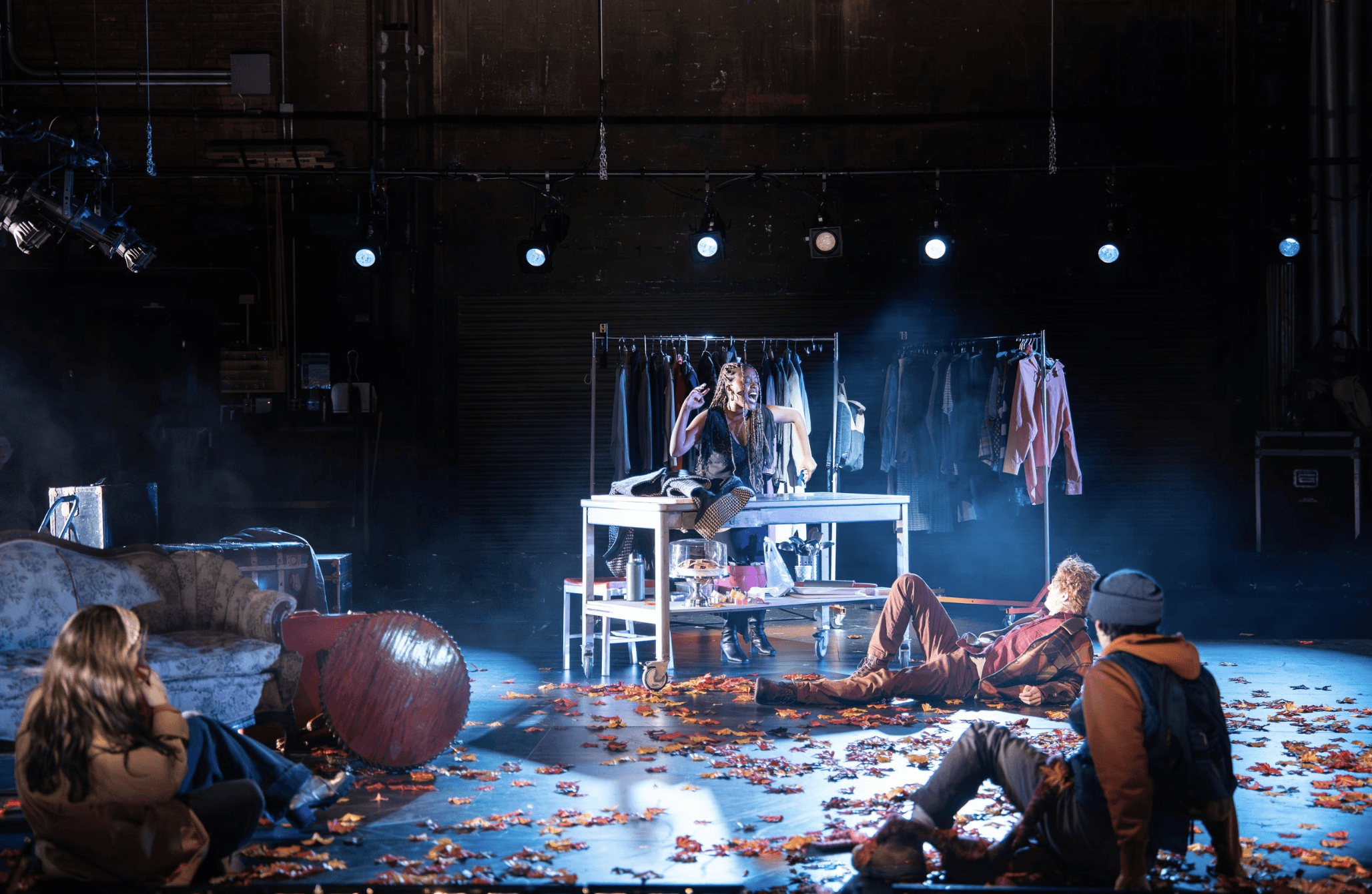
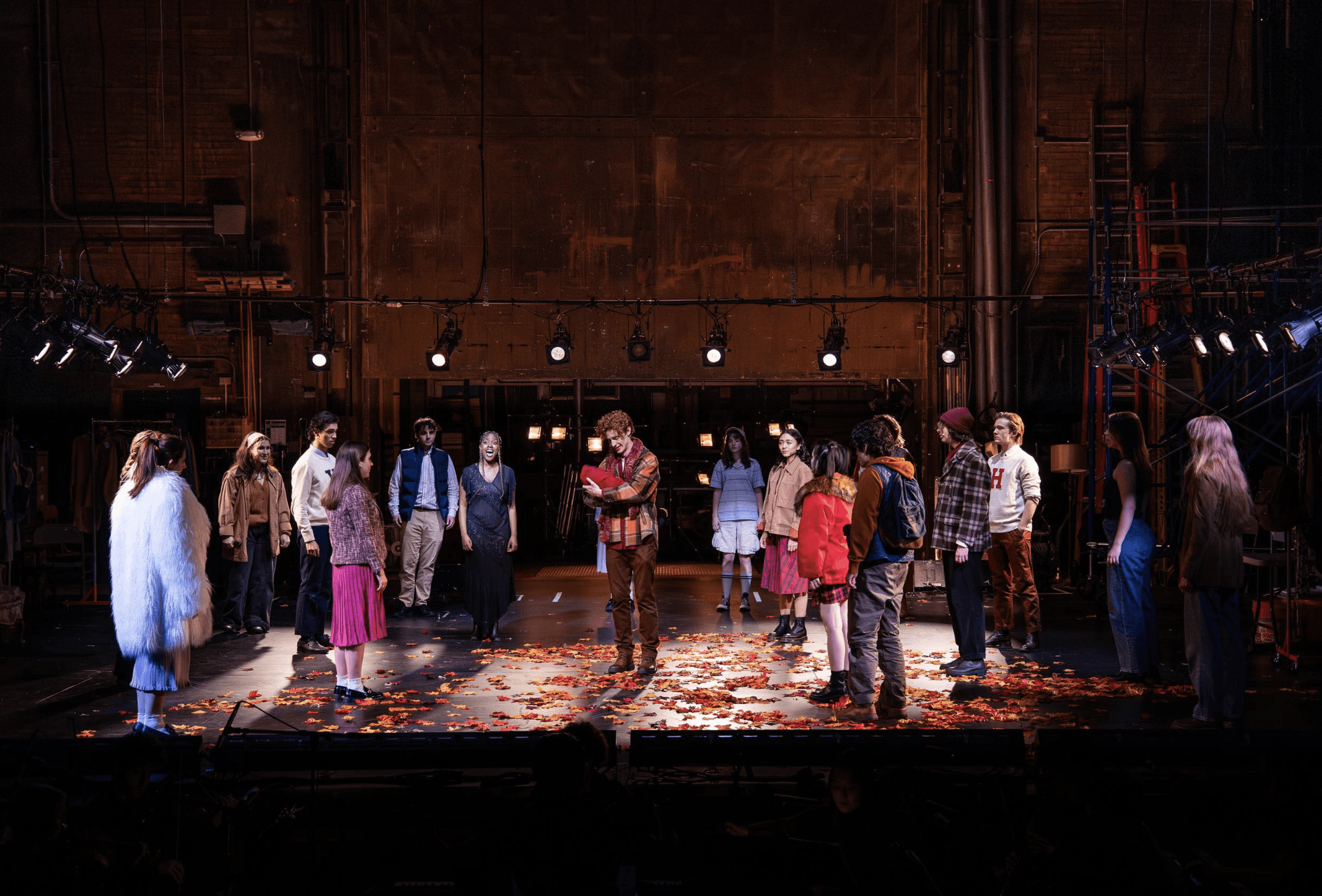
This design for “Into the Woods” stripped away the usual artifice associated with production, the design refocused attention on the characters as they navigate their desires and consequences, emphasizing the interplay between reality and fantasy. This approach not only enriched the narrative but also encouraged viewers to reflect on the power of theater to reshape perceptions and illuminated the complexities of the human experience.
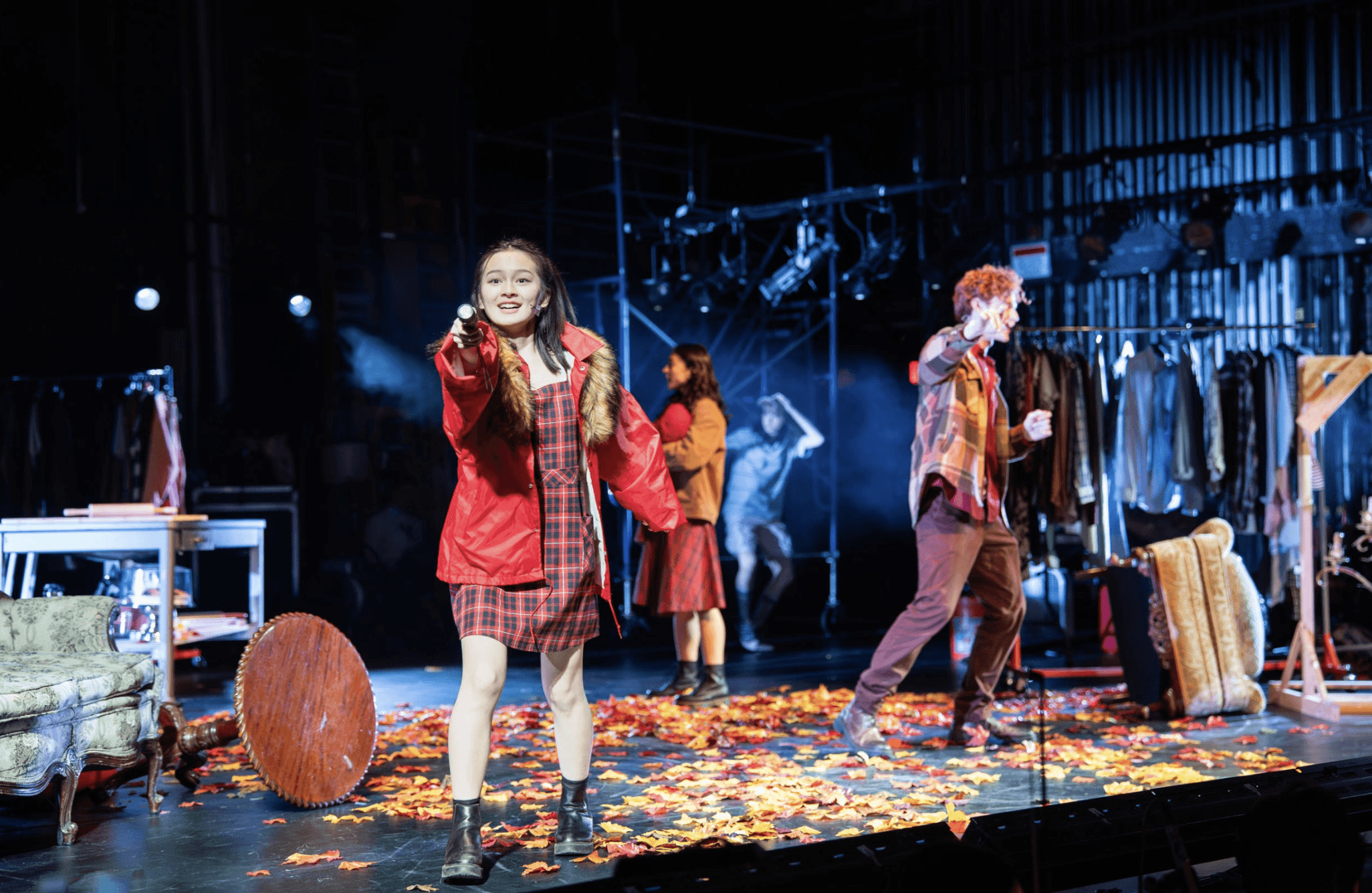
"This new design reminisced Sondheim’s charm and wit, creating space for comedic moments to underscore the sometimes heavy themes" - Yale Daily News
Into the Woods
,
Yale University
,
Ryan Dobrin, dir.
This design for “Into the Woods” stripped away the usual artifice associated with production, the design refocused attention on the characters as they navigate their desires and consequences, emphasizing the interplay between reality and fantasy. This approach not only enriched the narrative but also encouraged viewers to reflect on the power of theater to reshape perceptions and illuminated the complexities of the human experience.
"This new design reminisced Sondheim’s charm and wit, creating space for comedic moments to underscore the sometimes heavy themes" - Yale Daily News
The Sound of Music
,
Riverside Center
,
Patrick A'hearn
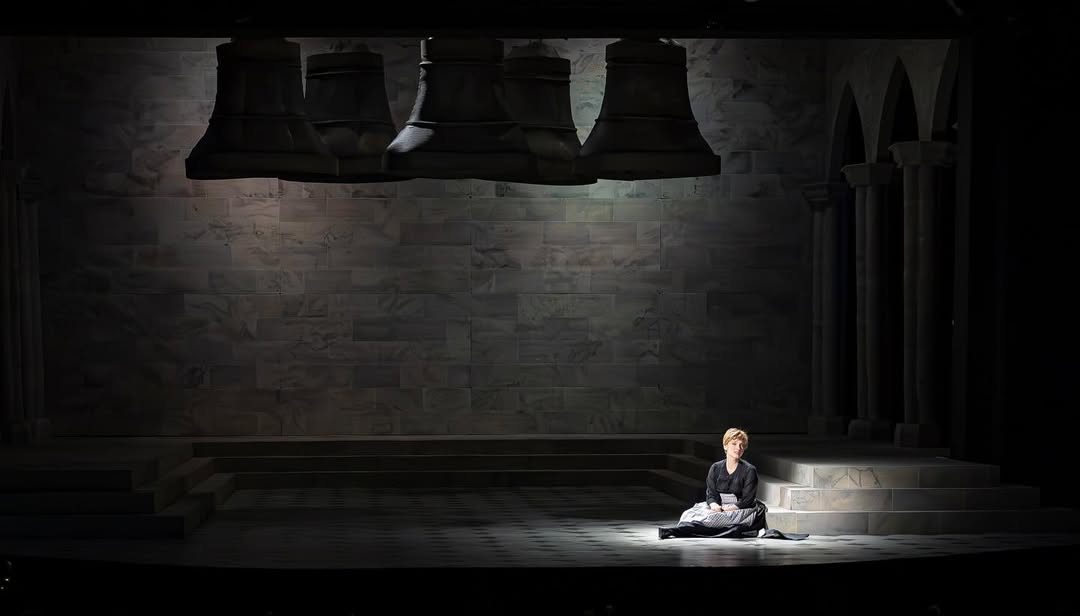
"The Sound of Music looks newly minted, with a painterly design that stays intimate even with a stage that evokes an operatic scale." - DC Theater Arts
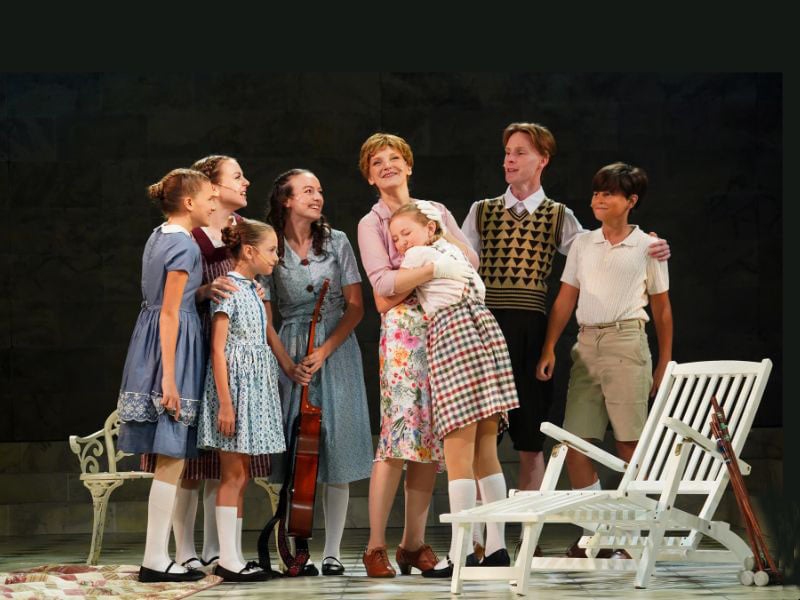

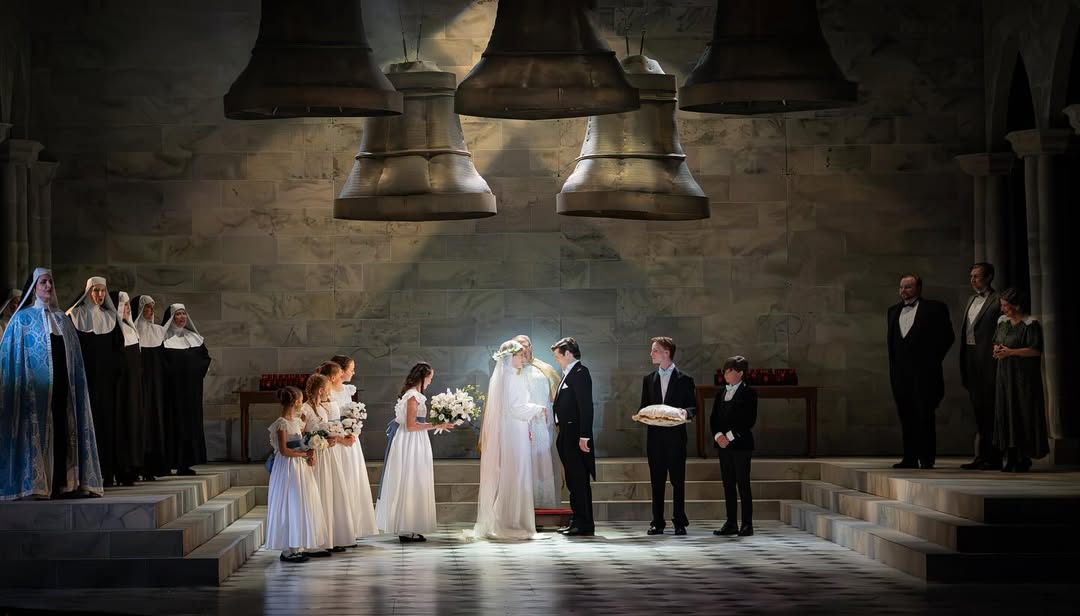
The Sound of Music
,
Riverside Center
,
Patrick A'hearn
"The Sound of Music looks newly minted, with a painterly design that stays intimate even with a stage that evokes an operatic scale." - DC Theater Arts
Incident at Our Lady of Perpetual Help
,
Penguin Rep
,
Tom Caruso, dir.
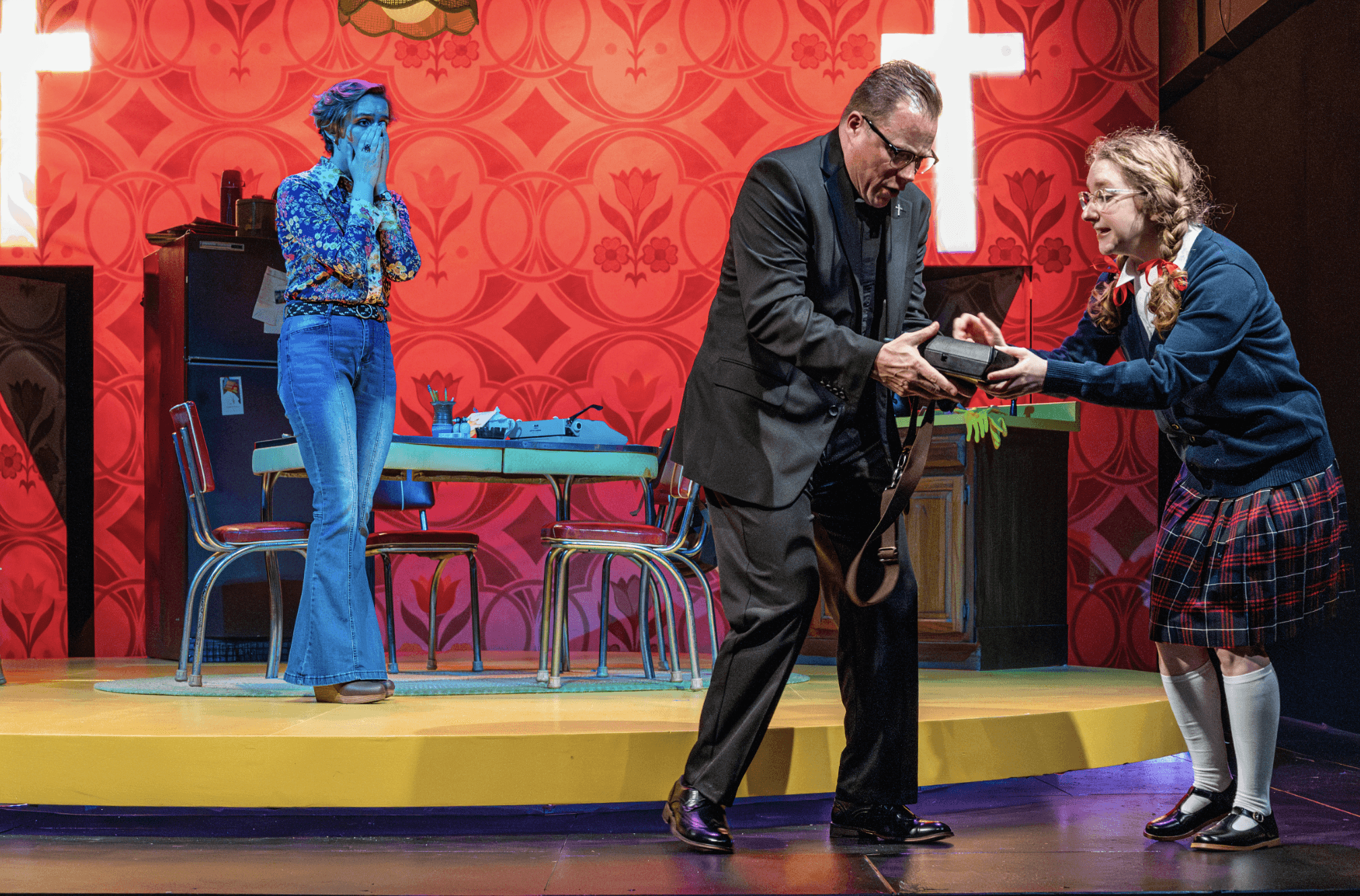
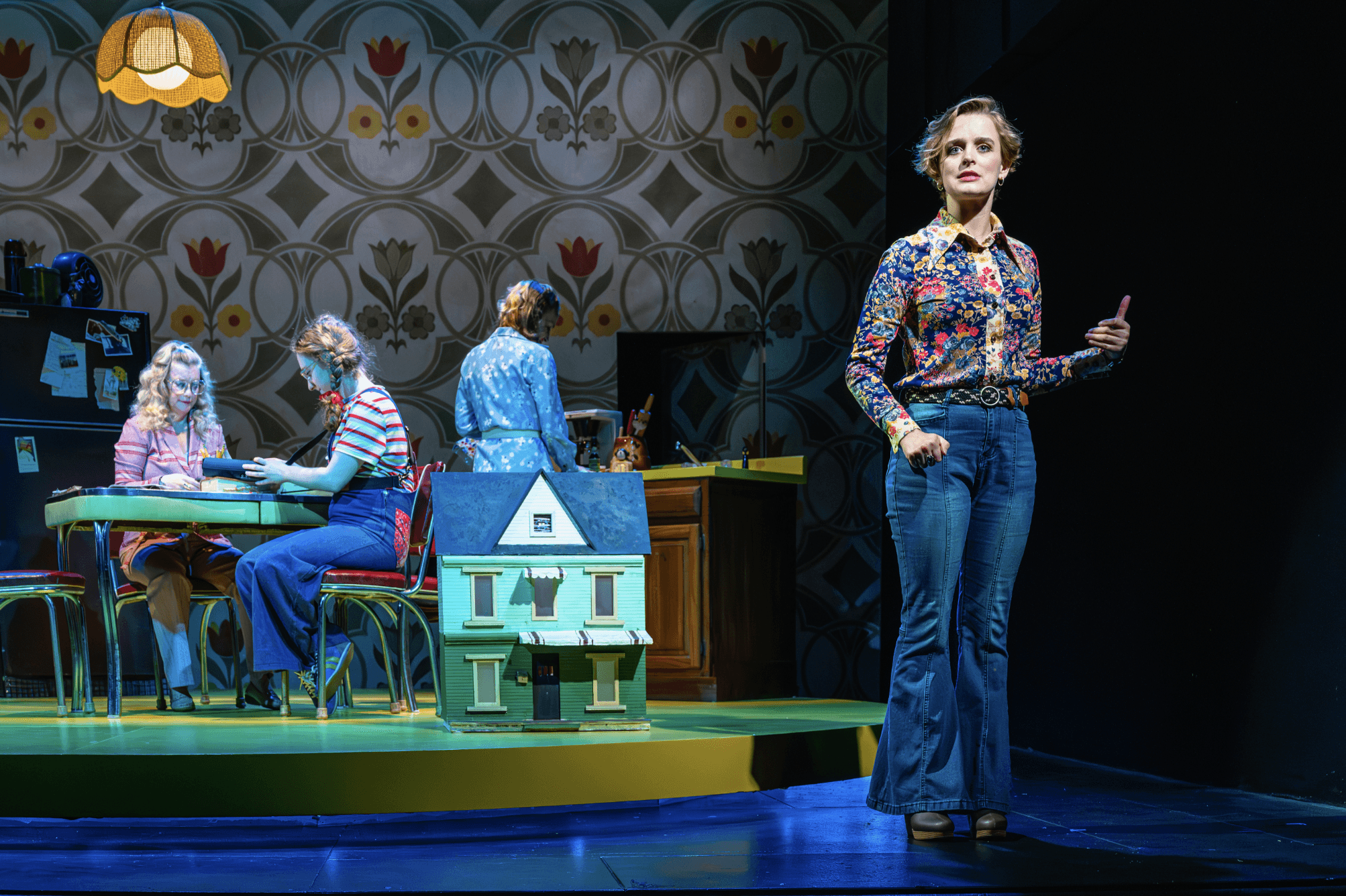
This design captured the main character's recollection of a pivotal childhood memory, immersing the audience in her mind. Key elements like 70s wallpaper, her father’s recliner, and notes on her mother’s fridge created a minimalist yet dynamic backdrop, blurring reality and memory. A raised deck distinguished present-day reflections, while lighting and props subtly transformed to evoke her emotions, enriching the narrative, highlighting memory’s selective and impactful nature.
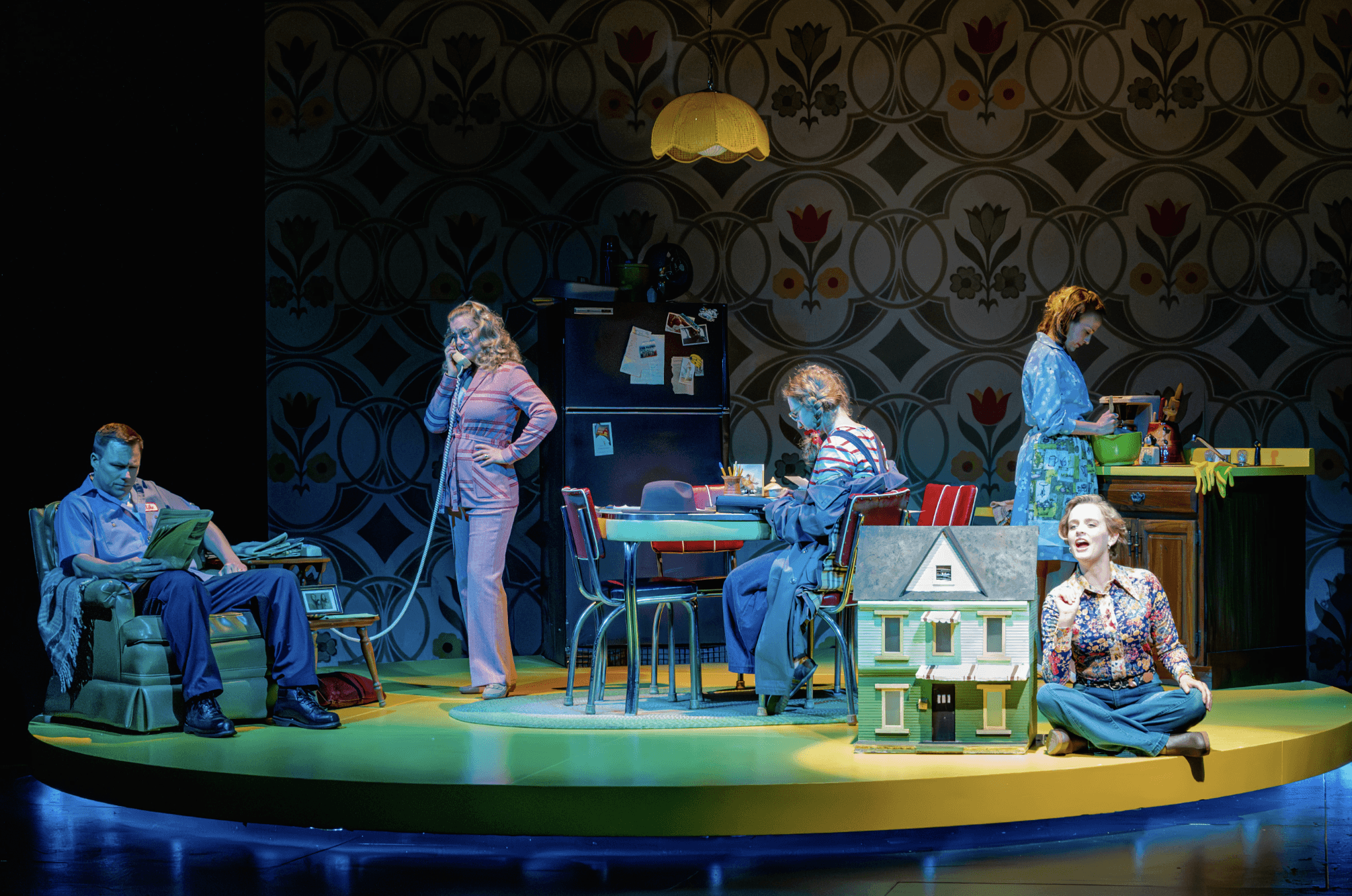
"Before a word is spoken…the set design instantly informs us what we’re about to witness harks to a bygone era." - Bruce Apar, Broadwayworld
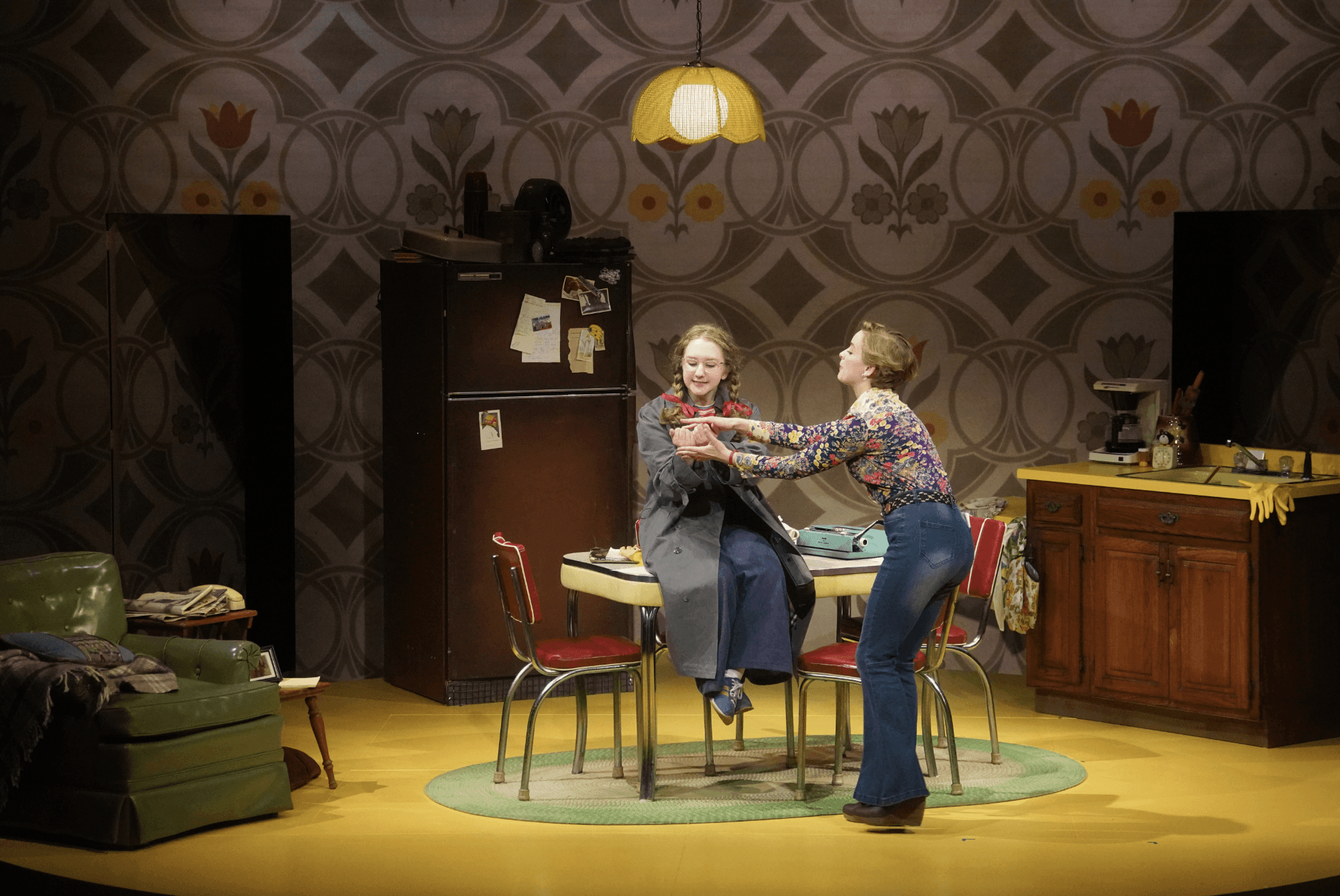
Incident at Our Lady of Perpetual Help
,
Penguin Rep
,
Tom Caruso, dir.
This design captured the main character's recollection of a pivotal childhood memory, immersing the audience in her mind. Key elements like 70s wallpaper, her father’s recliner, and notes on her mother’s fridge created a minimalist yet dynamic backdrop, blurring reality and memory. A raised deck distinguished present-day reflections, while lighting and props subtly transformed to evoke her emotions, enriching the narrative, highlighting memory’s selective and impactful nature.
"Before a word is spoken…the set design instantly informs us what we’re about to witness harks to a bygone era." - Bruce Apar, Broadwayworld
Stupid F#cking Bird
,
Queenborough Performing Arts Center
,
Liisa Yonkers, dir.
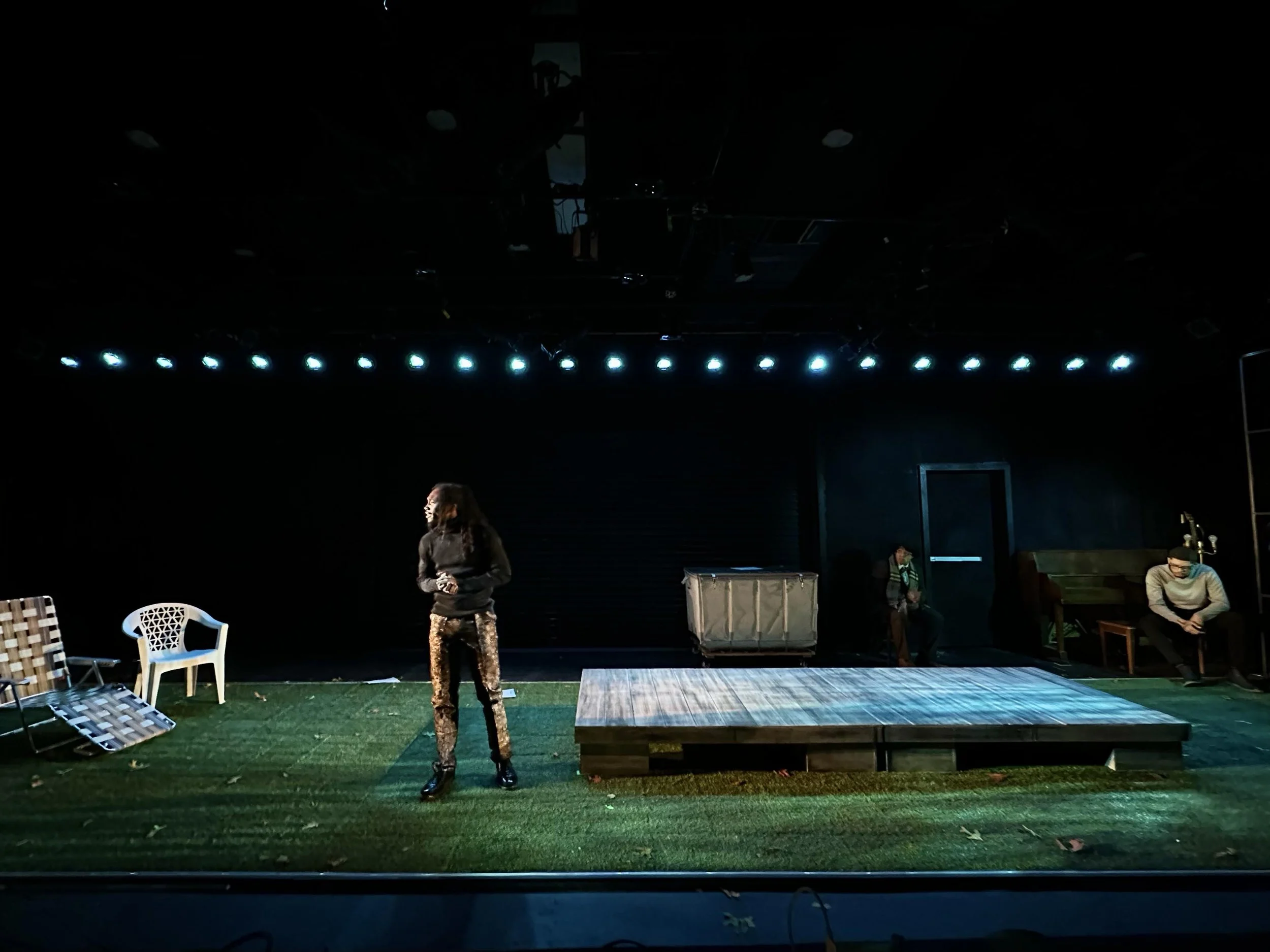
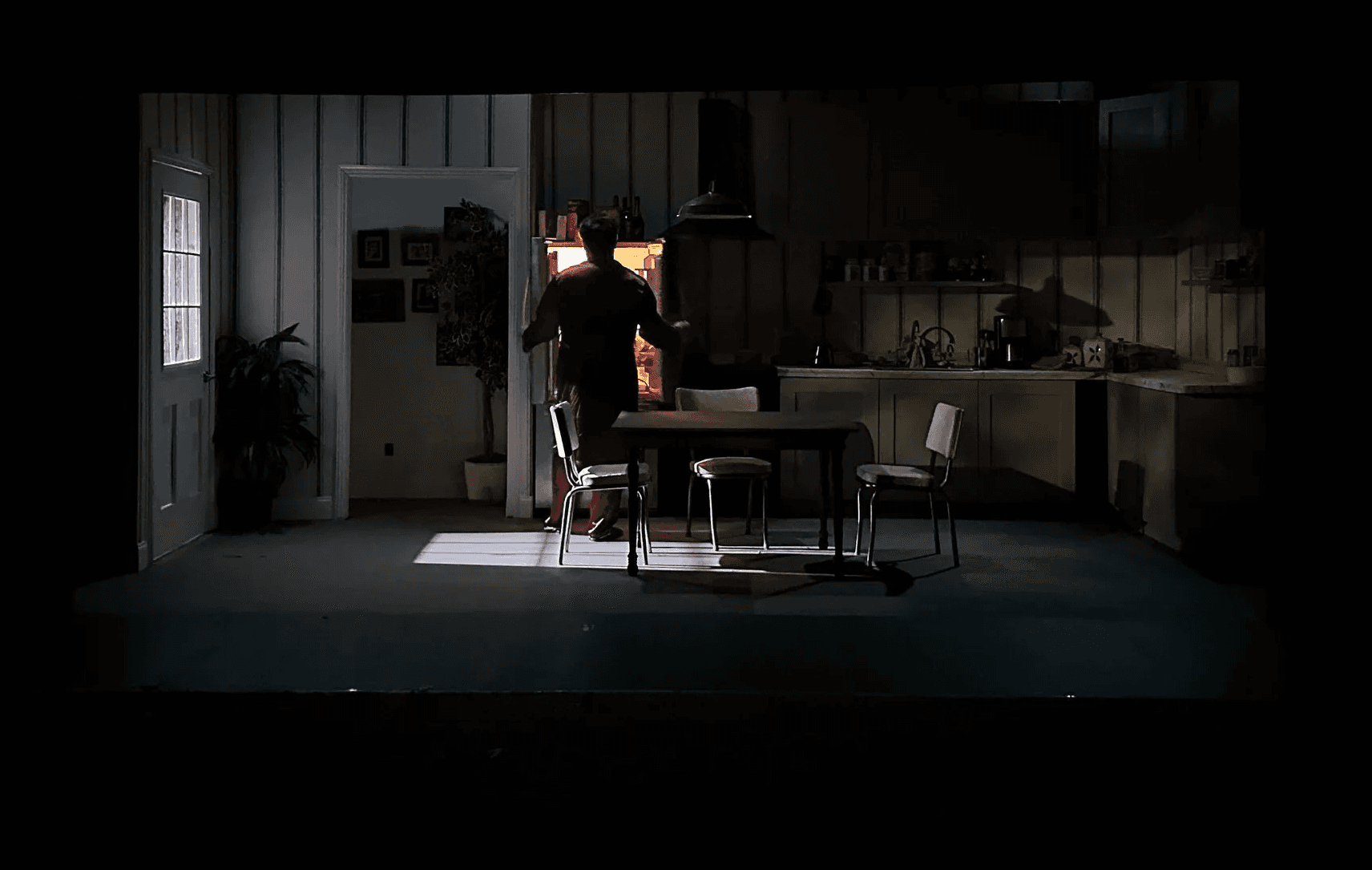
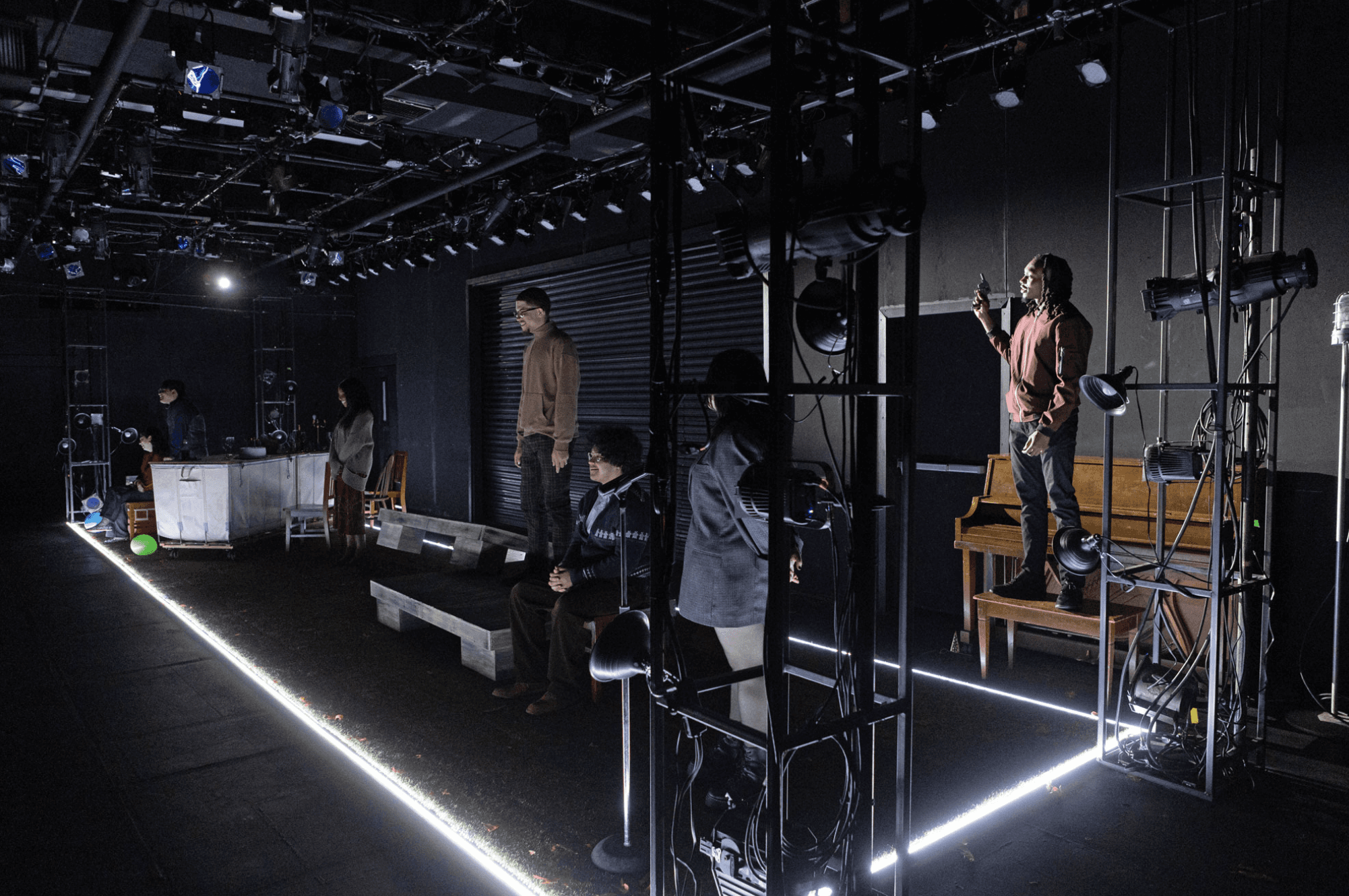
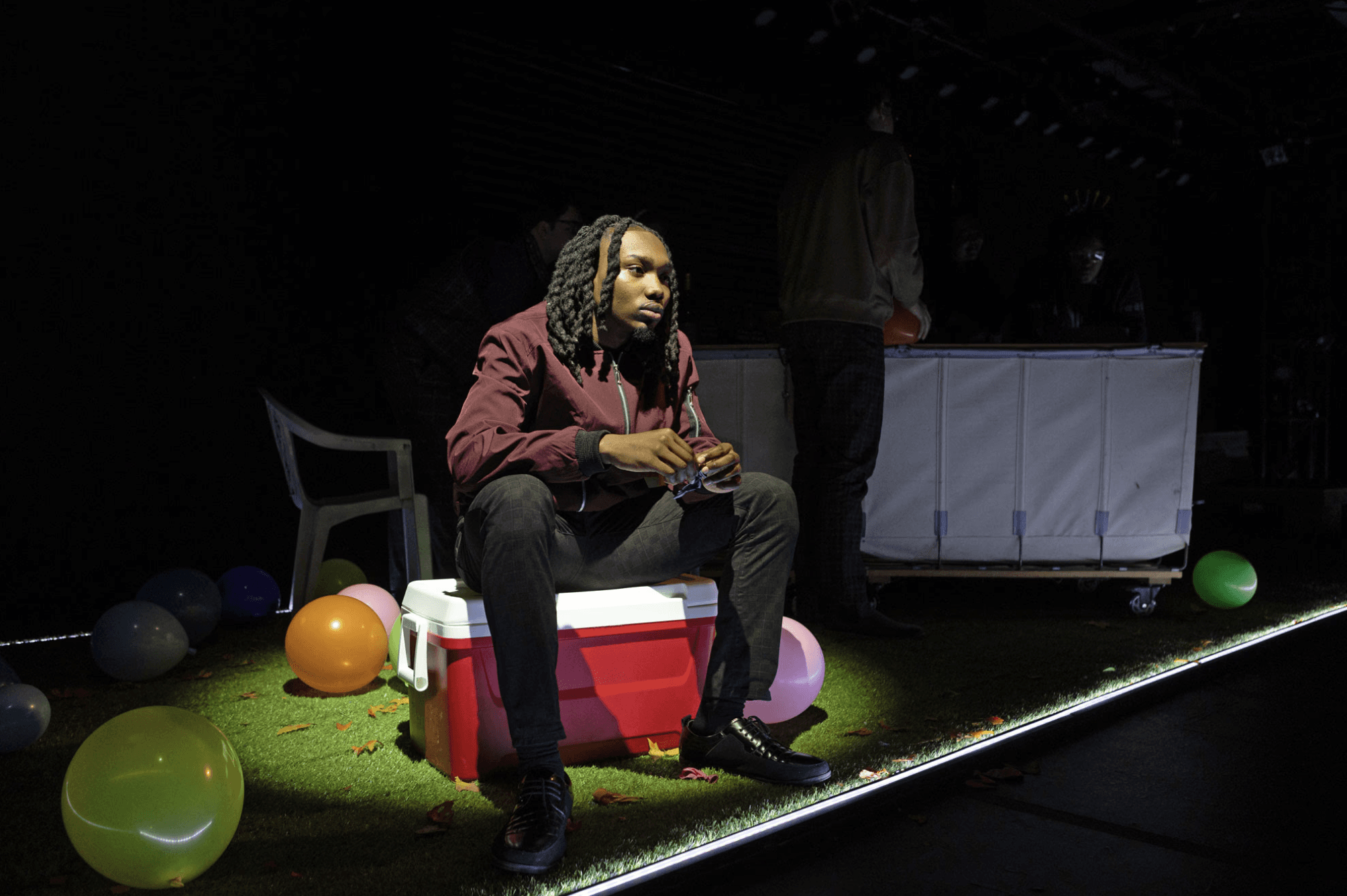
This design offered a unique viewing experience by contrasting two distinct staging approaches. Act One is presented on a wide, shallow stage, creating an immersive exterior environment that draws the audience into the emotional landscape of the characters encouraging a sense of intimacy and engagement. In stark contrast, Act Two shifts to a more traditional box set, introducing a greater aesthetic distance that reflects the characters' growing disconnection.
Stupid F#cking Bird
,
Queenborough Performing Arts Center
,
Liisa Yonkers, dir.
This design offered a unique viewing experience by contrasting two distinct staging approaches. Act One is presented on a wide, shallow stage, creating an immersive exterior environment that draws the audience into the emotional landscape of the characters encouraging a sense of intimacy and engagement. In stark contrast, Act Two shifts to a more traditional box set, introducing a greater aesthetic distance that reflects the characters' growing disconnection.
The Steel Man
,
Penguin Rep
,
Joe Brancato, dir.
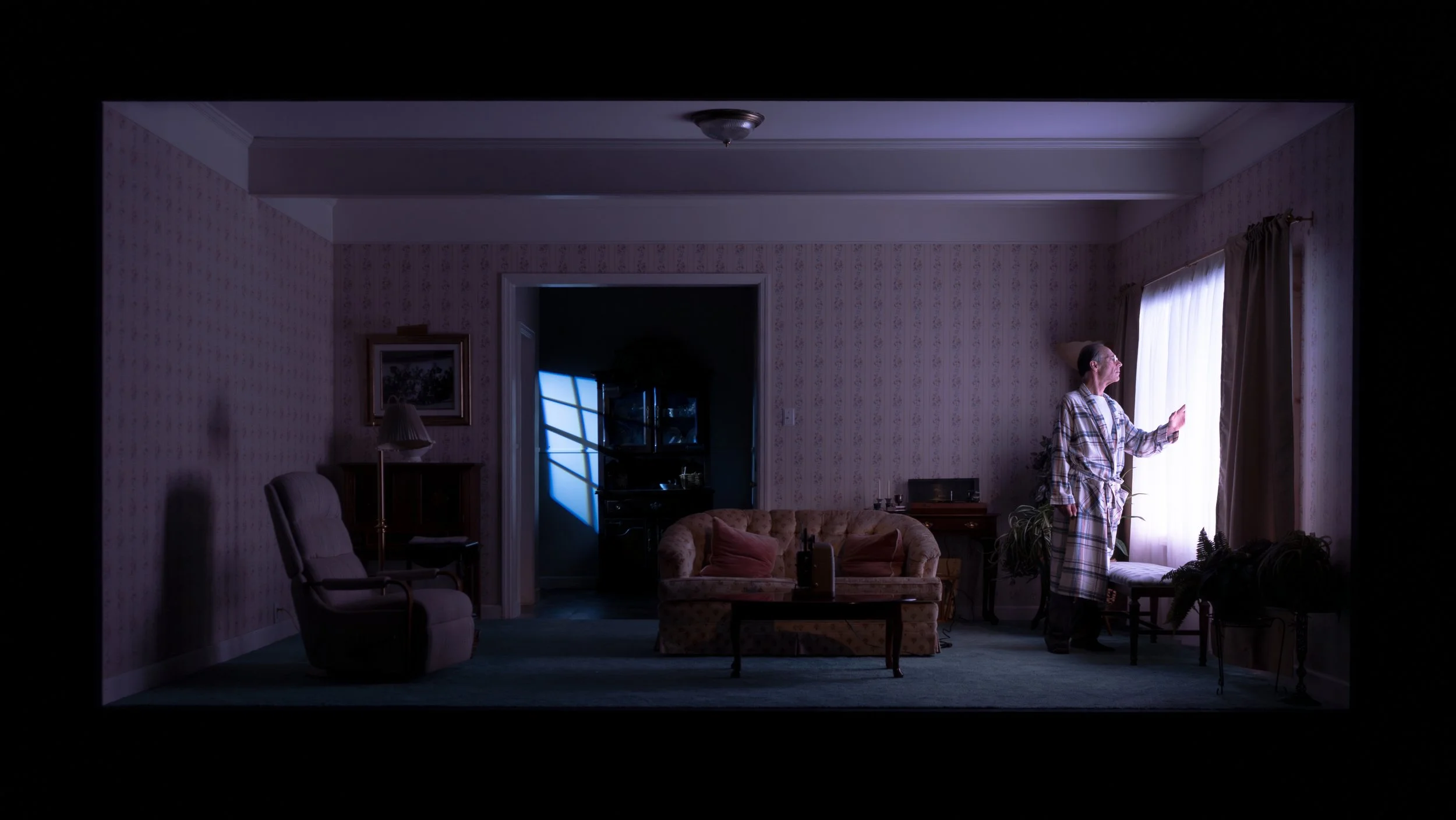
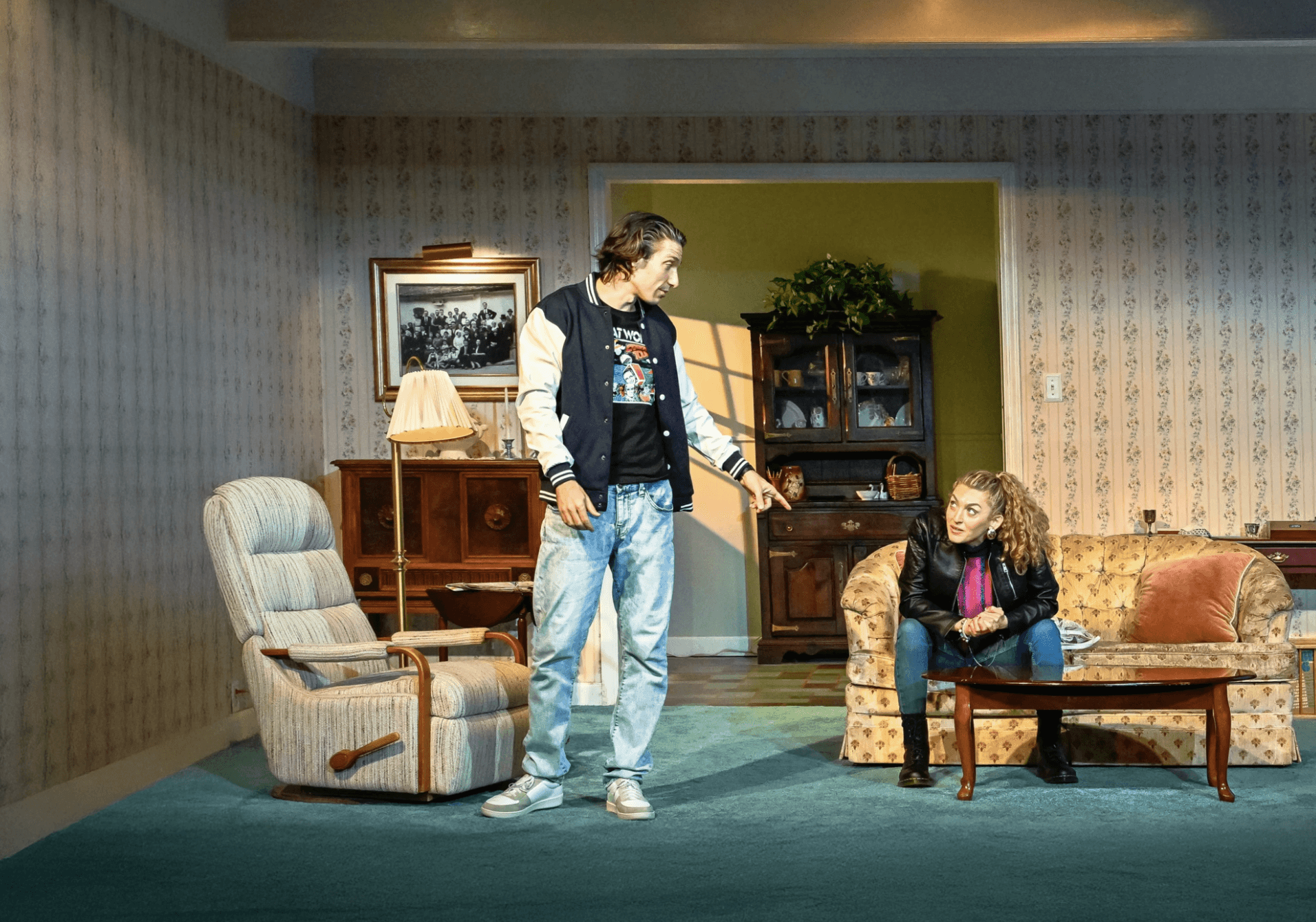
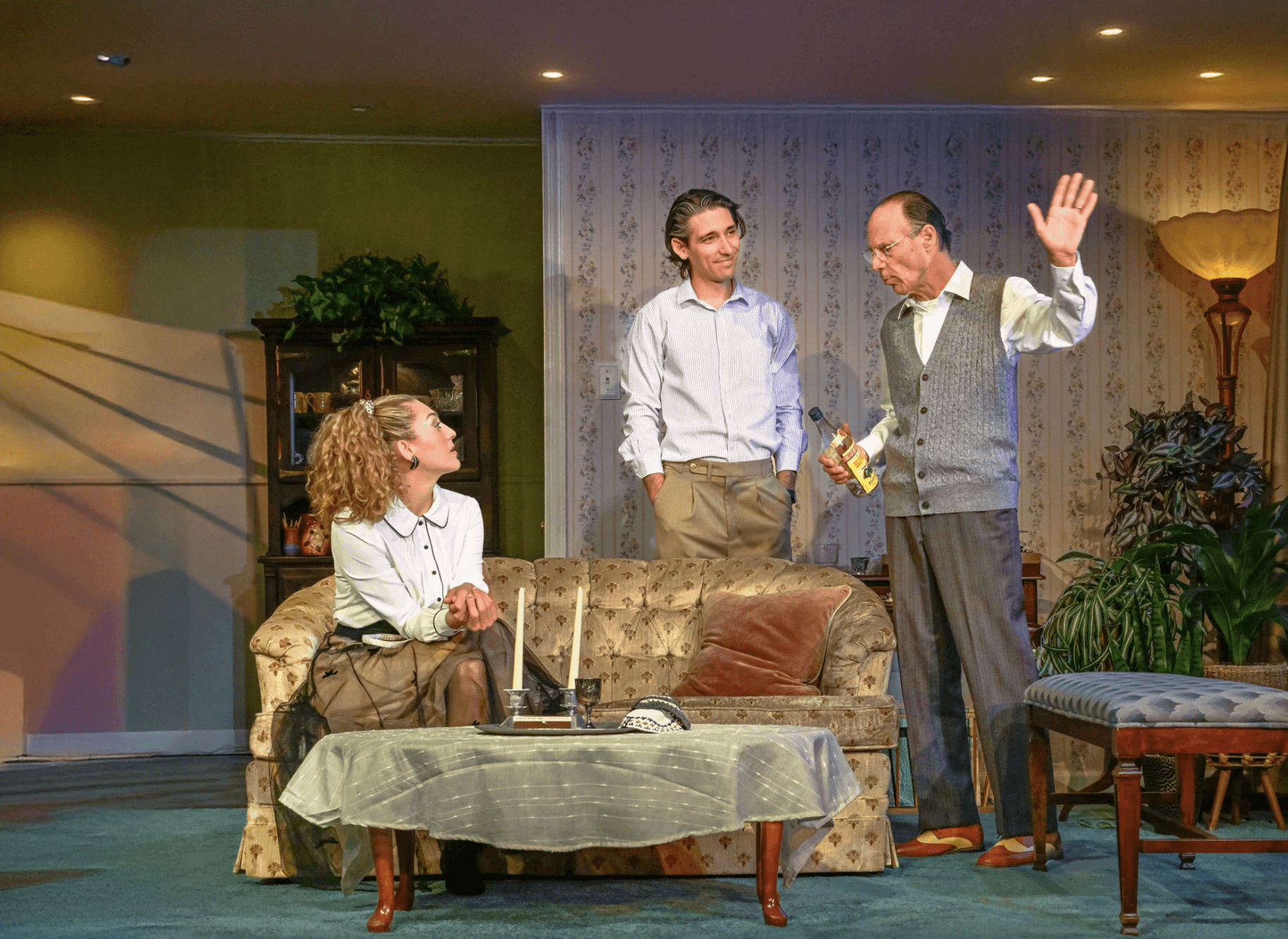
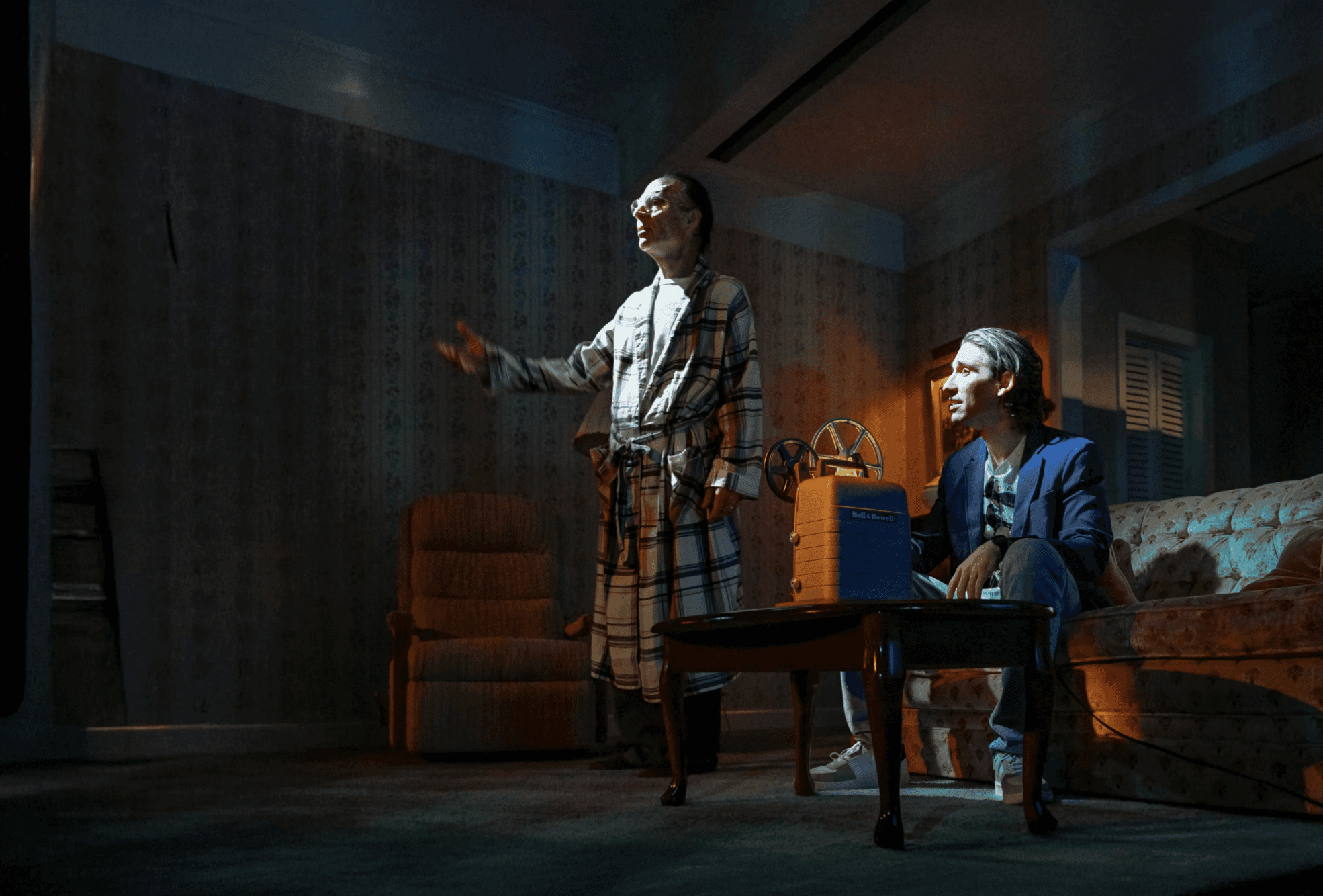
The character-driven costume design utilized a unified color palette, silhouettes, and patterns to visually trace the relationship and shared familial trauma between father and son. Their connection and mutual experiences were thoughtfully reflected in their clothing choices. Initially, the costumes emphasized a generational divide, but as the story progressed, the design gradually brought the two characters closer together, mirroring their growing recognition that trauma can be passed down and learned.
The Steel Man
,
Penguin Rep
,
Joe Brancato, dir.
The character-driven costume design utilized a unified color palette, silhouettes, and patterns to visually trace the relationship and shared familial trauma between father and son. Their connection and mutual experiences were thoughtfully reflected in their clothing choices. Initially, the costumes emphasized a generational divide, but as the story progressed, the design gradually brought the two characters closer together, mirroring their growing recognition that trauma can be passed down and learned.
Rent
,
New London Barn Playhouse
,
Keith Coughlin, dir.
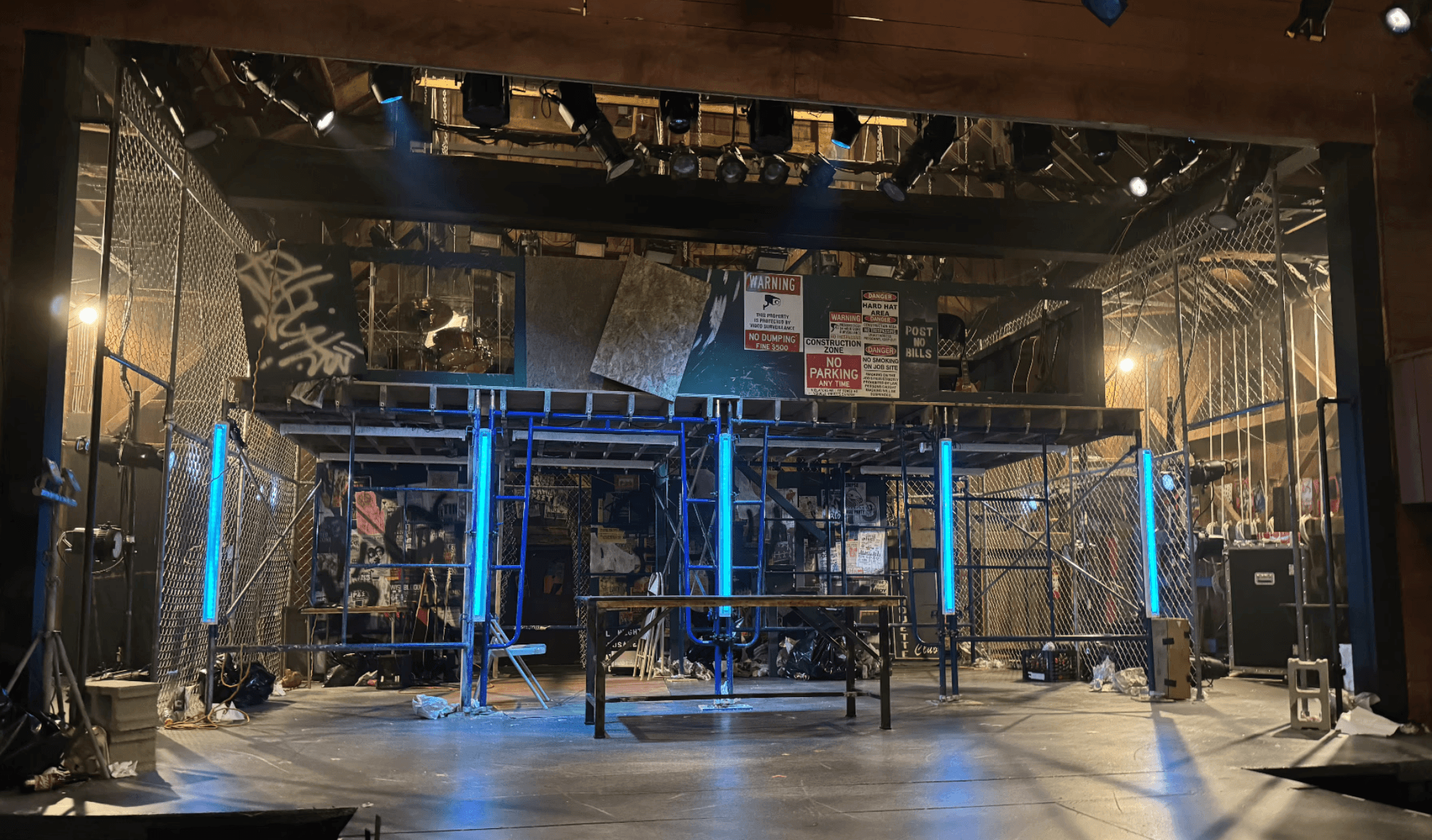
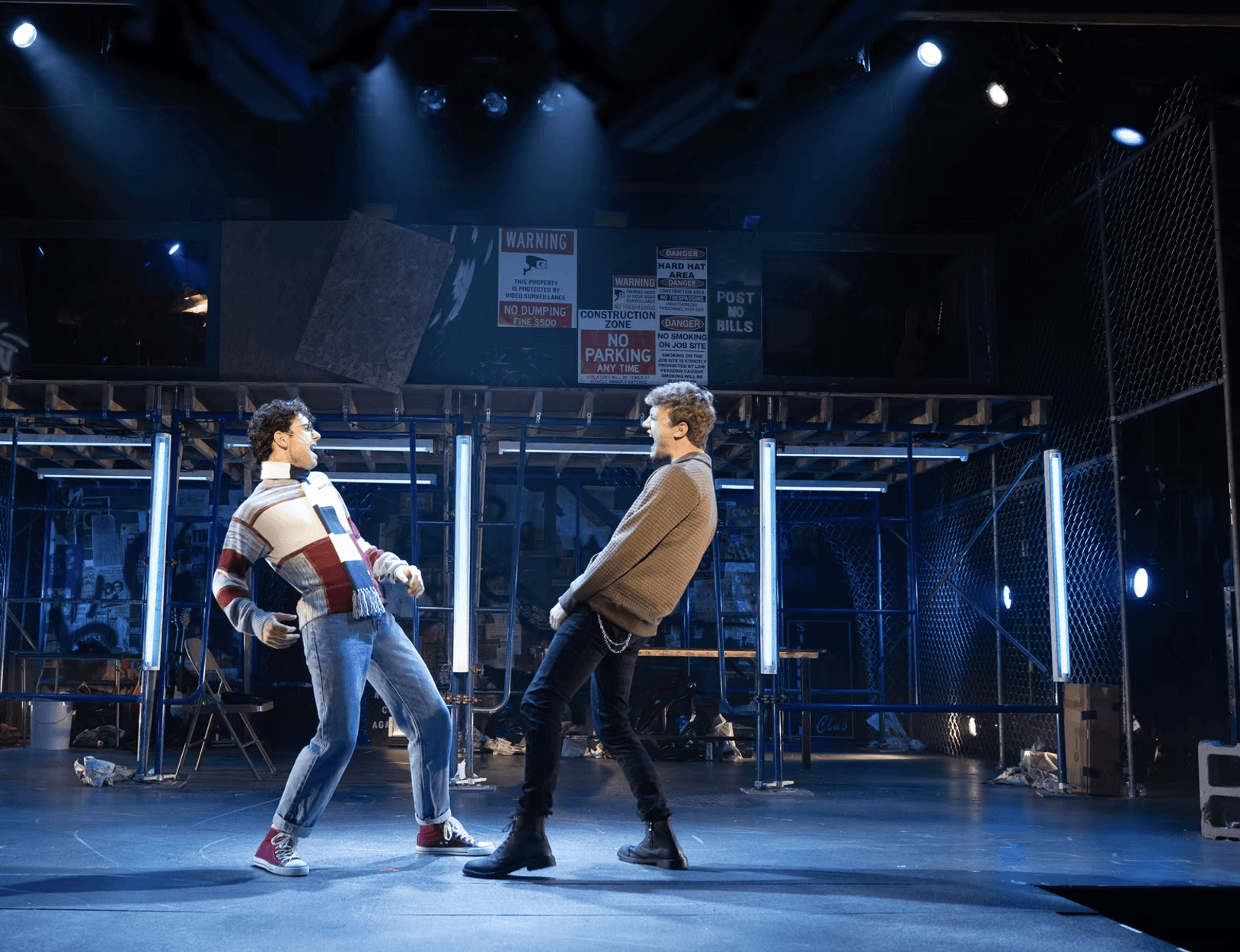
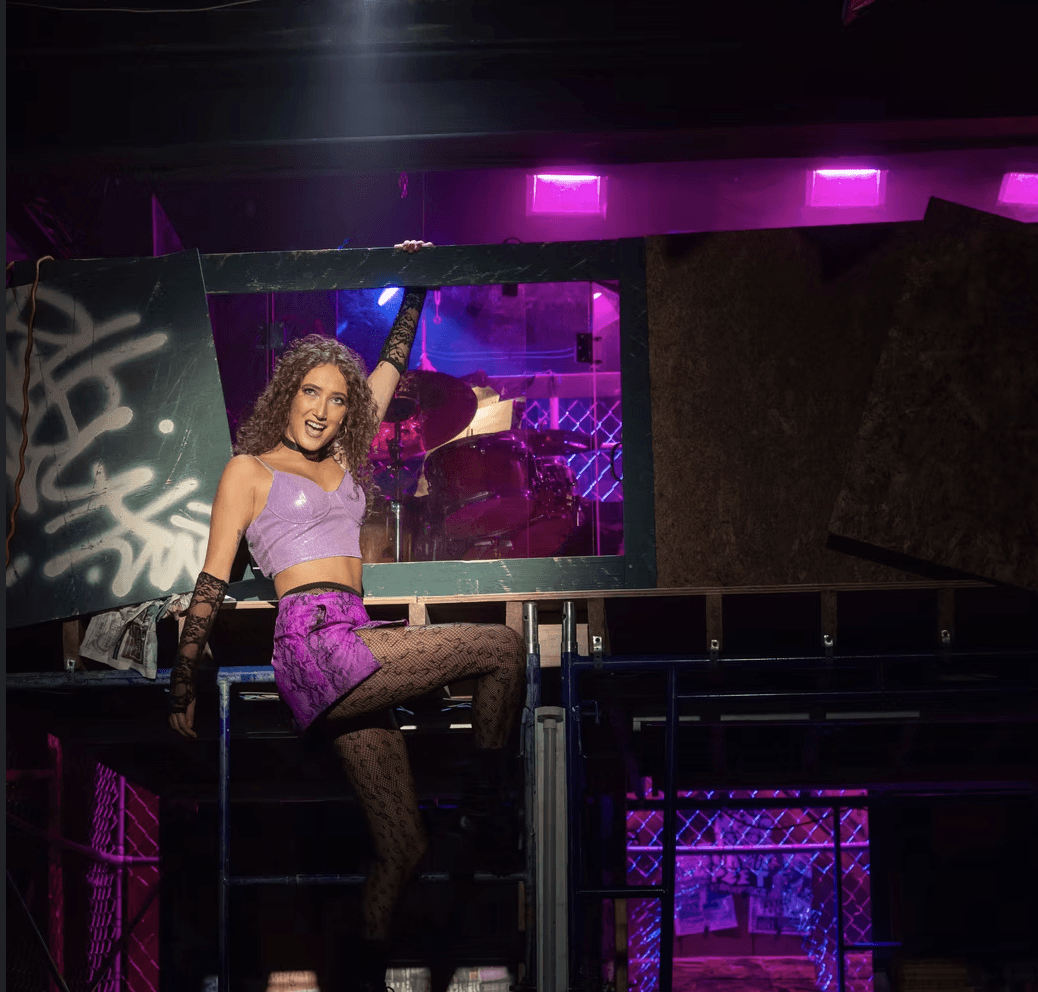
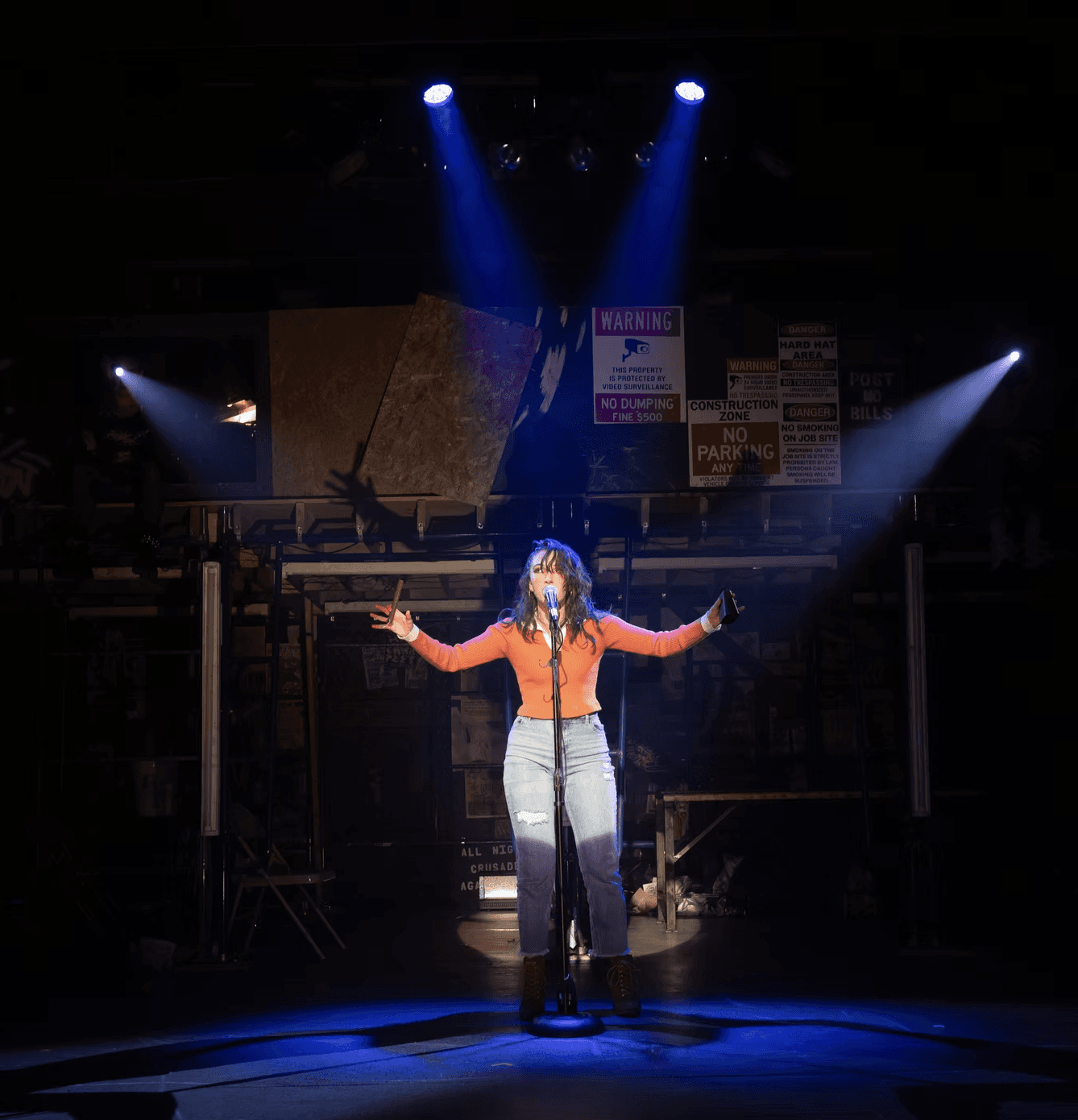
This design captured the gritty, vibrant essence of New York City's East Village, centered on a versatile, multi-level set featuring the ubiquitous building maintenance scaffolding found throughout NYC. This central structure facilitates seamless transitions between scenes and creates intimate performance spaces, immersing the audience in the raw energy and emotional depth of the musical.
Rent
,
New London Barn Playhouse
,
Keith Coughlin, dir.
This design captured the gritty, vibrant essence of New York City's East Village, centered on a versatile, multi-level set featuring the ubiquitous building maintenance scaffolding found throughout NYC. This central structure facilitates seamless transitions between scenes and creates intimate performance spaces, immersing the audience in the raw energy and emotional depth of the musical.
Miracle on South Division Street
,
Penguin Rep
,
Joe Brancato, dir.
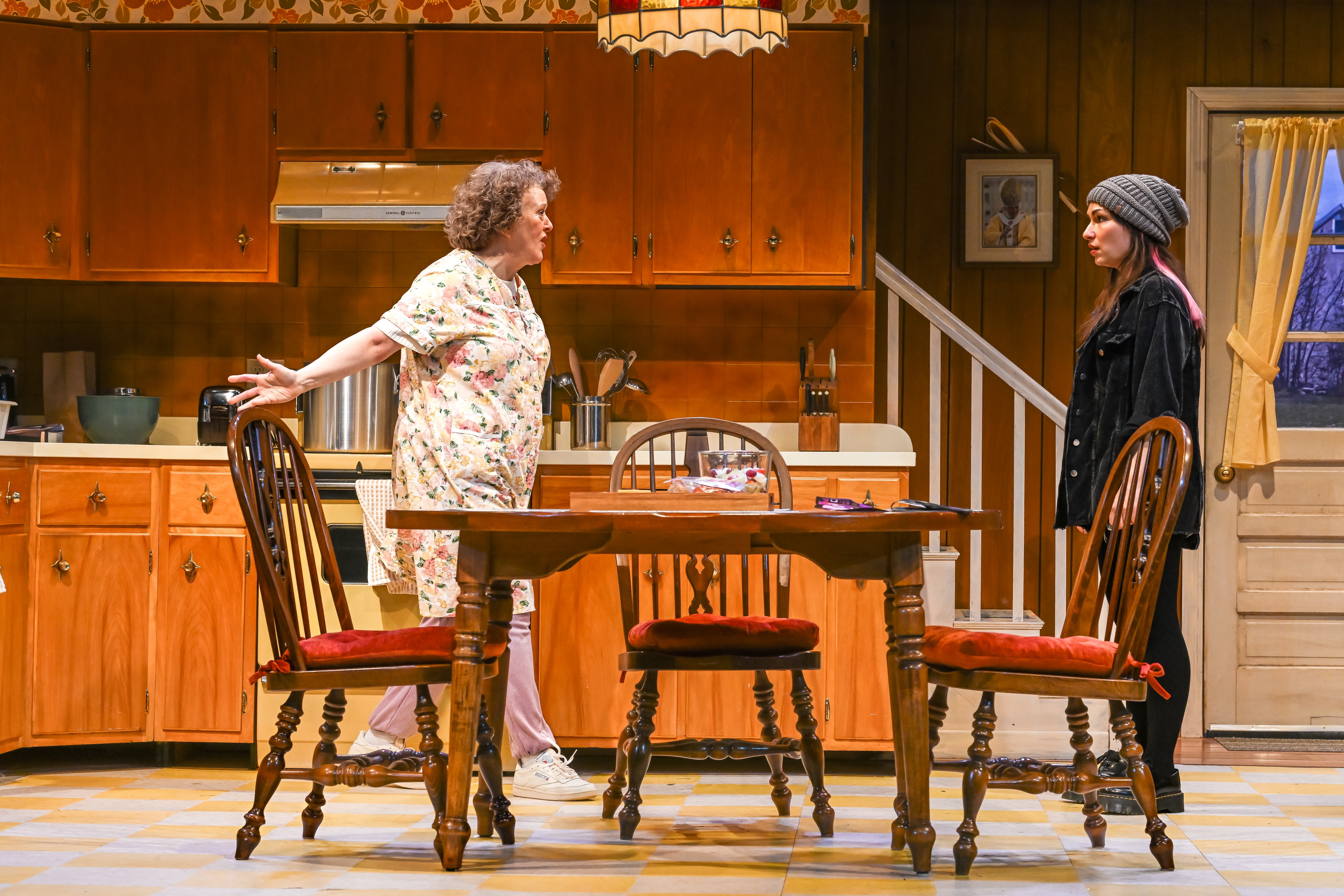
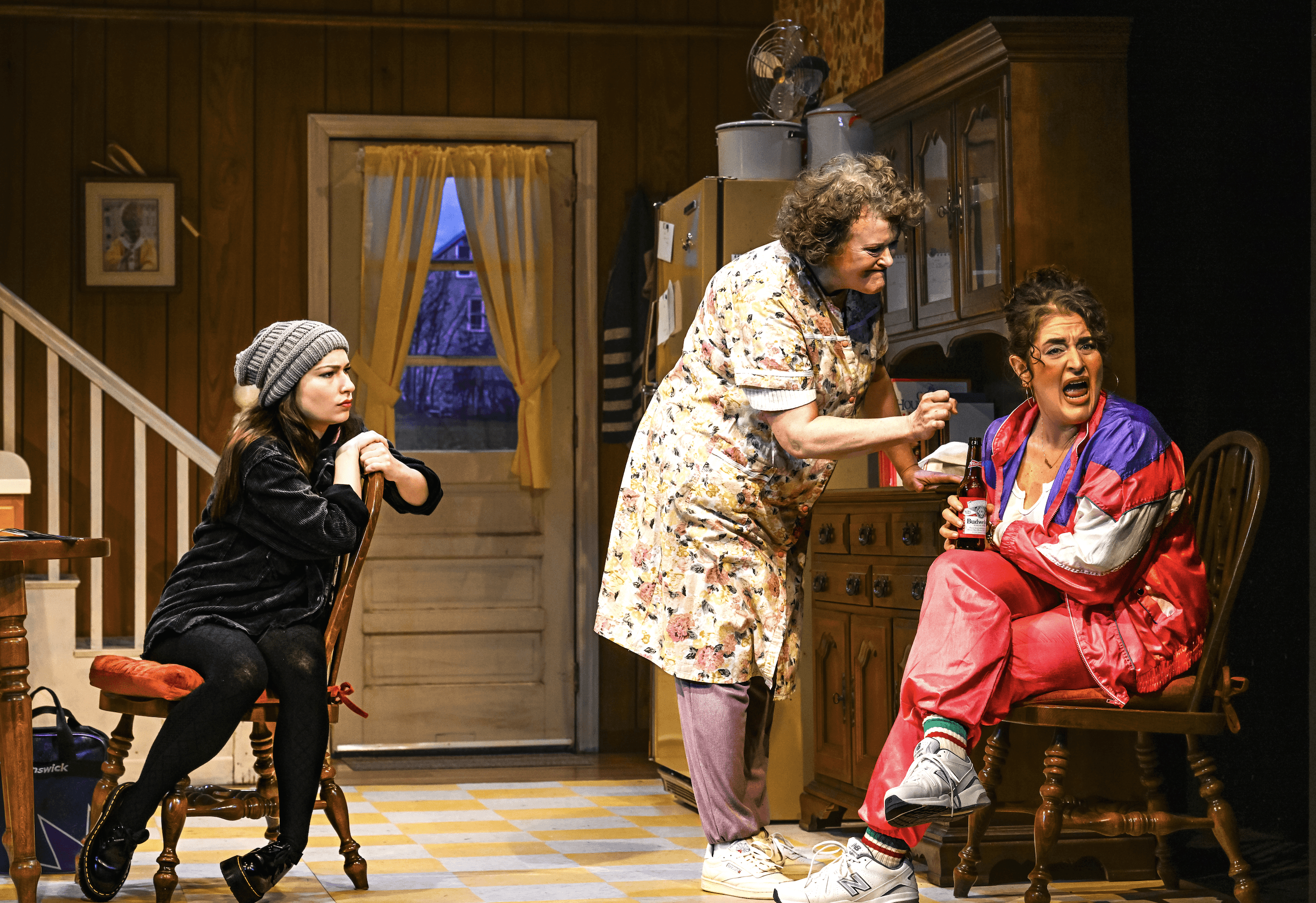
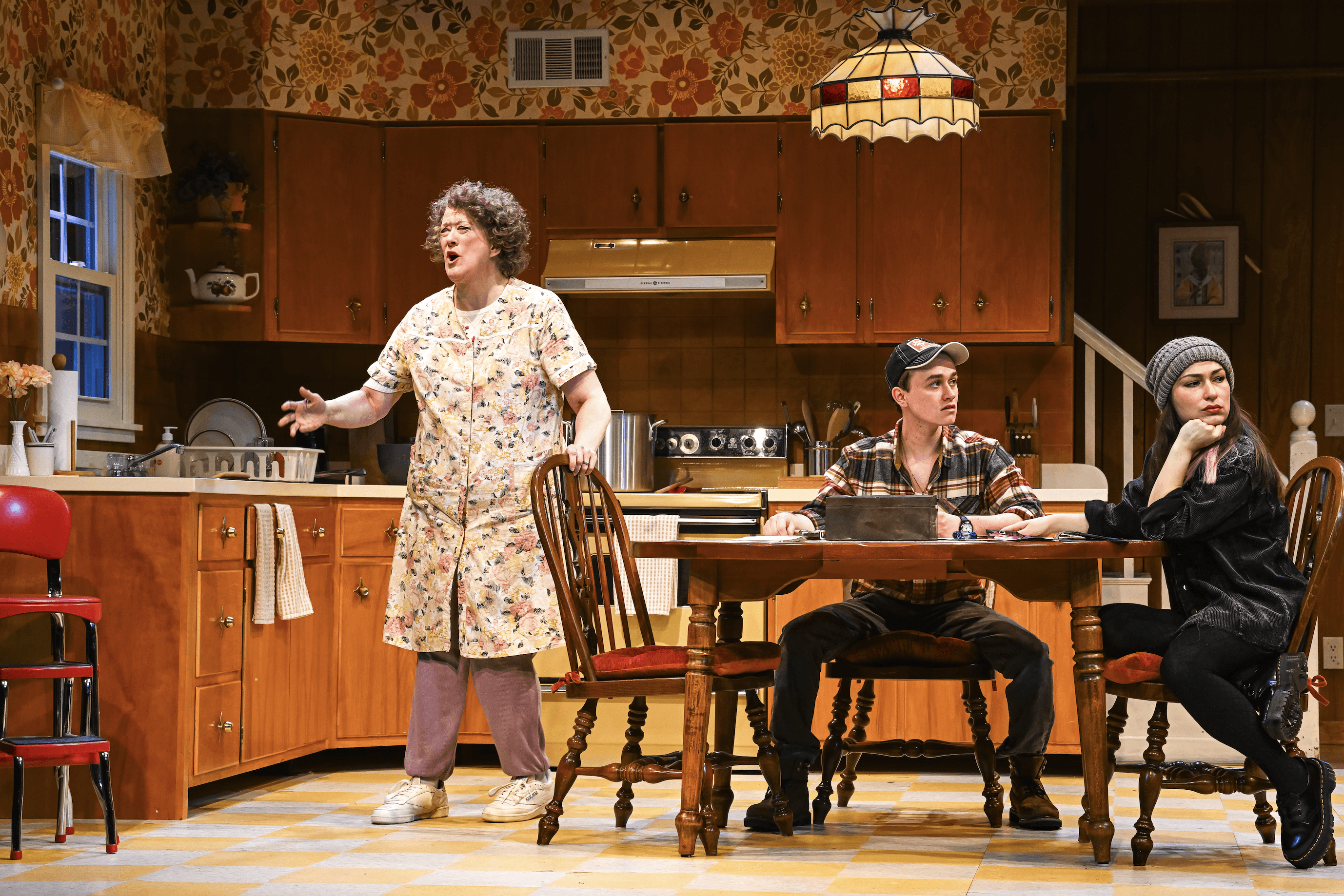
The set drops the audience right into the Nowaks’ worn, working-class Buffalo kitchen, full of lived-in details and family history. The beloved neighborhood shrine hovers just beyond the everyday clutter, serving as both comic focal point and physical reminder of the family myth that’s about to be challenged. By keeping the space intimate, familiar, and just slightly off-kilter, the design sharpens the play’s collision of faith, identity, and long-held stories cracking open in real time.
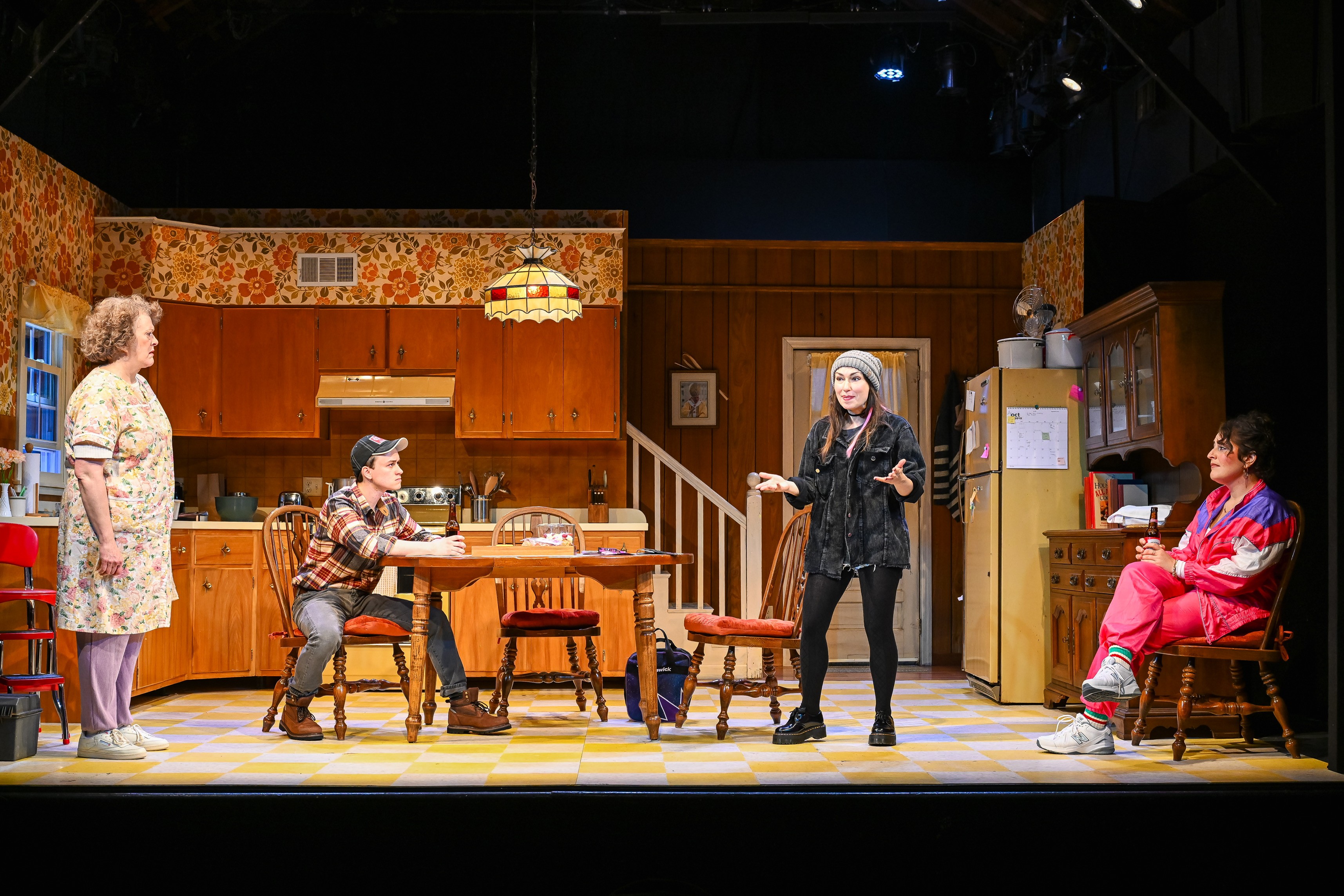
"Visually, the production is solid. Christian Fleming’s set and costume design effectively capture the worn, insular world of the Nowak home" - Times Square Chronicles
Miracle on South Division Street
,
Penguin Rep
,
Joe Brancato, dir.
The set drops the audience right into the Nowaks’ worn, working-class Buffalo kitchen, full of lived-in details and family history. The beloved neighborhood shrine hovers just beyond the everyday clutter, serving as both comic focal point and physical reminder of the family myth that’s about to be challenged. By keeping the space intimate, familiar, and just slightly off-kilter, the design sharpens the play’s collision of faith, identity, and long-held stories cracking open in real time.
"Visually, the production is solid. Christian Fleming’s set and costume design effectively capture the worn, insular world of the Nowak home" - Times Square Chronicles
Next to Normal
,
Riverside Center
,
Penny Ayn Maas
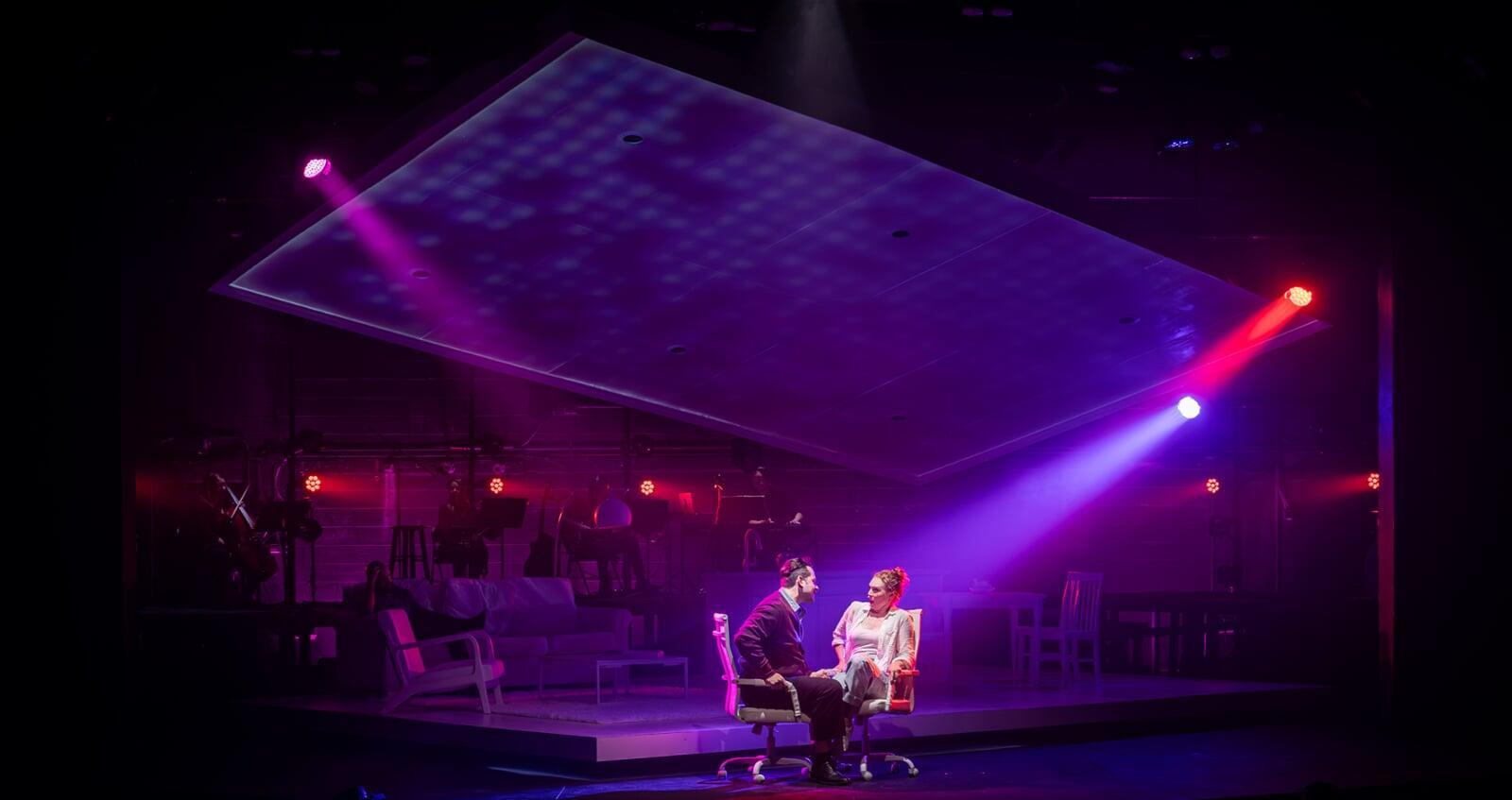
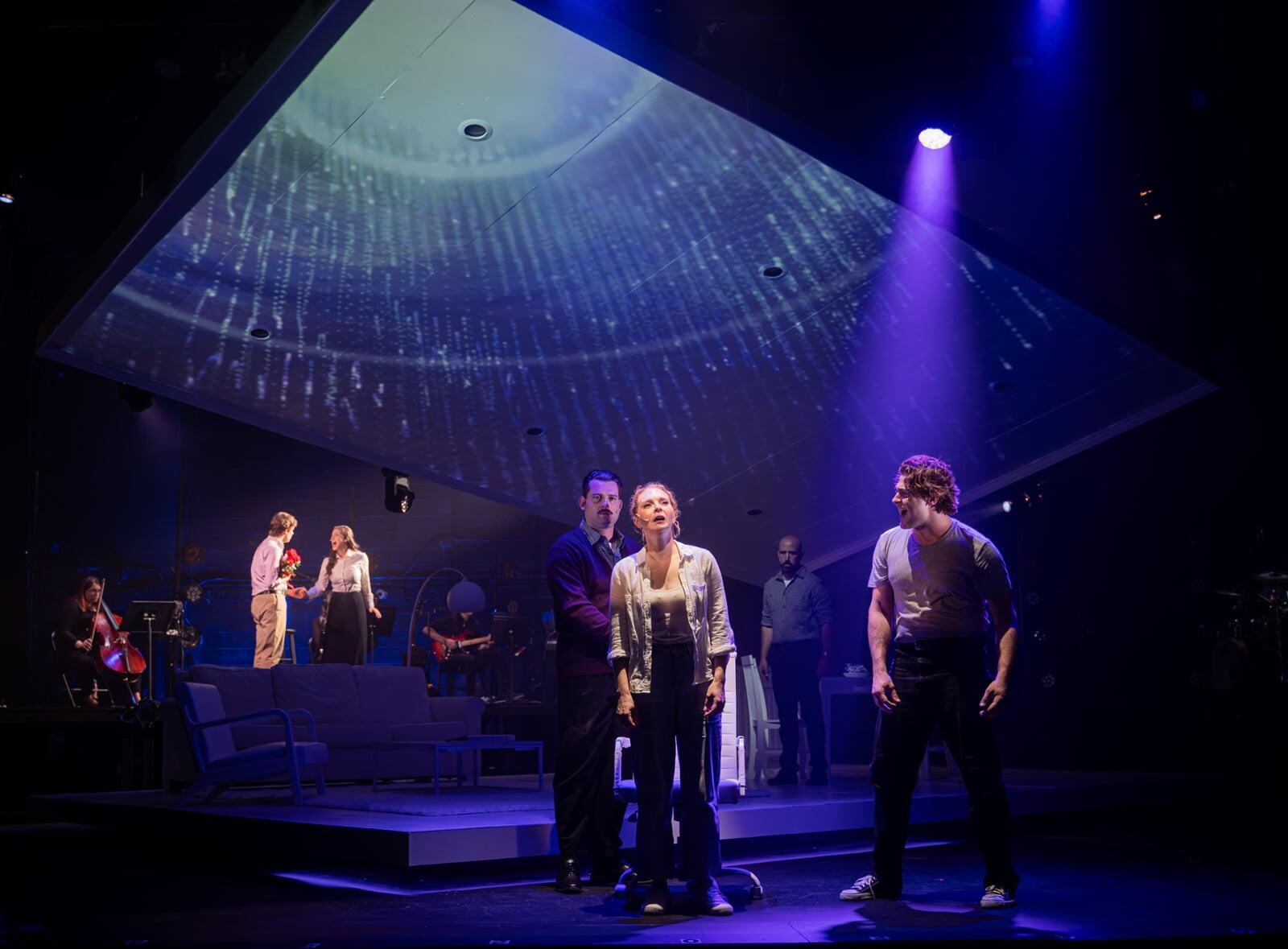
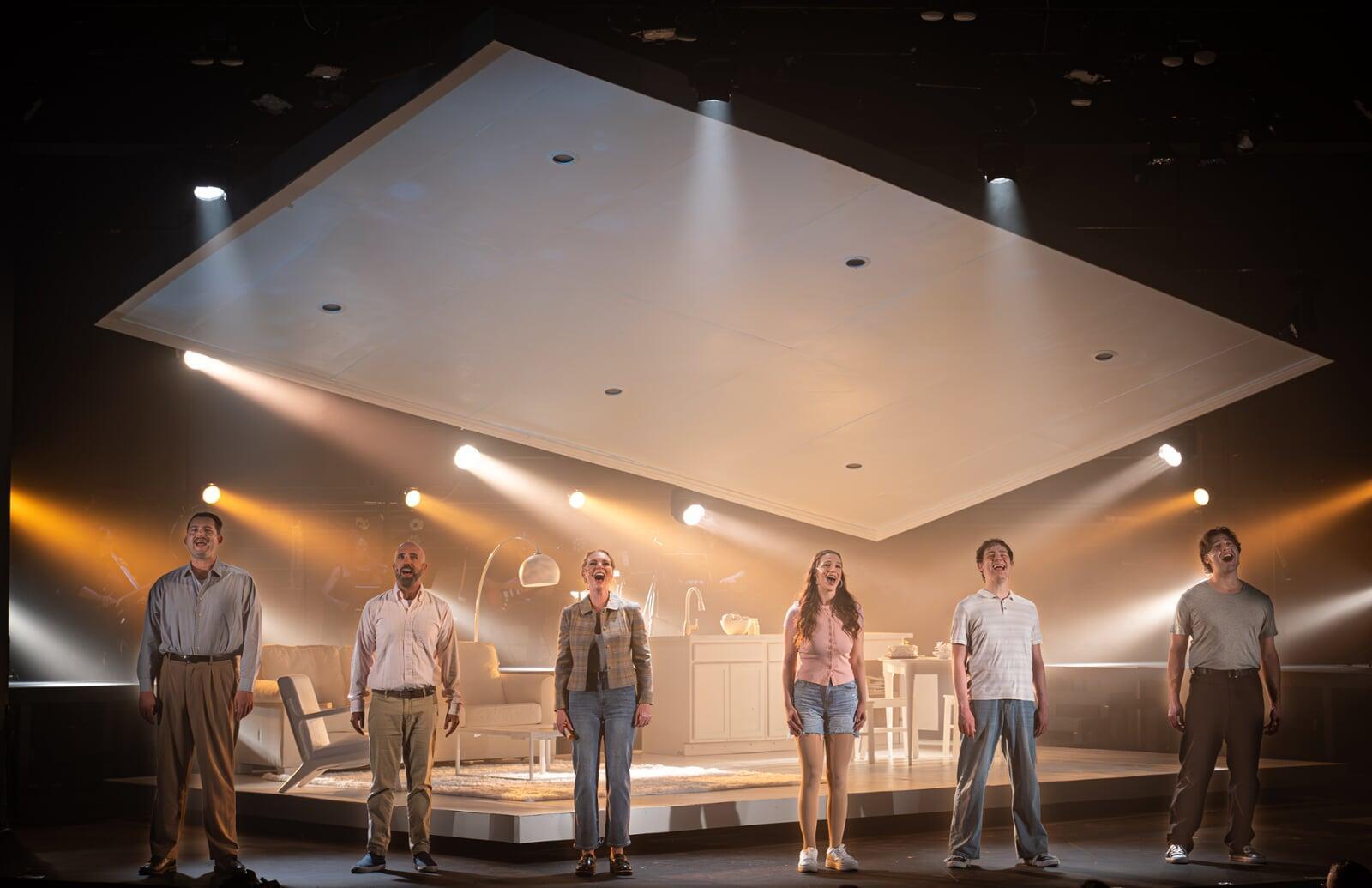
This design visualized Diana’s off-kilter psychological world, where the familiar contours of home felt subtly distorted. As color drained from her environment, the space mirrored her slipping grasp on reality - a world once vivid now rendered in muted tones of memory and loss. The result was a design that externalized her emotional fragmentation.
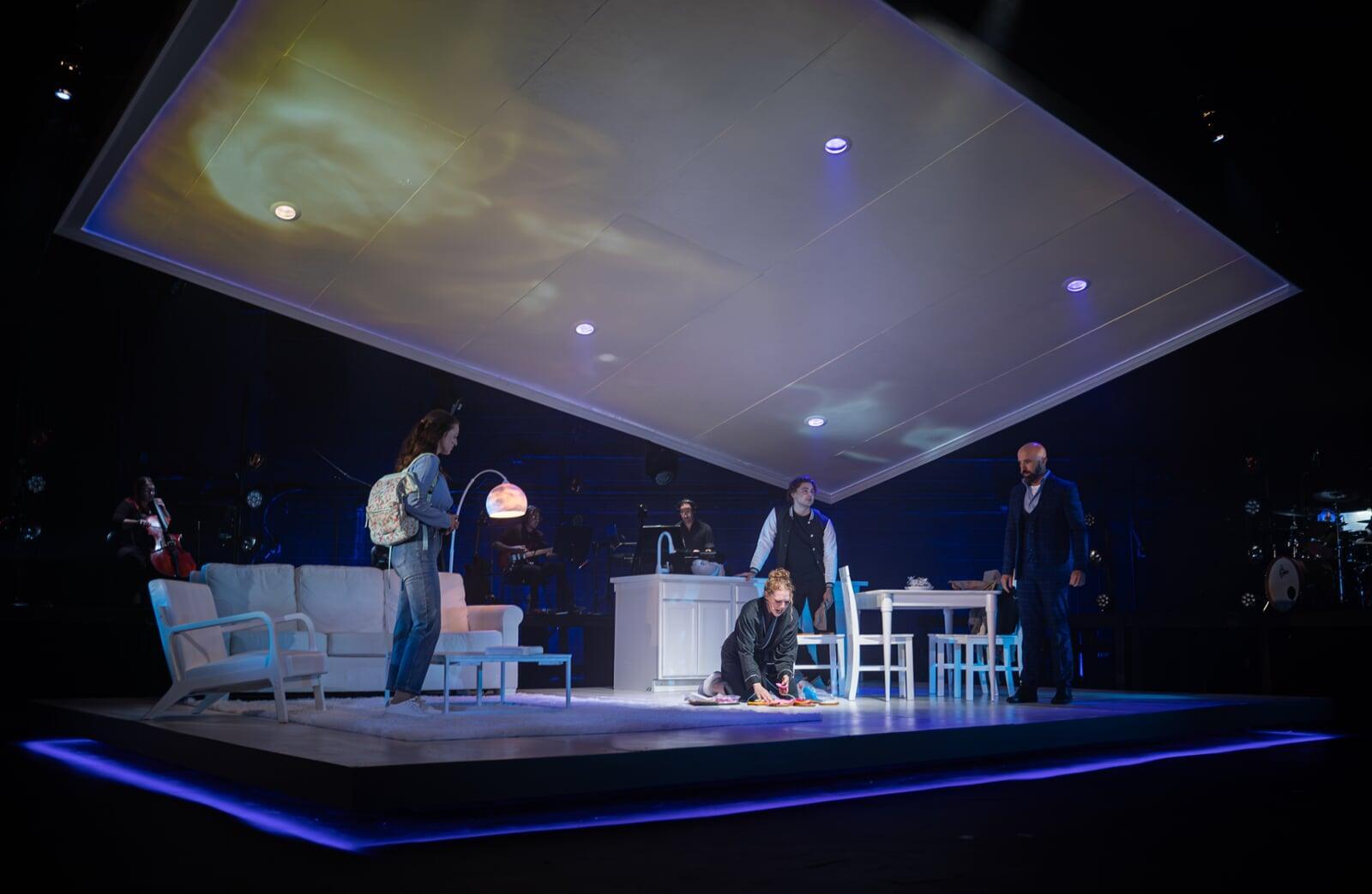
"The design and production team is truly a team. The minimalist set (by Christian Fleming) is a blank canvas for the performers and the other designers that supports all the other production elements." - DC Theatre Arts
Next to Normal
,
Riverside Center
,
Penny Ayn Maas
This design visualized Diana’s off-kilter psychological world, where the familiar contours of home felt subtly distorted. As color drained from her environment, the space mirrored her slipping grasp on reality - a world once vivid now rendered in muted tones of memory and loss. The result was a design that externalized her emotional fragmentation.
"The design and production team is truly a team. The minimalist set (by Christian Fleming) is a blank canvas for the performers and the other designers that supports all the other production elements." - DC Theatre Arts
Sunday in the Park with George
,
Titusville Playhouse
,
Steven Heron, dir.
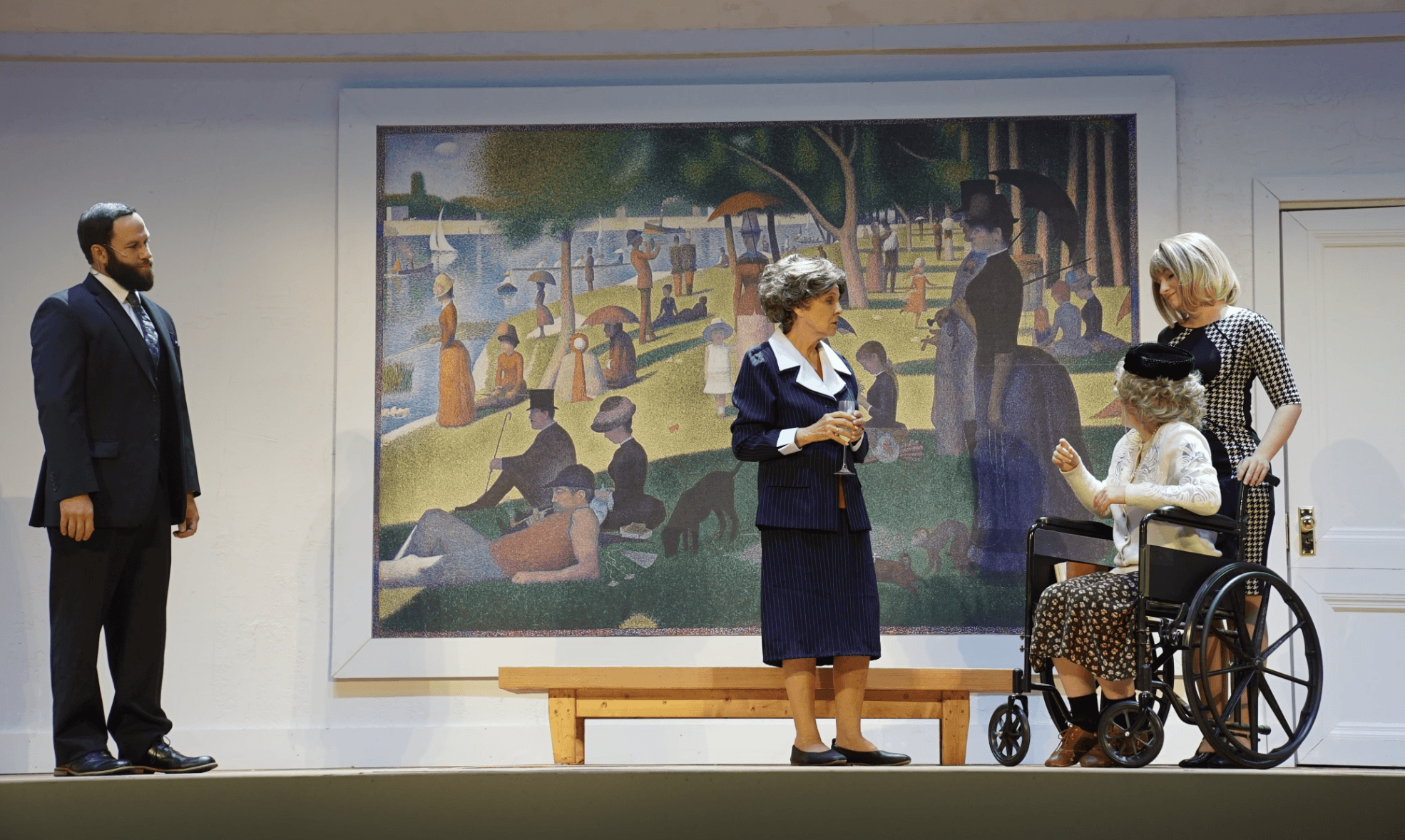
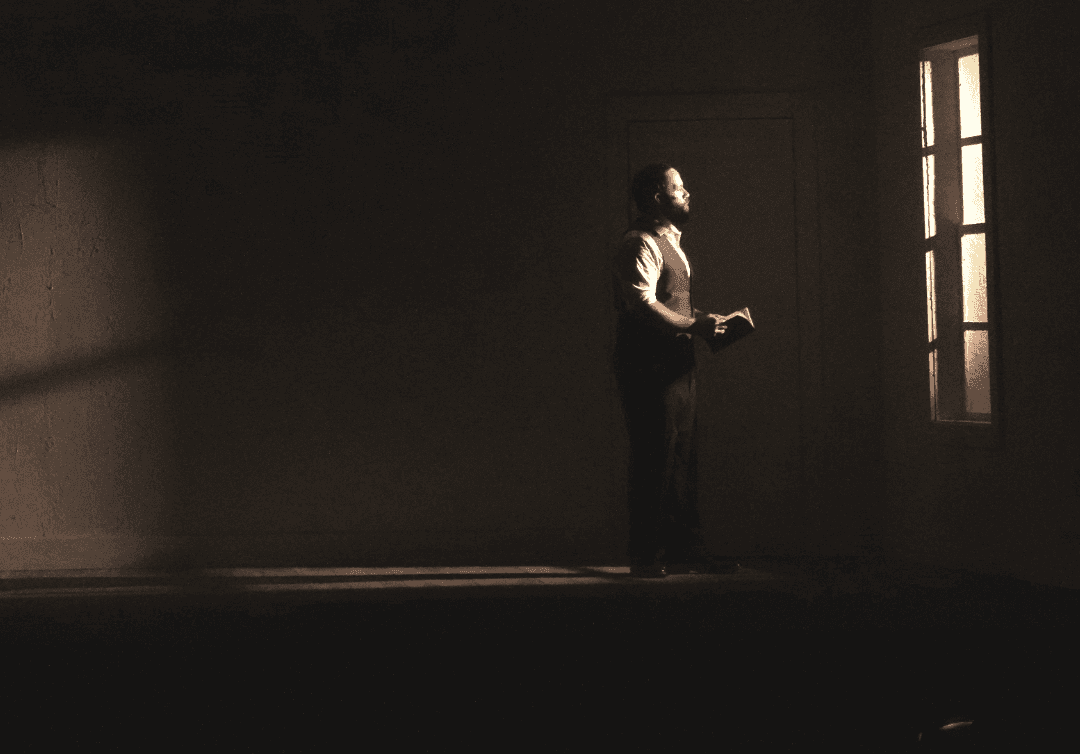
This design grounded the action in George’s art studio deepening the exploration of the play’s central themes of art versus life and the creative process. The studio, filled with canvases, palettes, and unfinished works, allowed the audience to witness the juxtaposition of creation and reality, highlighting the struggles and joys of the artistic journey. By immersing the audience in George’s world, the design invited deeper contemplation on how art captures fleeting moments and emotions and offered greater resonance as the same room took on new meaning, ultimately highlighting the balance between personal sacrifice and creative fulfillment.
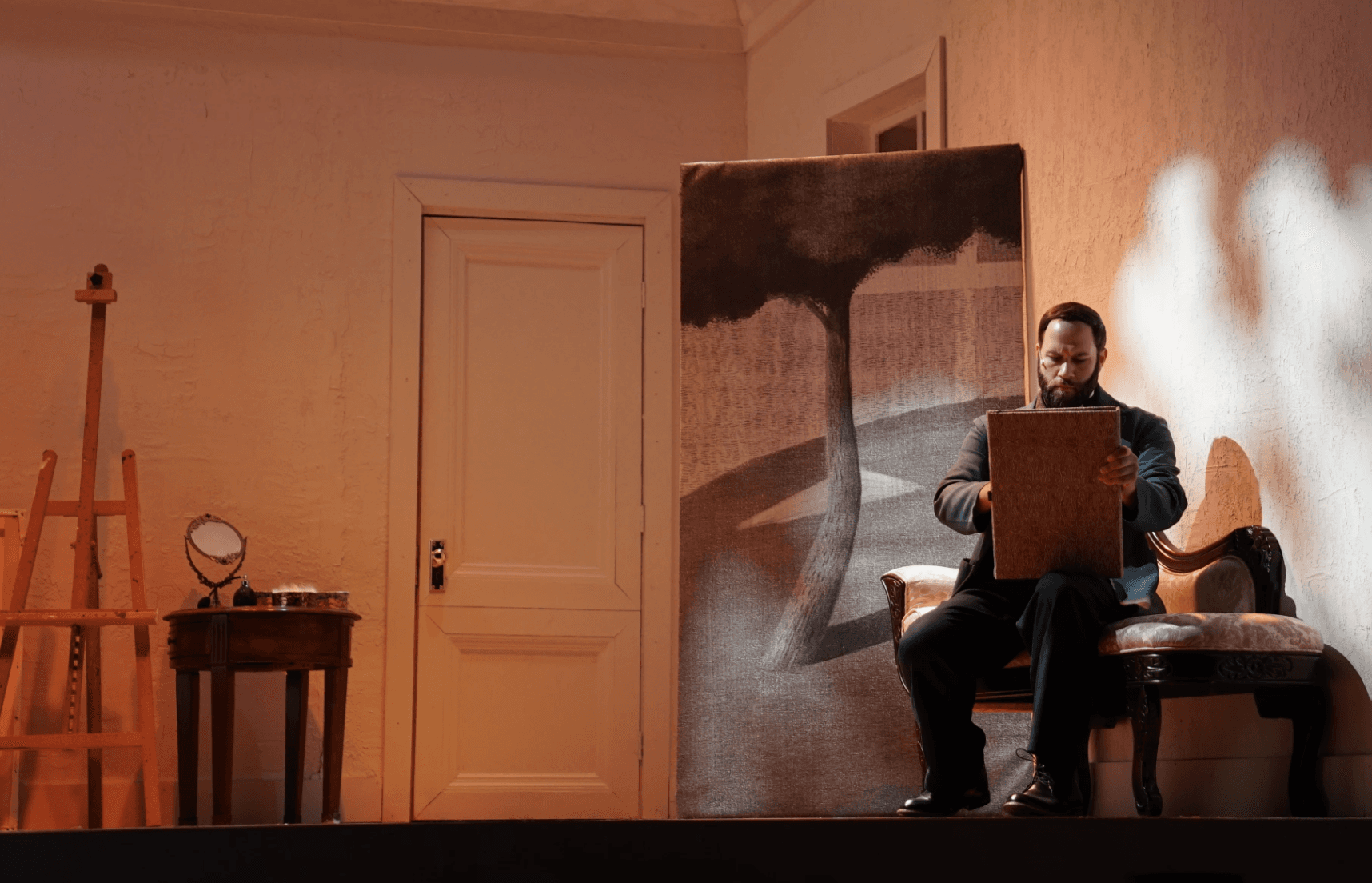
"This also gives Scenic and Projection Designer Christian Fleming an amazingly effective blank canvas to work with (and an opportunity to shine) – providing subtle nods to the elements of the famous painting (via canvases on easels and other set pieces) vs. the literal scenic elements often used. His setting of the show inside the walls of George’s art studio is a truly inspired choice – grounding the action in the environment of the artist and elevating the creative process." - BroadwayWorld Orlando

Sunday in the Park with George
,
Titusville Playhouse
,
Steven Heron, dir.
This design grounded the action in George’s art studio deepening the exploration of the play’s central themes of art versus life and the creative process. The studio, filled with canvases, palettes, and unfinished works, allowed the audience to witness the juxtaposition of creation and reality, highlighting the struggles and joys of the artistic journey. By immersing the audience in George’s world, the design invited deeper contemplation on how art captures fleeting moments and emotions and offered greater resonance as the same room took on new meaning, ultimately highlighting the balance between personal sacrifice and creative fulfillment.
"This also gives Scenic and Projection Designer Christian Fleming an amazingly effective blank canvas to work with (and an opportunity to shine) – providing subtle nods to the elements of the famous painting (via canvases on easels and other set pieces) vs. the literal scenic elements often used. His setting of the show inside the walls of George’s art studio is a truly inspired choice – grounding the action in the environment of the artist and elevating the creative process." - BroadwayWorld Orlando
A Gentleman's Guide to Love and Miurder
,
Arizona Broadway Theatre
,
Danny Gorman, dir.
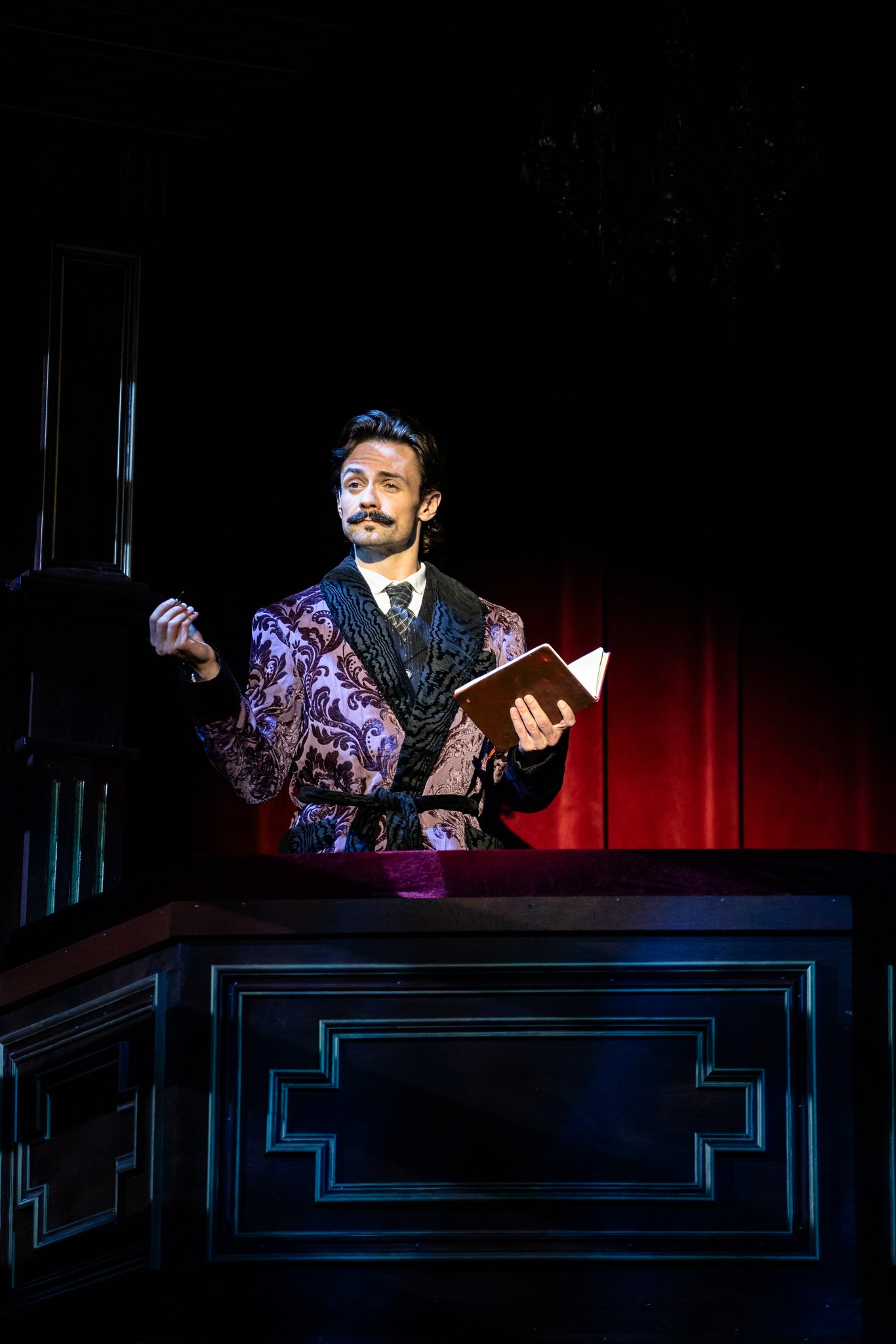
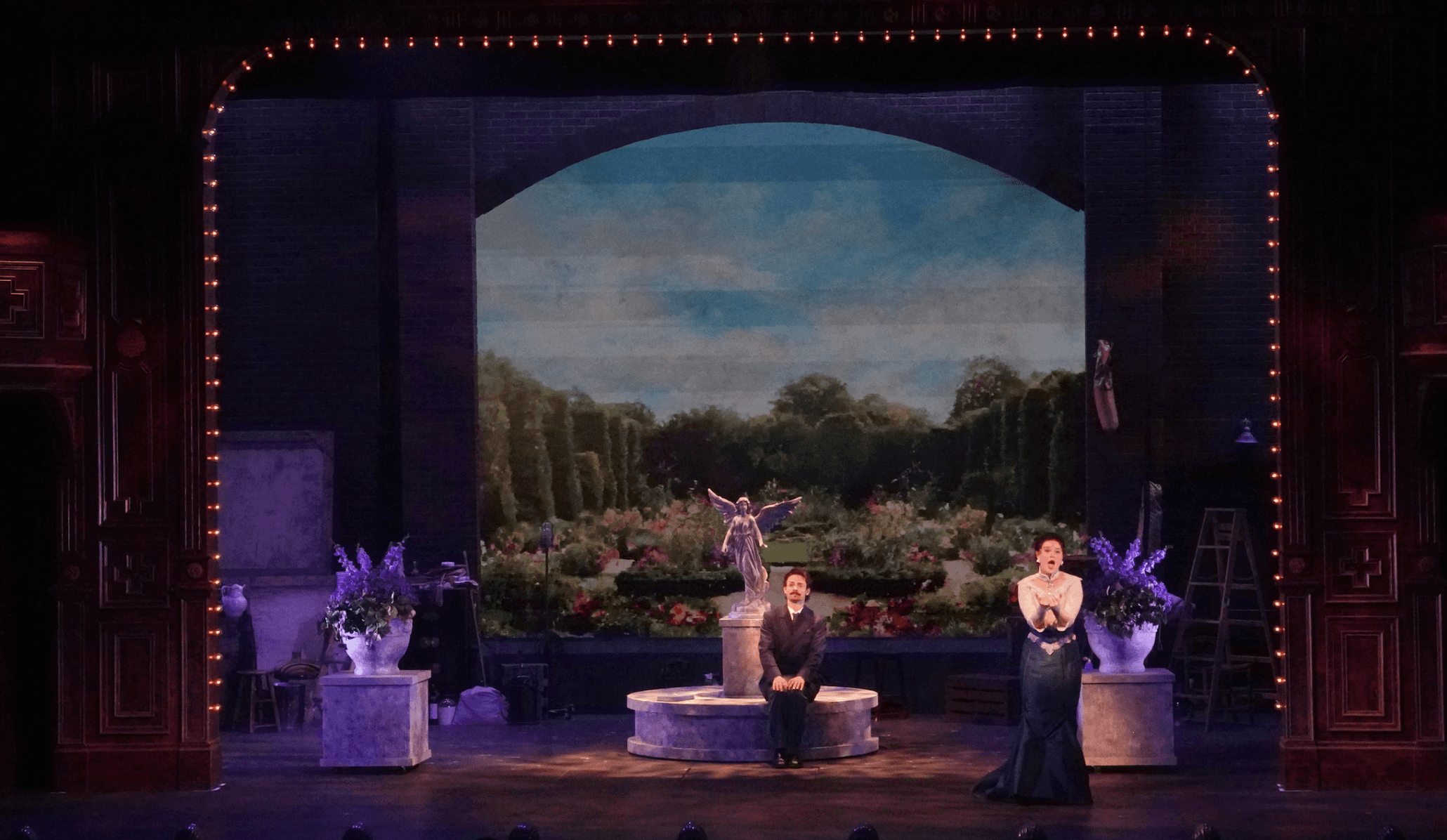
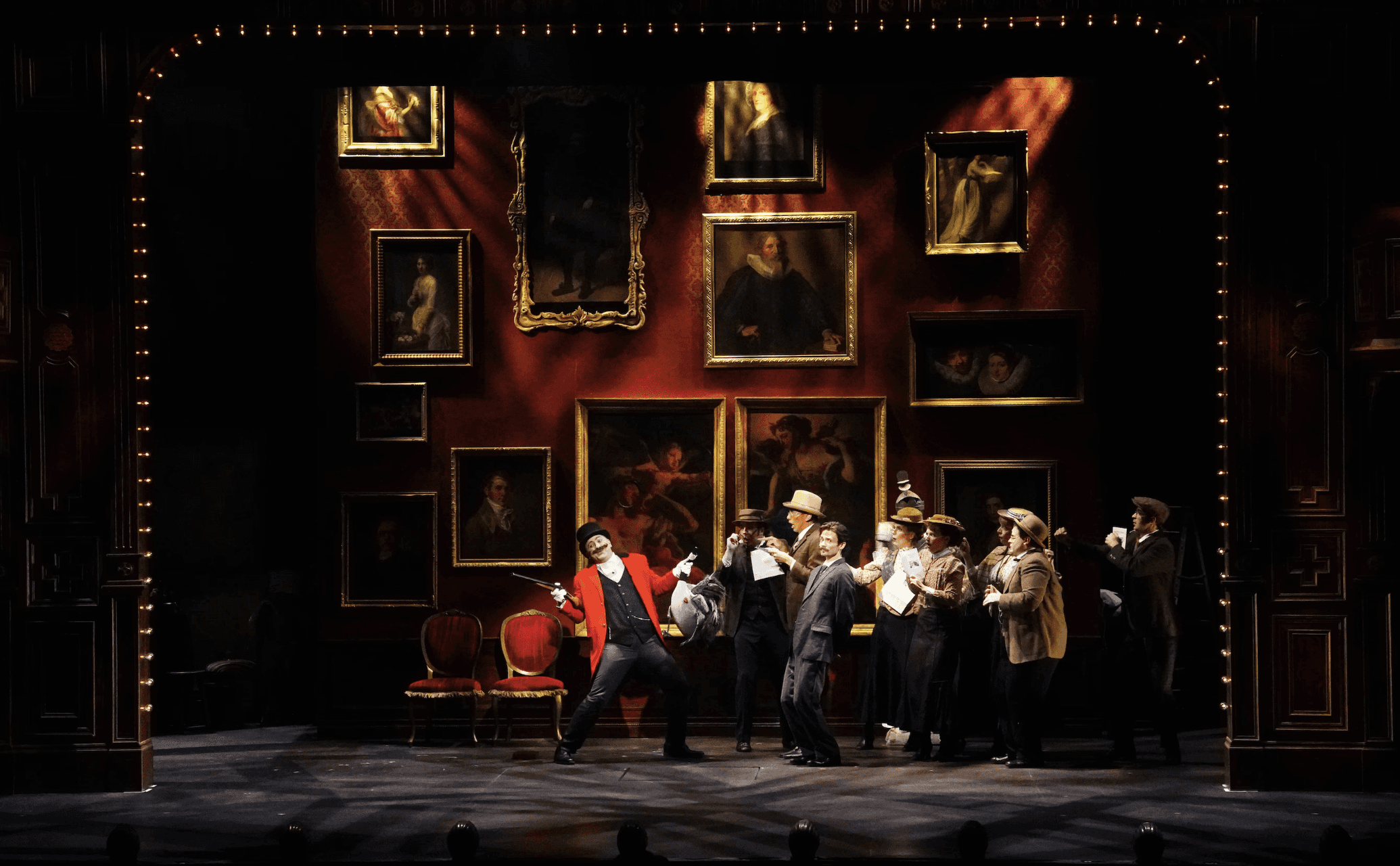
Blending opulence and whimsy, this design reflected the charm of the Edwardian era while amplifying the show's dark comedy. It captured the essence of an Edwardian Music Hall through a period false proscenium adorned with opera boxes, inviting the audience into a world of theatricality and spectacle, while consistently reminding them that they are watching a performance and not everything is to be trusted.
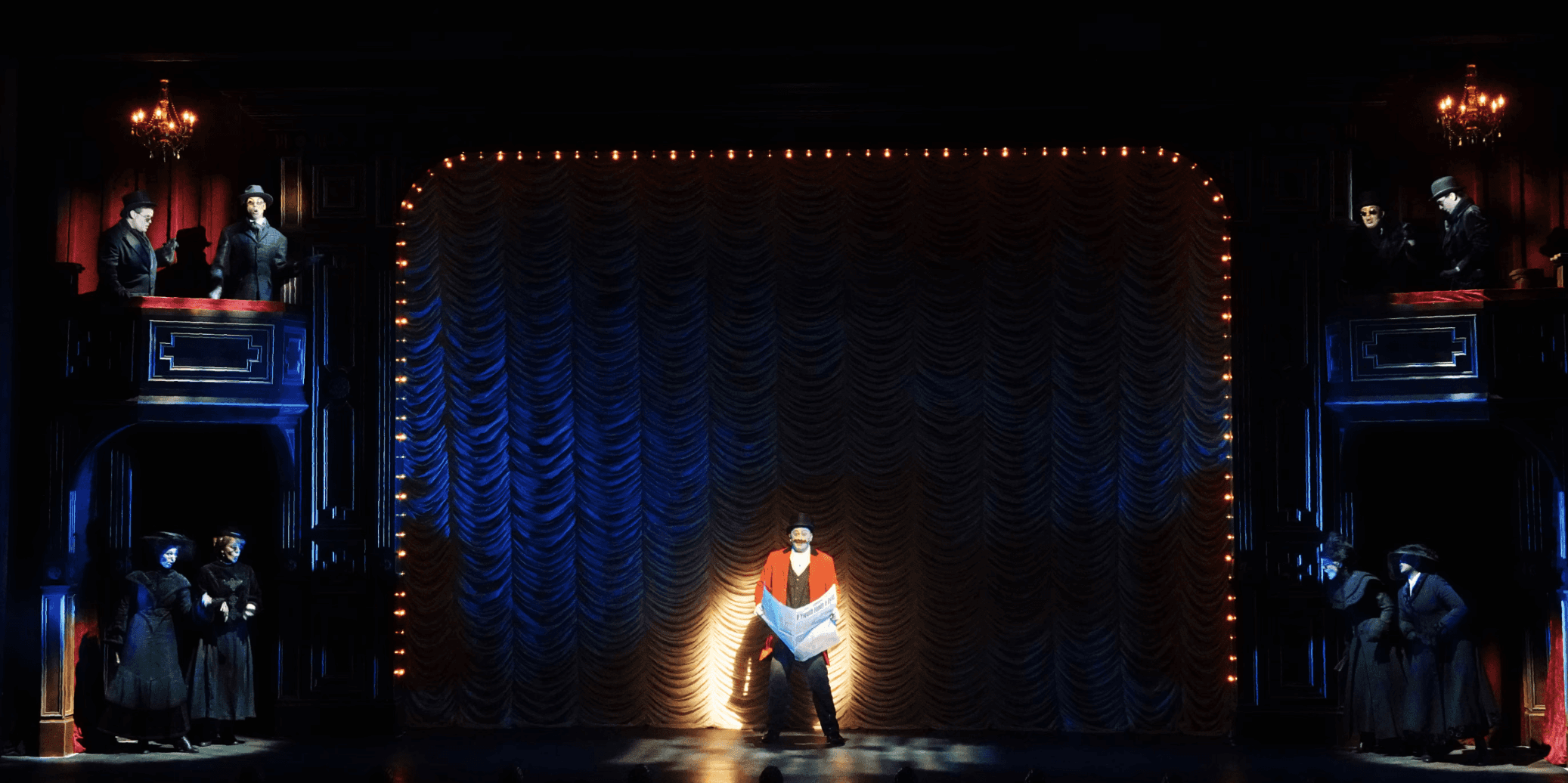
“Christian Fleming’s scenic design on the musical hall stage-within-a-stage is forever attention-grabbing with its quick set changes and its dazzling color” — Broadwayworld Phoenix
A Gentleman's Guide to Love and Miurder
,
Arizona Broadway Theatre
,
Danny Gorman, dir.
Blending opulence and whimsy, this design reflected the charm of the Edwardian era while amplifying the show's dark comedy. It captured the essence of an Edwardian Music Hall through a period false proscenium adorned with opera boxes, inviting the audience into a world of theatricality and spectacle, while consistently reminding them that they are watching a performance and not everything is to be trusted.
“Christian Fleming’s scenic design on the musical hall stage-within-a-stage is forever attention-grabbing with its quick set changes and its dazzling color” — Broadwayworld Phoenix
Flawless
,
Penguin Rep
,
Joe Brancato, dir.
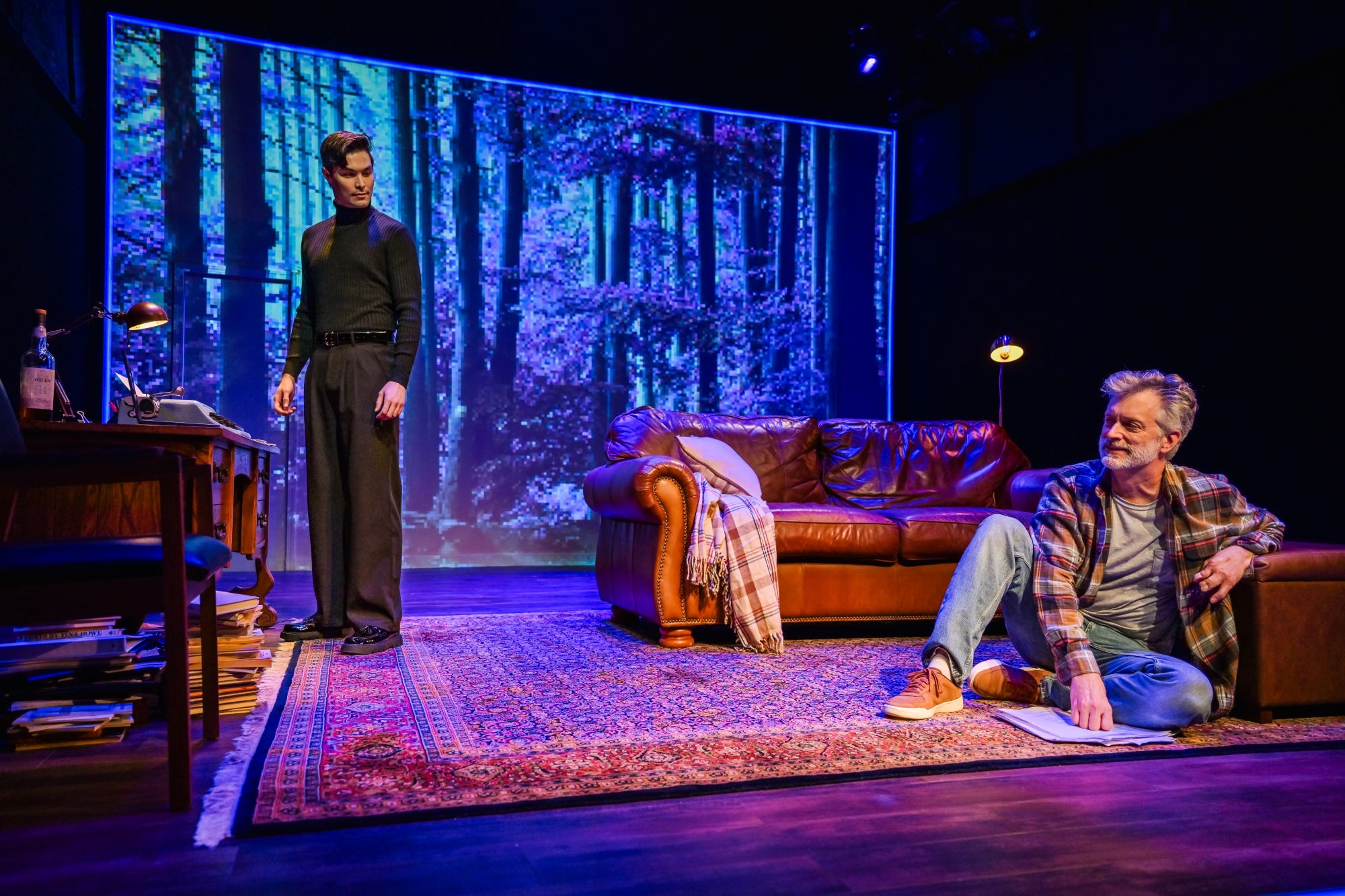
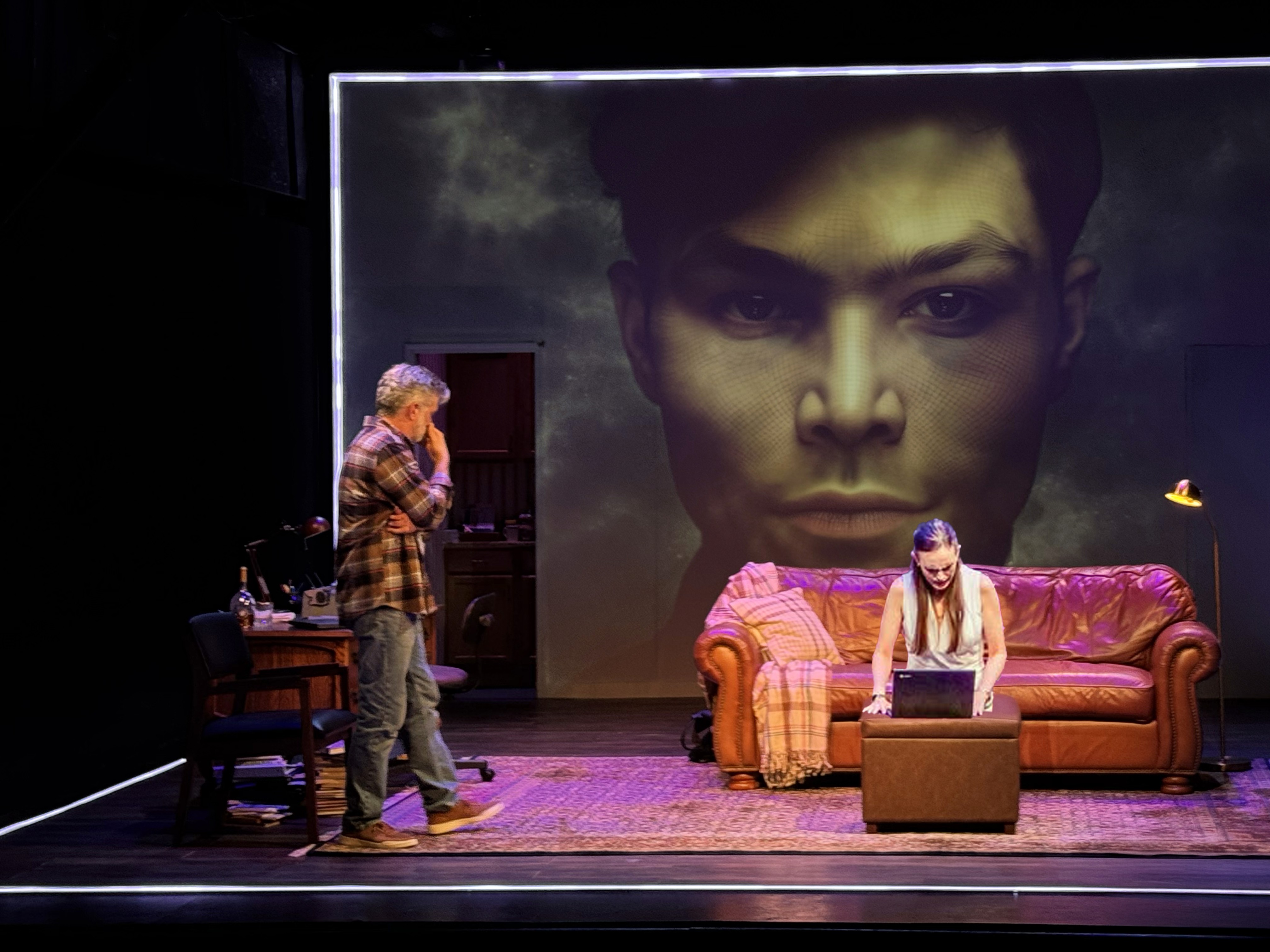
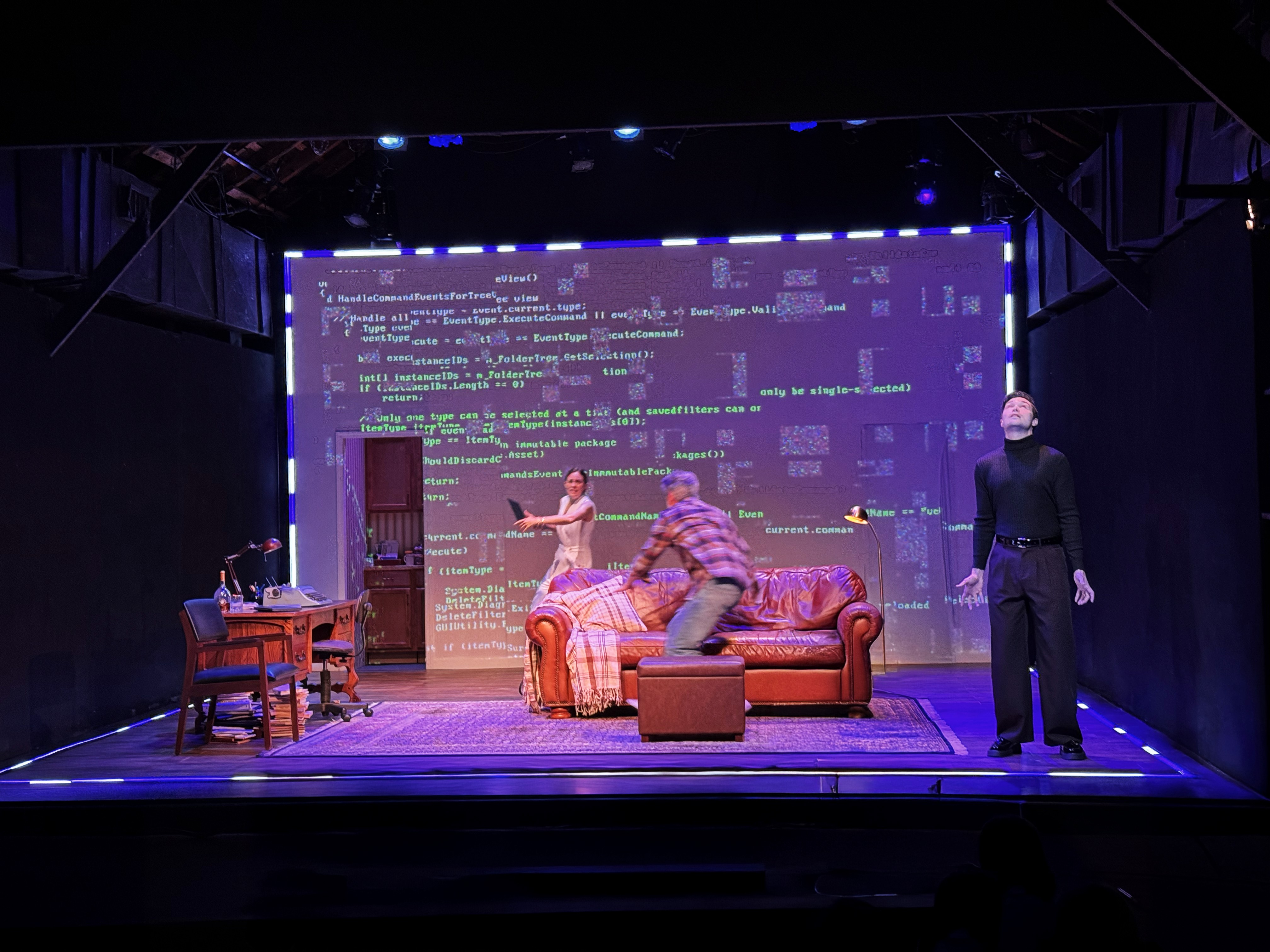
The scenic design for Flawless transforms Frank’s off-the-grid refuge into a haunting meditation on authorship and control in the age of AI. As technology seeps into his secluded world, the cabin expands into a colossal laptop—suggesting that no space, physical or creative, is beyond the reach of the machine. The design embodies the play’s unease: when AI can mimic our imagination and monitor our every move, will it ultimately replace the human storyteller altogether?
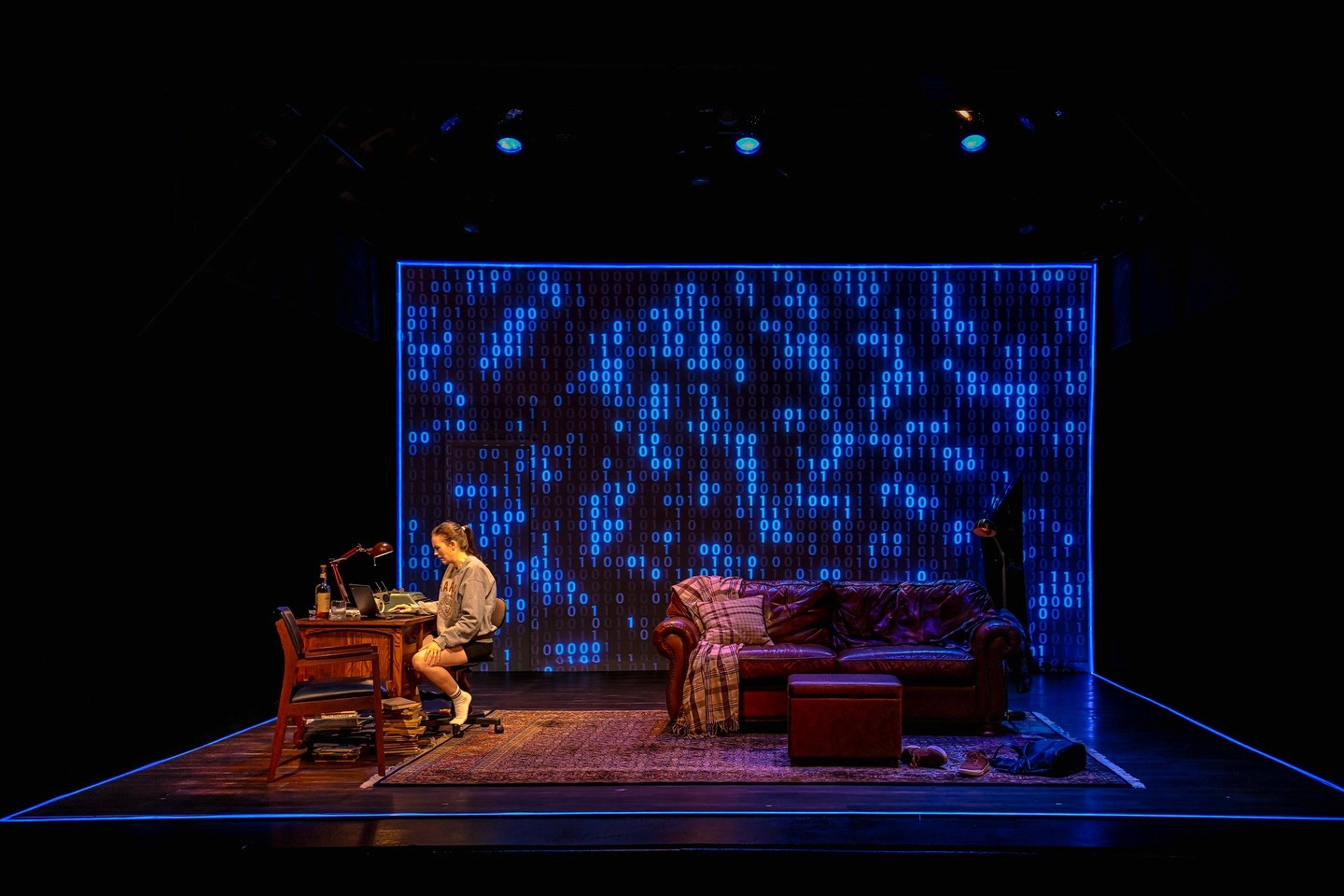
"They navigate Christian Fleming’s spectacular set. Fleming and lighting designer Martin Vreeland create two stage illusions worthy of note, managing one character’s seamless entrances and exits, and rendering the entire set into a laptop with a simple band of light." - Peter Kramer, Substack
Flawless
,
Penguin Rep
,
Joe Brancato, dir.
The scenic design for Flawless transforms Frank’s off-the-grid refuge into a haunting meditation on authorship and control in the age of AI. As technology seeps into his secluded world, the cabin expands into a colossal laptop—suggesting that no space, physical or creative, is beyond the reach of the machine. The design embodies the play’s unease: when AI can mimic our imagination and monitor our every move, will it ultimately replace the human storyteller altogether?
"They navigate Christian Fleming’s spectacular set. Fleming and lighting designer Martin Vreeland create two stage illusions worthy of note, managing one character’s seamless entrances and exits, and rendering the entire set into a laptop with a simple band of light." - Peter Kramer, Substack
Newsies
,
The Argyle Theatre
,
Tommy Ranieri, dir.
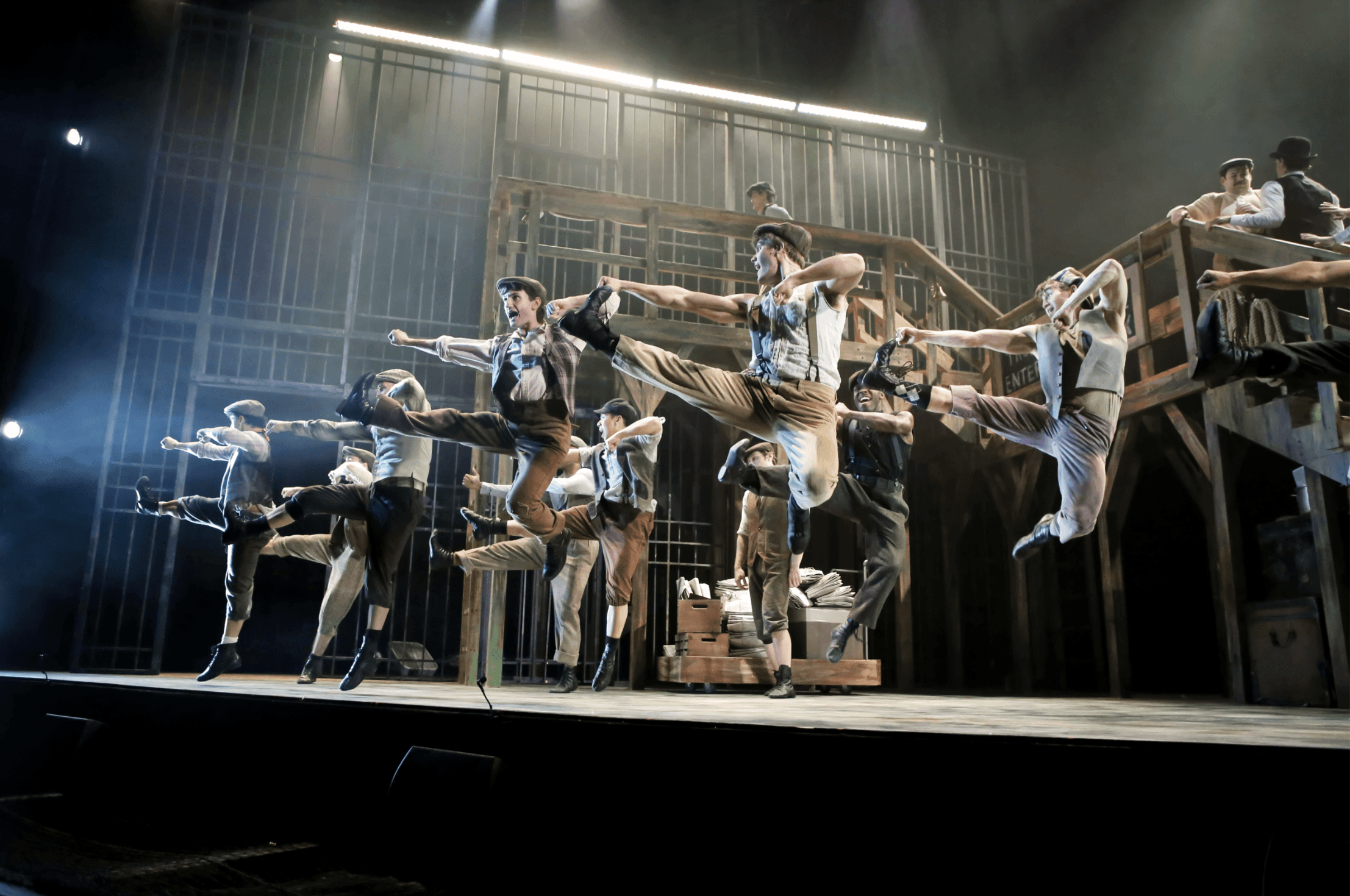
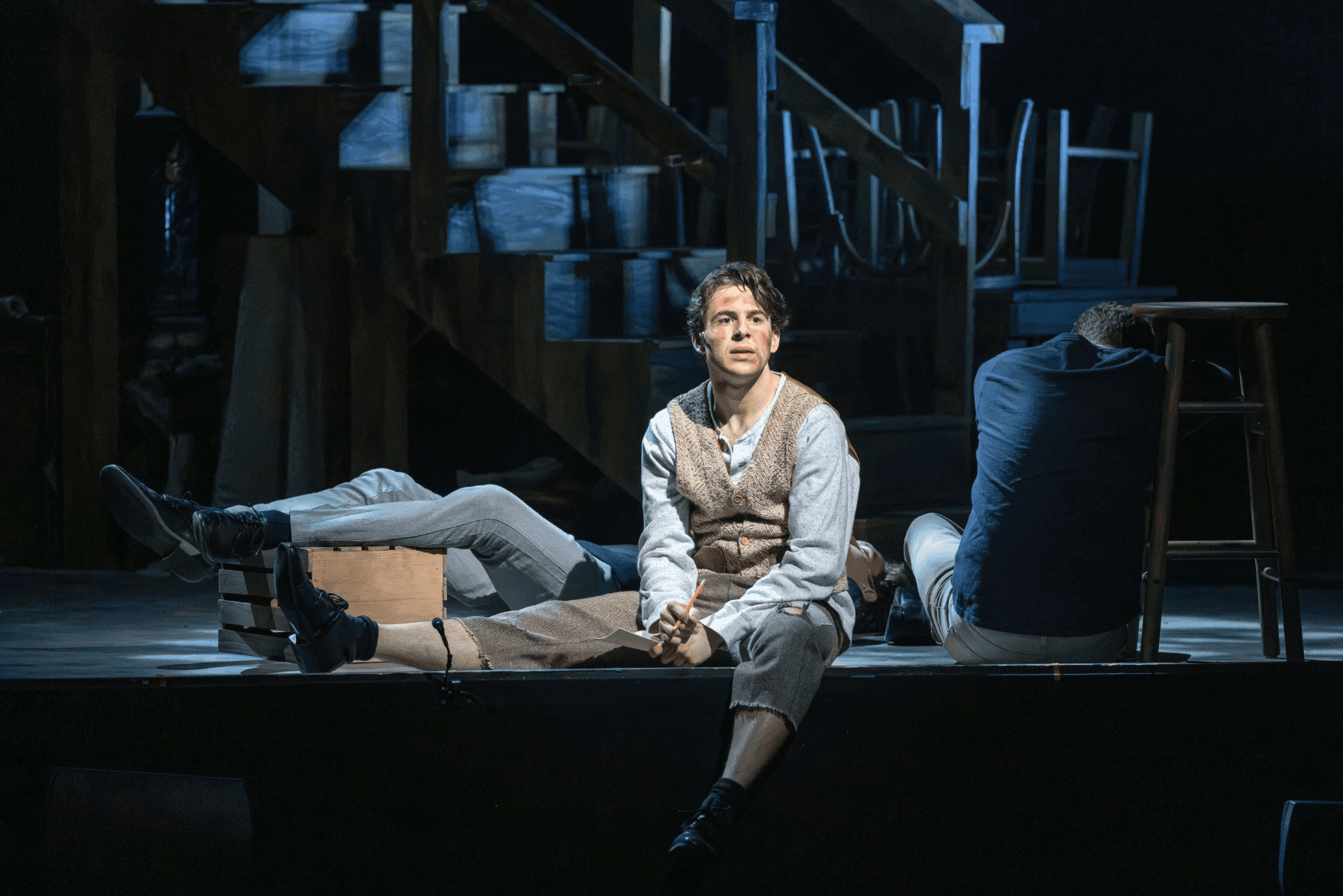
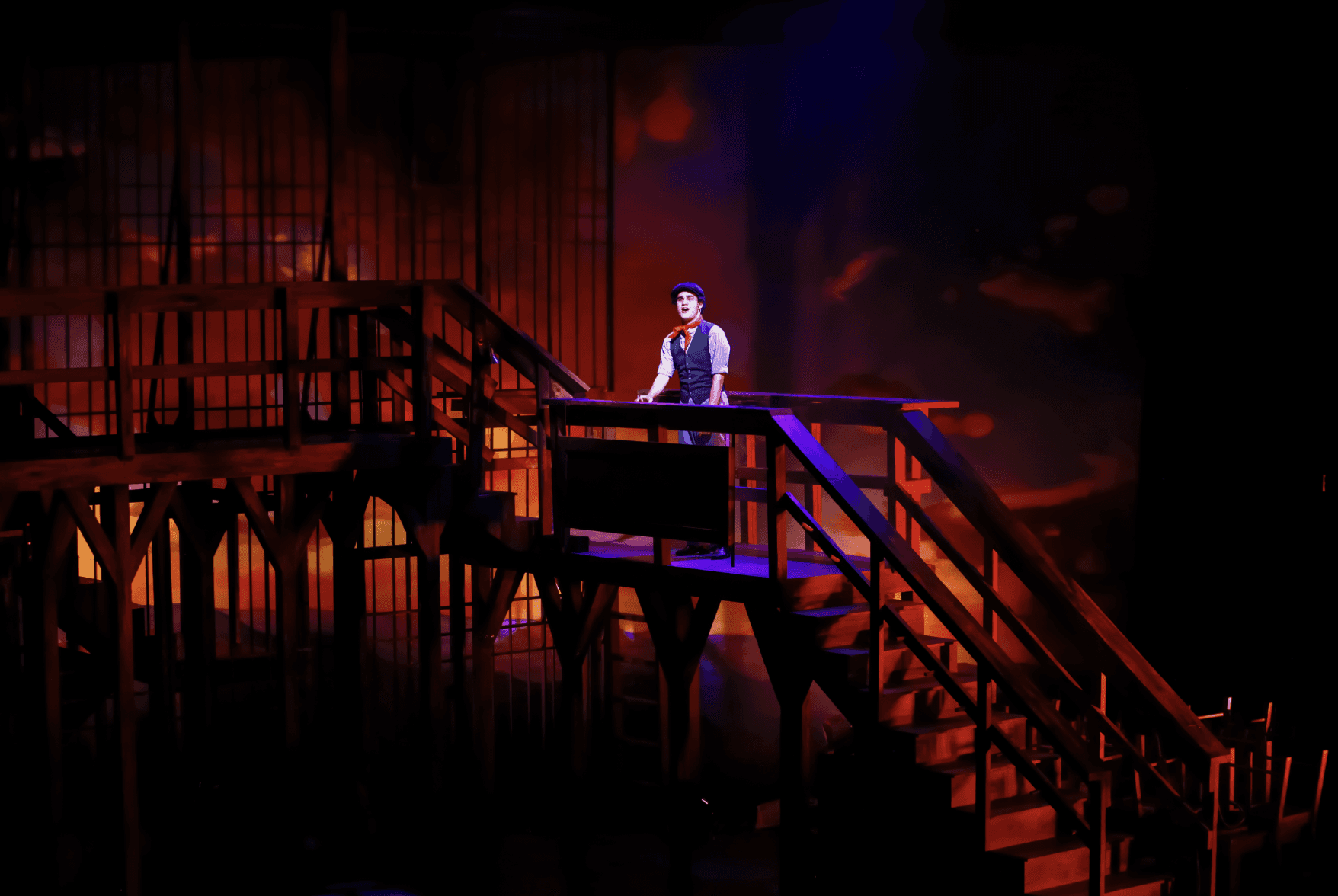
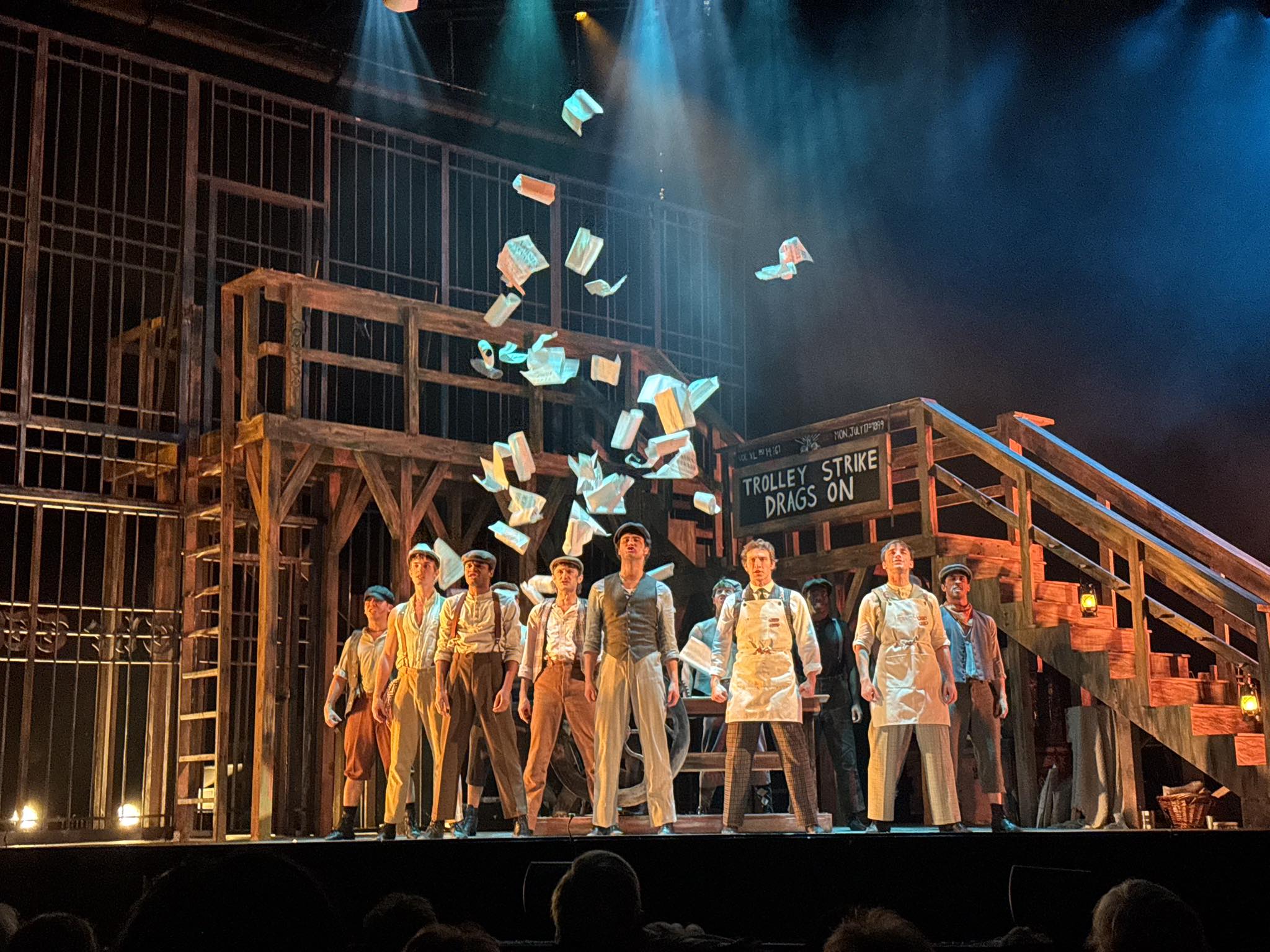
"Victorious in accomplishing a nuanced and stunning creation of this world was Scenic Designer, Christian Fleming. With a floor-to-ceiling gate and a daunting staircase, Fleming’s canvas of a place where overreach is the default was apparent and cast members were able to further that visualization with their staggered steps and pounding on the metal that both protected their enemies and decided when the newsboys were allowed to take their crumbs." - Broadwayworld
Director | Tommy Ranieri, Choreographer | Trent Soyster, Associate Choreographer | Rhagan Carter, Music Director | Jonathan Brenner, Lighting Design | Cameron Filepas, Sound Design | Kimberly O’Loughlin, Costume Design | Amanda Scanze, Wig and Makeup Design | Holly Romero, Technical Director | Pat Downes, Production Manager / Prop Design | Callie Hester, Scenic Art | Christie Nauheimer, Colin O’Leary
Newsies
,
The Argyle Theatre
,
Tommy Ranieri, dir.
"Victorious in accomplishing a nuanced and stunning creation of this world was Scenic Designer, Christian Fleming. With a floor-to-ceiling gate and a daunting staircase, Fleming’s canvas of a place where overreach is the default was apparent and cast members were able to further that visualization with their staggered steps and pounding on the metal that both protected their enemies and decided when the newsboys were allowed to take their crumbs." - Broadwayworld
Director | Tommy Ranieri, Choreographer | Trent Soyster, Associate Choreographer | Rhagan Carter, Music Director | Jonathan Brenner, Lighting Design | Cameron Filepas, Sound Design | Kimberly O’Loughlin, Costume Design | Amanda Scanze, Wig and Makeup Design | Holly Romero, Technical Director | Pat Downes, Production Manager / Prop Design | Callie Hester, Scenic Art | Christie Nauheimer, Colin O’Leary